
The Lloyd Center Revival: Mall Walking Finds a New Rhythm
“I’m having the time of my life, and I’ll be 81 in two months,” says Leslie Kelinson, a regular participant in a growing movement that is reclaiming the suburban corridors of the Pacific Northwest. While the retail landscape has shifted dramatically since the heyday of the 1990s, the Lloyd Center in Portland, Oregon, has found an unlikely second act as a hub for community fitness. Krista Catwood of the Food Court 5000 walking group, has turned the quiet halls of the mall into a weekly destination for three and a half miles of power walking, as reported by FOX 8.
The group meets every Sunday morning, a deliberate nod to a time when malls served as the primary town square for American social life. Participants arrive in a uniform of spandex, windbreakers, and scrunchies, purposefully recreating the aesthetic of the late 20th century. For Catwood, the initiative began as a search for a social, active outlet that didn’t feel like a chore. What started as a personal experiment in movement quickly evolved into a local phenomenon.
From Retail Hub to Community Commons
The transition of malls from high-traffic shopping centers to centers for social and physical activity is a trend that urban planners have observed across the United States. As noted by the Centers for Disease Control and Prevention, consistent moderate-intensity physical activity is essential for long-term health, particularly for aging populations. The Lloyd Center environment provides a climate-controlled, accessible space that removes the barriers of uneven terrain or inclement weather, which are common obstacles for outdoor exercise in the Pacific Northwest.
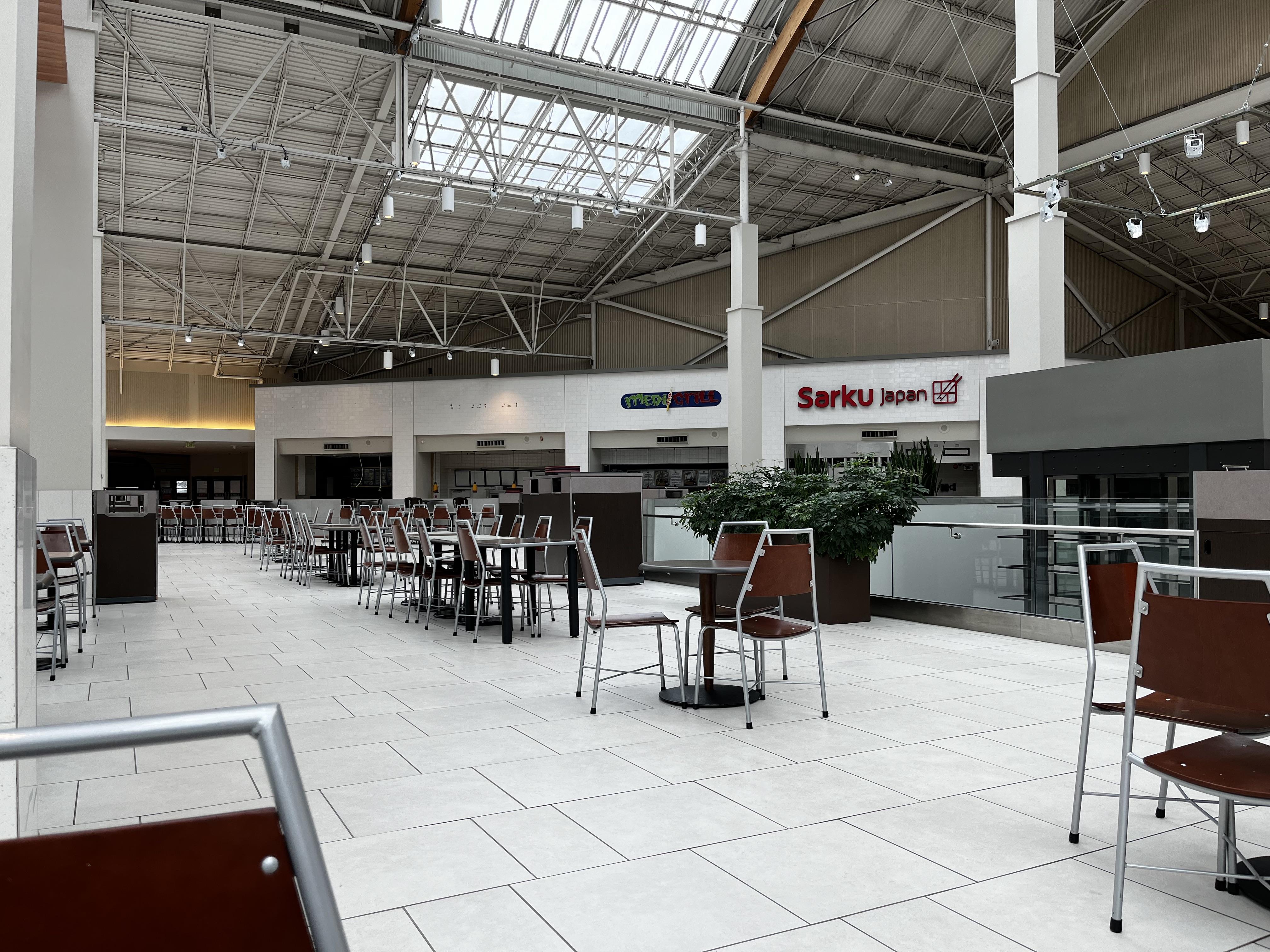
“We’ve become sort of B-celebrities of the mall,” Catwood said. “I think most people that come here kind of know who we are.”
The success of the Food Court 5000 suggests that the value of the physical mall may lie less in its ability to move inventory and more in its capacity to foster human connection. Kelinson describes the two-hour sessions as both “fun” and “inspiring,” highlighting that the social structure of the group is as significant as the aerobic benefit. The inclusivity of the group has allowed it to grow beyond Catwood’s initial expectations, proving that there is a persistent demand for low-barrier, community-driven exercise spaces.
The Economic and Social Stakes
For many, the “mall walker” phenomenon is a nostalgic return to the era of the indoor promenade. However, it also highlights a shift in how commercial real estate must adapt to survive in an era dominated by e-commerce. As retail tenants vacate traditional spaces, property managers are increasingly looking to community groups to maintain foot traffic and building utility. This shift is not without its detractors; some economists argue that repurposing commercial space for non-revenue-generating activities like walking clubs is a sign of a struggling retail sector that has failed to pivot to modern consumer demands.
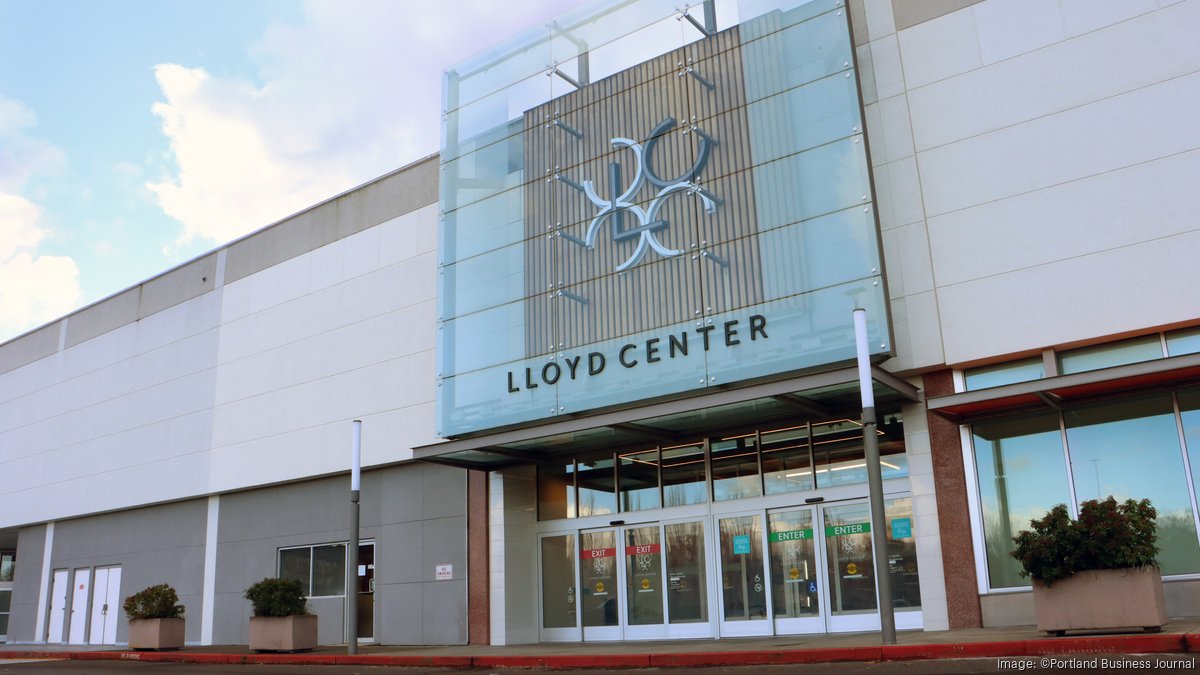
Despite these criticisms, the data suggests that physical activity in public spaces contributes to broader community well-being. According to the National Park Service, which oversees public access to recreational infrastructure, the availability of safe, indoor walking environments is a key metric in evaluating the livability of urban neighborhoods. By utilizing existing infrastructure rather than constructing new facilities, groups like the Food Court 5000 demonstrate a pragmatic approach to local health engagement.
As the Lloyd Center continues to evolve, the Food Court 5000 remains a fixture of the Sunday morning routine. For the members, the motivation remains simple: the energy of the group, the shared aesthetic of the ’90s, and the tangible health benefits of a weekly three-and-a-half-mile trek. Whether this model can be replicated in other struggling malls remains to be seen, but for now, the residents of Portland have found a way to turn a slice of retail history into a modern health solution.
Worth a look

Wichita School District Cancels Annual Magnet Choices Fair
Wichita Public Schools Ends Annual Choices Fair For more than two decades, the Wichita school district’s annual Choices...

IUP Cross Country Teams Set to Compete in 2026 PSAC Championships
IUP Crimson Hawks Head to Bloomsburg for 2026 PSAC Championships The Indiana University of Pennsylvania (IUP) cross country...

Carroll Men’s Basketball Heads to Idaho for Taco Bell Shootout
Carroll College Heads to Caldwell for Taco Bell Shootout The Carroll College men’s basketball team is heading into...

FHSAA Partners With Acuity Brands Lighting to Enhance Florida Schools
FHSAA and Acuity Brands Lighting Form Statewide Partnership The Florida High School Athletic Association (FHSAA) officially announced a...