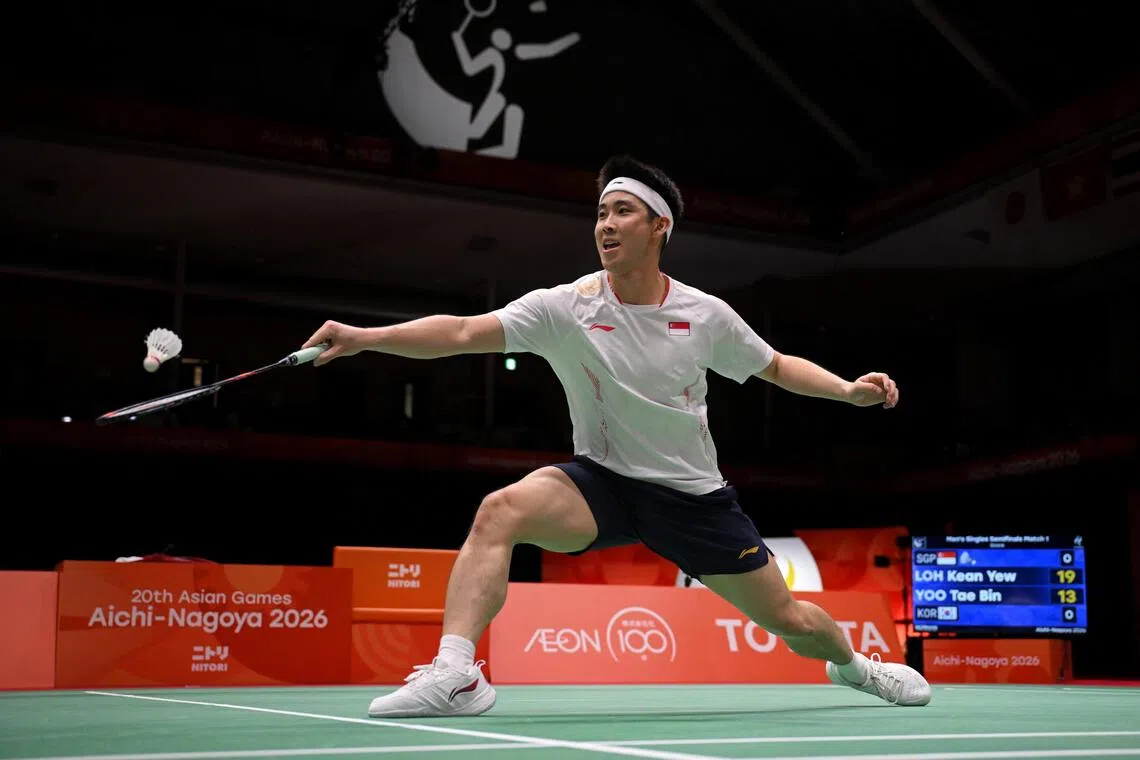
Singaporean shuttler Loh Kean Yew secured a historic silver medal at the Asian Games on September 29, 2026, after falling to world No. 1 Kunlavut Vitidsarn in the men’s singles final. Simultaneously, the Public Transport Council announced a 7% fare increase effective December 26, driven by surging Middle East energy costs.
Loh Kean Yew’s Historic Asiad Run Ends With Silver Against Kunlavut Vitidsarn
Stepping onto the court in Aichi Prefecture, Japan, Singaporean shuttler Loh Kean Yew became the first Singaporean to win a silver medal at the Asian Games badminton men’s singles event. The 29-year-old fell to Thailand’s Kunlavut Vitidsarn in the final on September 29, 2026, losing the match with scores of 21-12 and 21-16. Going into the match, Kunlavut held an 8-2 head-to-head record against Loh.
Unseeded at the Games, Loh forged a breakthrough path to the final. His campaign featured victories over India’s Lakshya Sen and Malaysia’s Justin Hoh before he snapped a 10-match winless streak against Indonesia’s Jonatan Christie in the quarter-finals. That win guaranteed Singapore its first Asian Games badminton medal in 20 years, following the women’s team bronze at the 2006 Doha Games.
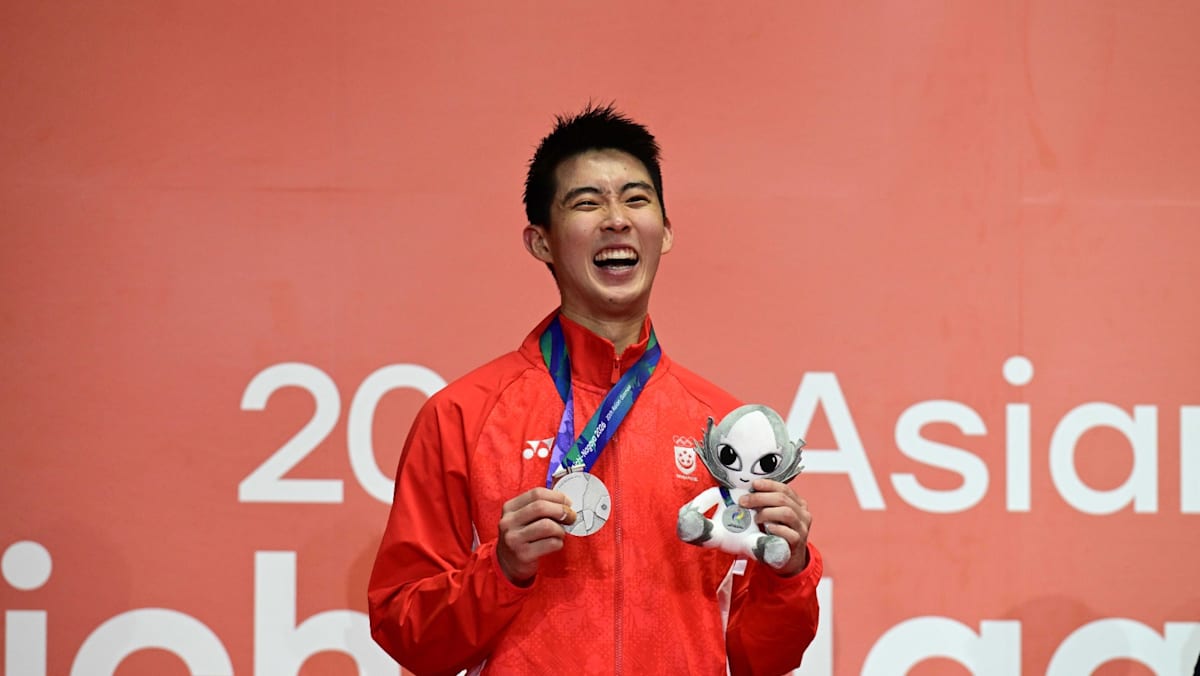
“Not getting a gold medal is obviously a sad thing, but overall, I think I played well. And to be able to create history for Singapore is an achievement as well.”
Loh Kean Yew, Singaporean shuttler
Meanwhile, Kunlavut became the first Thai player to win an Asian Games men’s singles gold.
Public Transport Fares Rise by 7% Amid Middle East Energy Pressures
While athletes competed in Nagoya, commuters in Singapore faced a significant domestic announcement. The Public Transport Council approved a 7% fare increase taking effect on December 26, 2026. Adult commuters will pay 12 or 13 cents more per bus and train journey, marking the largest fare hike to date and exceeding the adjustments seen in the 2023 review.
Seniors, students, and commuters using a Persons with Disabilities card will see increases of 5 cents per trip. Cash-paying adults face a 20-cent jump, while concession cash payers will pay 10 cents extra. However, fares for low-wage workers under the Workfare Transport Concession scheme will remain unchanged, alongside monthly travel passes staying fixed at $122 for adults and $55 for seniors and disabled commuters.
Energy Market Disruptions Drive the Formula Output
Public Transport Council chairperson Janet Ang explained that the adjustment stems directly from global market shifts.
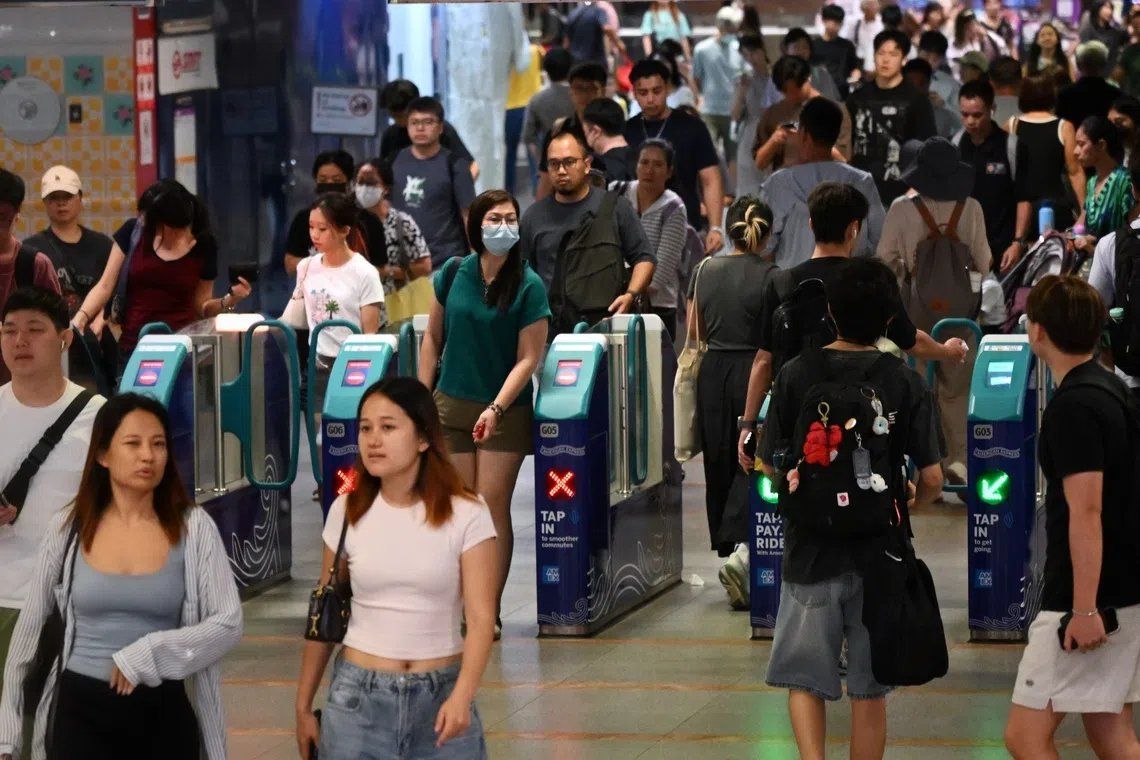
“We recognise that it’s a difficult and challenging environment for everyone, but… public transport is a very energy-intensive industry.”
Janet Ang, Public Transport Council Chairperson
The council noted that the allowable maximum hike was actually 14.7%.
Voucher Expansion and Affordability Safeguards
To mitigate the impact on lower-income households, Public Transport Vouchers will increase in value from $60 to $80. Eligibility criteria have expanded, widening qualification to households with a per capita income of $2,100 instead of the previous $1,800 threshold, bringing roughly 60,000 additional households into eligibility.
| Commuter Group | Card Fare Adjustment | Monthly Pass Price |
|---|---|---|
| Adults | Up to 12c–13c increase | $122 (unchanged) |
| Seniors, Students, Disabled | 5c increase | $55 (unchanged) |
| Low-Wage Workfare Concession | No change | Unchanged |
The council emphasized that the proportion of household income spent on public transport has held steady at 2.4% for lower-income households and 1.7% for average-income households. While monthly pass sales have more than doubled from 56,000 in 2023 to 126,000 this year, regulators continue to monitor long-term financial sustainability against volatile global energy markets.
Keep reading

Dwayne Johnson Announces Portia Woodman-Wickliffe Documentary
Hollywood superstar Dwayne Johnson announced his Seven Bucks Productions company is developing Undeniable: Portia Woodman, a documentary profiling...

Mayo GAA Orders Refixture of Kiltane and Islandeady Quarter-Final
Mayo GAA has ordered a full refixture of an intermediate championship quarter-final after Kiltane defeated Islandeady 0-27 to...

Dan Titus Releases Top 250 Fantasy Basketball Rankings for 2026-27
Draft season for 9-category fantasy basketball is underway for 2026-27, with analysts debuting comprehensive top-250 player rankings featuring...
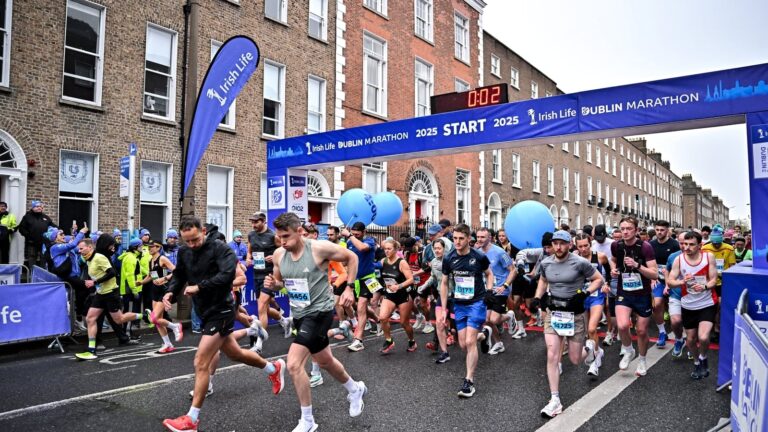
Dublin Marathon Increases Entry Fee to €130 Due to Rising Costs
The Irish Life Dublin Marathon will increase its entry fee from €110 to €130 for next year's race,...