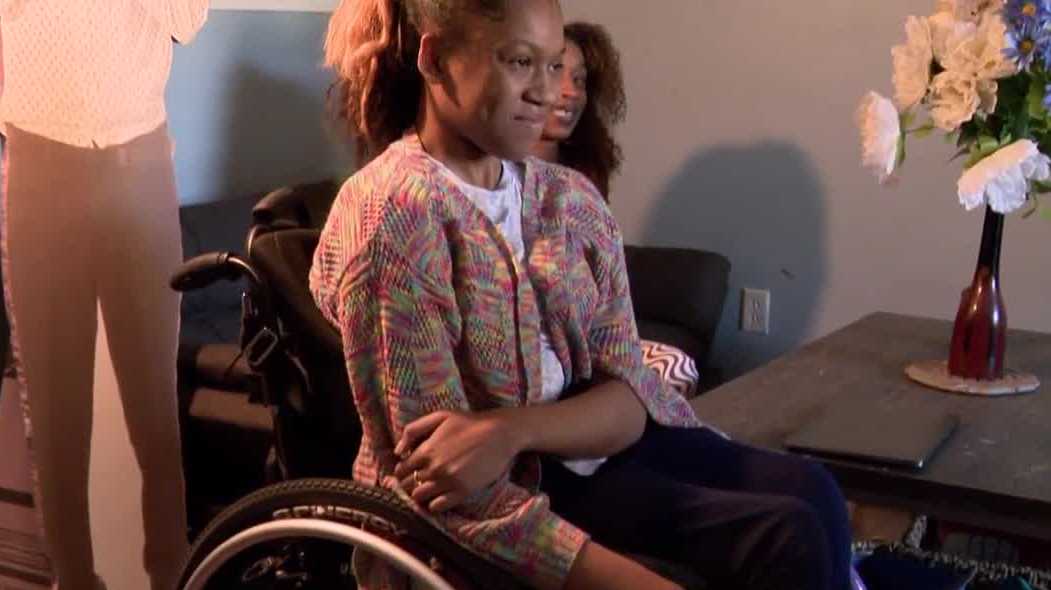
“It was just shocking to kind of know that it was missing,” Brittney Harbin said.
On the morning of November 6, Harbin stepped outside her Louisville home to assist her 17-year-old daughter, Cerenity, in boarding the school bus, only to find the wheelchair ramp that provided their primary access to the house gone. As reported by WLKY, the theft has left the family scrambling to restore a fundamental necessity for Cerenity’s daily life.
For a household already managing the complexities of disability and the weight of recent tragedy, the loss of the ramp is more than an inconvenience; it is a profound disruption of their autonomy.
Cerenity, who uses a wheelchair and is preparing for upcoming spinal surgery, now faces the daily physical strain of her mother having to lift the chair over the steps. The ramp was not merely a convenience—it was the bridge between their home and the outside world.
This incident is not an isolated event for the Harbin family. According to Brittney Harbin, the home was targeted last summer when intruders breached their garage, stealing electric bikes, exercise equipment, and personal belongings that held deep sentimental value—items that belonged to her late husband, who passed away from stomach cancer last year.
The recurrence of these thefts has moved beyond a simple property crime, leaving the family feeling specifically targeted.
“It makes us feel vulnerable. I feel like it kind of makes me feel like I’m being targeted,” Brittney Harbin told WLKY. The intersection of grieving a spouse and attempting to maintain a secure environment for a child with mobility needs creates a compounding stress that is difficult to quantify.
For families managing chronic health conditions or disabilities, the home is intended to be a sanctuary, a controlled environment where the challenges of the outside world are mitigated by accessibility and safety.
The economic and logistical impact of such thefts is often overlooked in broader discussions about crime. While a ramp may be viewed as a piece of equipment, its absence forces a household into an immediate crisis of mobility.
For a high school senior like Cerenity, whose interests lie in art and animation, the ability to attend school and participate in her community is essential. The family is now forced to prioritize the installation of a more permanent, secure structure while simultaneously managing the medical preparations for her spine surgery.
The Americans with Disabilities Act provides a framework for public accessibility, yet private residential modifications often lack security for many families. When essential mobility aids are stolen, the burden of replacement falls squarely on those least equipped to absorb the cost. The Harbins have turned to community support, launching a GoFundMe page to assist with the costs of a replacement ramp.
Local law enforcement is currently investigating the incident. The Louisville Metro Police Department has requested that anyone with video footage or relevant information regarding the theft contact their anonymous tip line at (502) 574-LMPD. As the investigation continues, the family remains focused on the immediate task of restoring their home’s accessibility.
“We’ve been put in a vulnerable situation, and I feel like we should feel safe in our home,” Brittney Harbin said. As the community responds to their call for help, the family’s experience shows how quickly a functioning household can struggle to maintain its most basic operations.
Related reading

Missouri Rejects Medicaid Work Requirement Hardship Exceptions Amid National Shift
Missouri Opts Out of Medicaid Hardship Protections Starting January 1, Missouri will implement new federal Medicaid work requirements...

FBI Investigates Former Baltimore School Board Member Over Healthcare Fraud and Kickback Allegations
The FBI searched a Baltimore-area office linked to former school board member Mujahid Muhammad on September 30, indicating...

Connecticut Ranks Sixth in Nation for Tort Costs, Study Says
Connecticut families are quietly paying a premium for the state’s legal environment, and the bill is steeper than...

Spurs Aim to Extend Winning Streak Against Suns in Phoenix
The San Antonio Spurs enter Phoenix tonight carrying an eight-game winning streak, looking to extend their most successful...