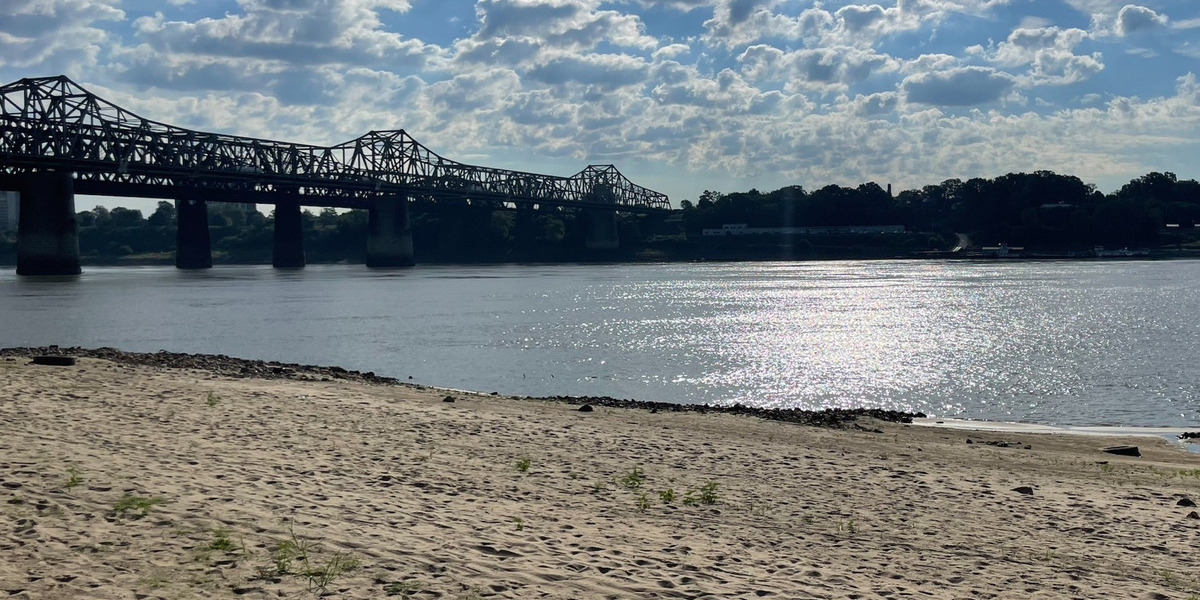
The Mississippi River, a lifeline for U.S. agriculture, is once again revealing its power to shape the economic fate of farmers—and the price of grain. As the harvest winds down, low water levels are tightening the screws on grain shipping costs, with Southern states bearing the brunt of the strain. The river at Memphis, a key shipping hub, is currently at -1 foot, a level expected to drop to -8 feet by November 12, according to the National Water Prediction Service. For corn and soybean producers in Arkansas, Louisiana, Kentucky, and Tennessee, this means a double whammy: higher transportation costs and weaker local cash prices, as a new study from the Arkansas Agricultural Experiment Station underscores.
“The timing of the current low water levels is particularly concerning,” said Yuan Zhang, a post‑doctoral fellow with the department of agricultural economics and agribusiness and the Fryar Price Risk Management Center of Excellence. “With large volumes of newly harvested grain entering the market, transportation demand is already high. Low river levels can further constrain barge capacity and increase shipping costs, putting additional downward pressure on local grain basis,” he added. The study, published in Southern Ag Today, found that a $1‑per‑bushel increase in barge freight rates translates to 60–71 cents in reduced corn basis and 49–53 cents in lower soybean basis in the most exposed regions. For farmers already grappling with volatile markets, these numbers aren’t just abstract—they’re a direct hit to their bottom line.
The River’s Double‑Edged Sword
The Mississippi River isn’t just a waterway; it’s a critical export corridor for U.S. agriculture. A substantial share of Midwest corn and soybean exports move via barge through its system.
Eunchun Park, an assistant professor with the department of agricultural economics and agribusiness, noted that farmers in Southern states are particularly vulnerable because they rely heavily on river transport to get their crops to market.
Who’s Paying the Price?
In counties like Crittenden, Arkansas, or Ouachita, Louisiana, farmers have limited alternatives to barge shipping on the Mississippi River. Southern Ag Today noted that in these areas, more than half of a barge rate increase reaches the farmgate as weaker basis.
The Road Ahead: Adapting to a New Reality
The study’s authors stress that farmers and policymakers must treat low river levels as a recurring risk, not an isolated event. “If low river levels become a persistent problem, transportation disruptions may need to be treated as a recurring source of price risk rather than occasional events,” Zhang said.
Keep reading

Understanding microclimates in South-Central Kentucky – WBKO
South-Central Kentucky Experiences a 20-Degree Temperature Split Due to Local Microclimates Foggy and cold weather in one pocket...

Billings eyes more parking at Amend Recreation Campus after busy weekend – KTVQ
“We knew that there was going to be crazy busy,” said Chris Martin, facility supervisor at the Amend...

New Mexico US Rep. Leger Fernández’s bill would require mining companies to pay royalties
New Mexico Rep. Leger Fernández Unveils Landmark Bill to Charge Mining Firms Royalties, Block Foreign Extraction U.S. Rep....

Cole County plans $1.3 million facility renovation – ABC17NEWS
Cole County is planning an approximate $1.3 million renovation of its emergency services building as officials continue exploring...