
New Mexico Rep. Leger Fernández Unveils Landmark Bill to Charge Mining Firms Royalties, Block Foreign Extraction
U.S. Rep. Teresa Leger Fernández (D-N.M.) on Thursday unveiled the American Minerals Royalty and Investment Act, a sweeping proposal to impose up to 10% royalties on hardrock mineral extraction from federal lands and bar foreign adversaries from mining critical minerals in the United States, sourcenm.com reported. The bill, announced with a video filmed in New Mexico’s Carson National Forest, targets companies extracting gold, silver, and uranium, which have operated under the 1872 General Mining Act without paying royalties—unlike oil, gas, and coal industries.
On Sunday, we celebrated Route 66 and lowrider culture en comunidad. The Route 66 National Historic Trail Designation Act and my National Lowrider Day resolution honor the people and traditions that make this culture part of New Mexico’s story. Let’s make them the law of the… pic.twitter.com/oF0H8o3vOs
The legislation would generate revenue to fund abandoned mine cleanup, support tribal and state communities, and build domestic critical mineral processing facilities. Leger Fernández emphasized that foreign firms, including Canadian uranium company Gamma Resources Ltd., currently exploit U.S. public lands without compensating taxpayers, a practice she called “insulting.” “It’s time the American people got their fair share,” she said in the video, which sourcenm.com described as a centerpiece of her campaign to modernize mineral policy.
The 1872 Law’s Legacy: A Century of Unpaid Extraction
For over 150 years, the General Mining Act of 1872 has allowed corporations to extract hardrock minerals from public lands without paying royalties, according to the congressional press release published by Leger Fernández’s office. This has resulted in an estimated $300 billion in untaxed mineral value, as noted by the National Parks Conservation Association. “Mining on national public lands is the Wild West—a largely unregulated practice that poses serious risks to shared lands, waters, and wildlife,” said Isabella Jaramillo of The Wilderness Society, which endorsed the bill.
The bill’s transition period for existing mining operations—no royalties for the first five years, half rate for the next five, and full rate after a decade—aims to ease compliance while ensuring long-term revenue. Environmental groups like Earthworks and Public Citizen highlighted that nearly 90,000 abandoned hardrock mine sites still pose health and environmental risks, with taxpayers bearing cleanup costs.
Foreign Mining Restrictions and Domestic Investment
The bill explicitly bans “foreign entities of concern,” named as China and Russia, from hardrock mining activities in the U.S. This provision aligns with broader national security concerns, as Leger Fernández argued that adversaries could exploit American minerals for strategic gain. “Why should China or Russia get our minerals—much less for free?” she asked in the video.
Funds from royalties would prioritize states, tribes, and abandoned mine remediation, while a new financial aid program would support domestic critical mineral processing facilities. Notably, the bill prohibits using these funds for coal or uranium processing, reflecting environmental and political priorities. “This legislation is a solid step toward providing a tangible return for those public minerals extracted,” said Charlie Olsen of the National Parks Conservation Association.
Opposition and Industry Concerns
While the bill has broad support from environmental groups and Democratic lawmakers, it faces pushback from mining industry advocates. The Canadian company Gamma Resources Ltd., which sought uranium mining permits in New Mexico, called its lack of outreach to local communities a “mistake” but vowed to improve transparency. “We should not let foreign mining corporations take our precious resources and not pay a dime,” Leger Fernández said, framing the bill as a bid to “invest in things that our public lands need.”
Rep. Jared Huffman (D-Calif.), the House Natural Resources Committee’s ranking member, co-sponsored the bill, alongside five other Democrats. However, critics argue that the royalties could stifle economic growth in mining-dependent regions. “The bill’s focus on foreign adversaries is commendable, but the lack of clarity on how royalties will be calculated could create legal ambiguities,” said a spokesperson for the National Mining Association, which did not directly comment on the legislation.
What’s Next for the Bill?
The American Minerals Royalty and Investment Act now moves to the House floor, where it will face scrutiny from both parties. Leger Fernández’s office emphasized that the bill’s focus on “domestic processing” and “clean energy supply chains” aligns with broader efforts to reduce reliance on foreign minerals. “We should use America’s mineral wealth to build America’s mineral future,” she said.
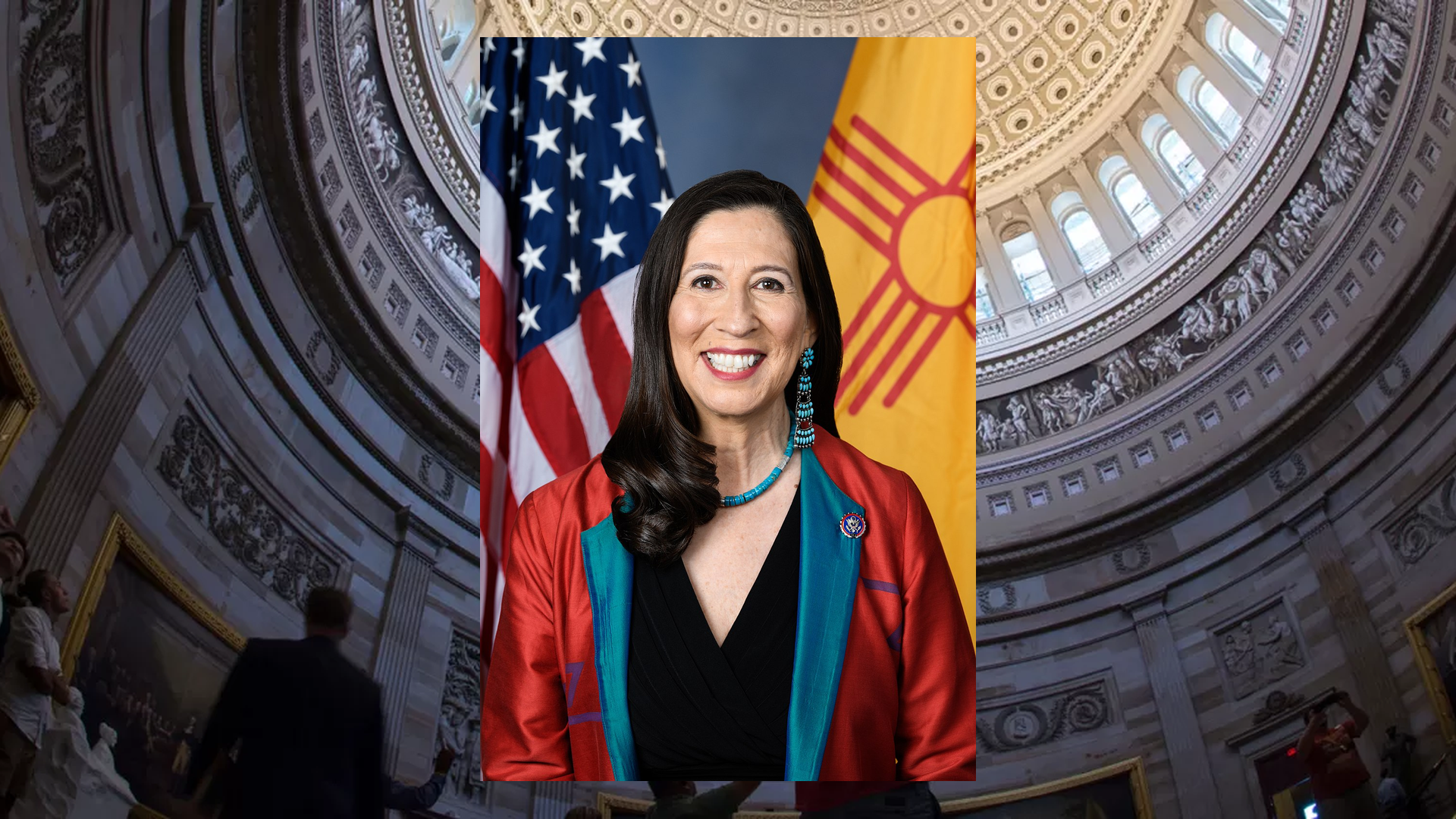
For New Mexico’s Chama Watershed, the bill’s passage could mean a permanent ban on uranium mining, a separate measure Leger Fernández and her colleagues have pushed. Local communities, already wary of Gamma Resources’ proposed uranium project, have called the legislation a “long-overdue fix” to a decades-old imbalance. “New Mexicans and American taxpayers continue to be on the hook for legacy hardrock mining cleanup,” said Mark Allison of New Mexico Wild.
As the 2026 election cycle intensifies, the bill also highlights Leger Fernández’s strategy to position herself as a leader on environmental and economic reform. Her fundraising disclosures show a $24,100 campaign war chest, with 95.9% coming from individual donors, according to QuiverQuant. The bill’s success could solidify her influence in a state where mining and conservation often clash.
“For over 150 years, the hardrock mining industry has extracted more than $300 billion worth of minerals from public lands without paying the American people their fair share,” said Charlie Olsen, Senior Policy Manager at the National Parks Conservation Association. “This legislation is a solid step toward providing a tangible return for those public minerals extracted.”
“Mining on national public lands is the Wild West—a largely unregulated practice that poses serious risks to shared lands, waters, and wildlife,” said Isabella Jaramillo of The Wilderness Society. “It saddles the public with expensive cleanup costs and gives not a penny in return for the resources taken.”
The bill’s fate hinges on its ability to balance environmental goals with economic realities. For now, it represents a rare moment of bipartisan alignment on resource management, with Leger Fernández framing it as a “nonpartisan” effort to modernize outdated laws. As the debate unfolds, the stakes for public lands, foreign policy, and domestic energy security remain high.
Worth a look

Understanding microclimates in South-Central Kentucky – WBKO
South-Central Kentucky Experiences a 20-Degree Temperature Split Due to Local Microclimates Foggy and cold weather in one pocket...

Billings eyes more parking at Amend Recreation Campus after busy weekend – KTVQ
“We knew that there was going to be crazy busy,” said Chris Martin, facility supervisor at the Amend...

Cole County plans $1.3 million facility renovation – ABC17NEWS
Cole County is planning an approximate $1.3 million renovation of its emergency services building as officials continue exploring...

New research published in the journal Science reveals that Manx shearwaters, a seabird species
New research published in the journal Science reveals that Manx shearwaters, a seabird species common in the British...