
Mike Matzen’s Lyft ride from Honolulu’s airport to Waikiki on November 21 seemed routine.
The next morning, his routine shattered. An email landed in his inbox: a $150 cleaning fee, backed by photos showing vomit across the vehicle’s windows and seats.
Matzen was stunned. He told KHON2 the images were graphic. “They’re disgusting pictures of vomit all over the inside the car, the windows, the whole bit,” he said. Matzen maintained his innocence.
He had not been sick in the car. When he contacted Lyft, the company’s initial stance was firm. The driver’s word stood. “They said, ‘Well, you have to pay it because that’s what the driver said,’” Matzen recalled.
It was his next move that altered the outcome. Matzen told Lyft he would call the police. The threat worked. The full $150 charge was refunded immediately. The record does not show whether Lyft’s support team independently verified the driver’s damage report before reversing the charge. “I told them I’m going to call police and that’s what changed it.” The charge was eventually refunded.
Lyft stated its process is designed to protect riders. The company told KHON2 its goal is to ensure riders are not charged for damage they didn’t cause. A support team, it said, reviews claims case by case, using photographs, documentation, and statements from both parties.
Dale Dixon, chief innovation officer for the Better Business Bureau, told KHON2 that the scam involves drivers filing false reports hours after drop-off, using staged photos of vomit to justify bogus cleaning fees.
He explained that drivers exploit a traveler’s focus on their destination, knowing riders are unlikely to document the vehicle’s condition. To prevent this, Dixon advises passengers to take before-and-after photos of the car’s interior and save the images for several days as undeniable proof if a fraudulent claim arises.
The incident highlights a scam targeting visitors, according to Dale Dixon, chief innovation officer for the Better Business Bureau. He told KHON2 that drivers exploit a traveler’s focus on their destination. “The driver knows this about human nature, and that’s why they can wait a few hours, file the false report,” Dixon explained. His advice for riders is preventative: take before-and-after photos of the vehicle’s interior and save them for a few days. Matzen echoed that, suggesting the images provide undeniable proof.
“If they do come after you for a cleaning fee, you can say, ‘Hey, look, this is what it looked like before I got in. This is the way it looked like after you got out,’” he said.
“So you just taking those before and after photos on your phone, you just need to save them for a few days after your ride, goes a long way,” said Better Business Bureau chief innovation officer Dale Dixon. “I would not ride scared in this situation. Just ride informed. Make sure everything clears. You’re in good shape.”
Keep reading

Michael R. Fleischer, Former NY Thruway Authority Chief, Dies at 60
Michael R. Fleischer, a former state transportation official and government affairs advisor who led the New York State...

Grizzlies Beat Timberwolves 114-109 in Minneapolis on Friday
Cedric Coward scored 22 points to help the Memphis Grizzlies defeat the Minnesota Timberwolves 114-109 on Friday in...
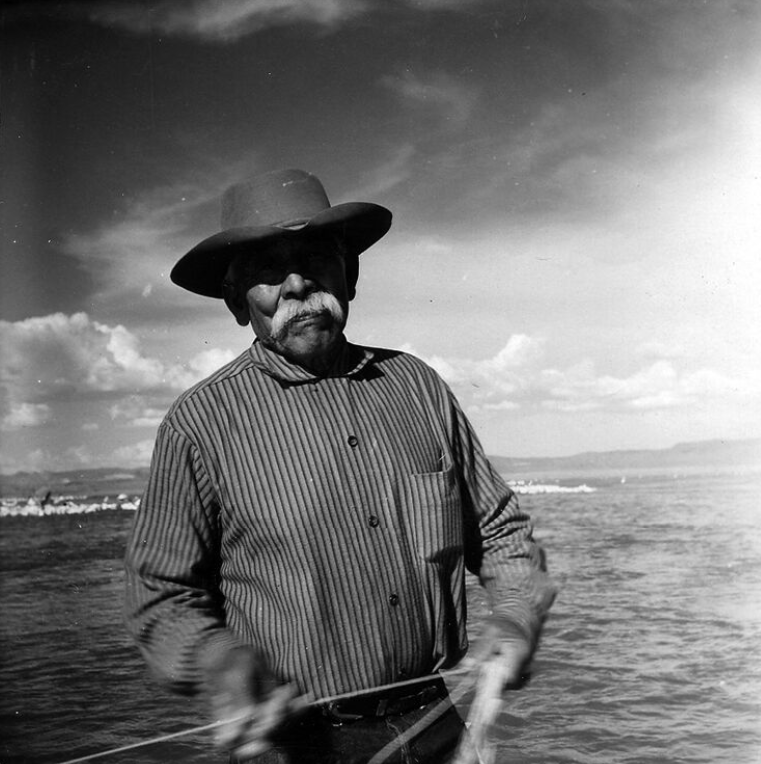
Nevada’s Overlooked Indigenous Heritage: 26 Reservations, 10,000-Year Basketry, and the Fight for Ancestral Lands
Nevada has 26 reservations across five major Native American Groups, including the Washoe and Numu, despite its large...

North Florida Women’s Basketball Beats South Dakota 74-65 Behind Fourth-Quarter Surge
Freshman forward Belle Ratliff and junior guard Jamisyn Stinson scored 11 points apiece as the University of North...