
- Macron set a 31 December deadline; Meloni and Stocker rejected a hard cutoff.
- Merz tied any budget deal to unanimous approval of a €45bn Ukraine loan to keep Ukraine funded through 2027.
- Czechia, Slovakia and Hungary want opt-outs; Bulgaria agreed to join for non-military aid.
- Costa’s €1.78tn proposal cuts the Commission plan by €204bn and adds a digital tax.
French President Emmanuel Macron accused far-right leader Marine Le Pen of “arrogance” after she criticised the push to finalise the 2028-2034 budget before France’s presidential election next year.
“It is an odd kind of arrogance to behave as if she is already in charge of France’s destiny because, as things stand, she has not been elected,” Macron told reporters in Brussels. Le Pen had written on X that France is “on the brink of default and social upheaval” and accused leaders of “underhanded political manoeuvring to thwart the democratic will of the French people.”
The exchange followed Macron’s warning a day earlier that he would walk away if no deal is reached before 2027, which would leave negotiations to a potential Le Pen presidency. She has vowed to slash France’s EU contribution and cut aid to Ukraine.
Italian Prime Minister Giorgia Meloni similarly said she was under “no hard deadline” to reach a deal.
This is not just a budget. It is Europe's investment plan for the future. In people. In businesses. In schools. In hospitals. In roads. In jobs. In security. As I told leaders at today's #EUCO, @Europarl_EN wants an agreement. As soon as possible. https://t.co/iqNlKeyC9R
Germany ties budget to Ukraine unity
Chancellor Friedrich Merz arrived in Brussels insisting that all 27 member states back a €45 billion loan to keep Ukraine funded through 2027. “When the European Union provides funding, it does so as the European Union – and that union consists of 27 member states, not 23 or 24,” Merz said on arrival at the Brussels summit, according to The Guardian. The European Commission proposed splitting the loan into €25 billion for military spending and €20 billion for civilian needs such as schools and hospitals.
Czech Prime Minister Andrej Babiš vowed to “fight” for EU funds and said Ukraine financing should be dealt with “separately.” Slovakia and Hungary also want opt-outs. Bulgaria’s Prime Minister Rumen Radev broke ranks, saying his country would participate but only for non-military support: “We are going to contribute, but no money from Bulgaria for weapons,” he told The Guardian.
Costa’s compromise draws fire from all sides
European Council President António Costa presented a €1.78 trillion proposal, a 10 percent reduction on the Commission’s original €2 trillion plan. “Concretely, my proposal is 10% lower than the Commission’s original proposal, a reduction of €204 billion in current prices – to keep national contributions at a reasonable level,” Costa said, according to Agriland. The package includes a tax on digital companies with at least €50 million annual turnover from digital activities in the EU and €750 million worldwide, DW.com reported.
Ireland’s Taoiseach Micheál Martin expressed “strong opposition” to the digital tax, telling the Irish Independent it “flies in the face of” European competitiveness and could antagonise the incoming US administration. The Netherlands, Sweden, Estonia, Luxembourg and the Czech Republic also voiced scepticism. Donald Tusk warned on X: “A cheap Europe could turn out to be a very expensive mistake. Security comes at a price.”
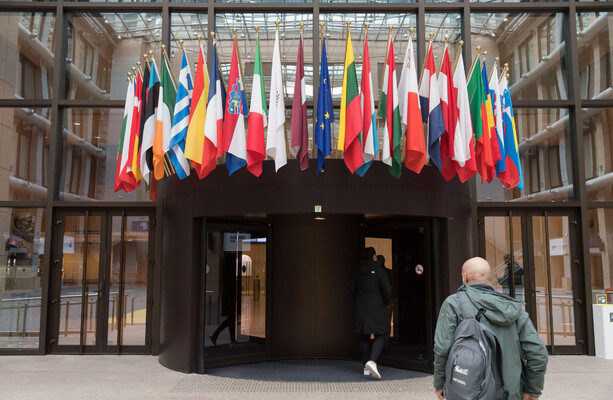
Martin said he met with Costa on Thursday morning and indicated Ireland’s “strong opposition” to a digital tax.
Farmers protest as December summit looms
Hundreds of farmers demonstrated in Brussels against cuts to agricultural subsidies, promising larger protests when leaders reconvene on 17 December. The French presidency said the budget “falls well short of what is needed, particularly on the Common Agricultural Policy, notably to guarantee income support for farmers.”
MEPs have warned the current proposal would be the smallest budget in EU history at just under 1 percent of gross national income once debt repayments are excluded. Talks are expected to continue through the night with no deal anticipated before the December summit.
Marine Le Pen, parliamentary party leader of the National Rally in the French National Assembly since June 2022, has vowed to slash France’s EU contribution and cut aid to Ukraine. Any such changes would require unanimous approval under the EU’s multi-annual financial framework, which operates on seven-year cycles and binds member states to agreed spending ceilings and legal bases.
As a head of state, a President Le Pen would sit on the European Council but could not unilaterally alter the framework or override treaty obligations without the consent of all 27 member states.
My message for today: a cheap Europe could turn out to be a very expensive mistake. Security comes at a price. As simple as that.
Martin said he pressed Costa on matters of Irish importance, saying he “identified the common agricultural policy (CAP) as a key concern, and that agriculture and the agri-food industry are of paramount importance to us.”
“Of course, the CAP is the one instrument, essentially, where a stream of funding comes via the European Union to Ireland,” he said. “What we are hoping is there can already be some convergence by the end of the week,” a source said.
More on Ukraine
The Special European Council is underway. Together with Peter and leaders of other countries, we are fighting for a good budget for our region. We are taking action and we are not backing down. pic.twitter.com/844623SmoH
We have just concluded a first round of discussions at #EUCO on my proposal for the EU’s next long-term budget. Leaders have heard each other’s positions. We are now breaking for consultations with groups of member states. pic.twitter.com/KsmQ7ZD8wp
We are now starting our discussion on the EU’s next long-term budget. We need a long-term budget that is fit to finance our key priorities while keeping national contributions at a reasonable level. My goal for this #EUCO is to bring us closer to a final agreement. I count on… pic.twitter.com/3OAIB7T4yB
- Candace Cameron Bure Still Gets Substantial Full House Residuals
- Thai Boy, 8, Shares Family Durian Farm Story at UN Climate Conference in Antalya
- Beauden Barrett Talks Two-Year Move To Bristol Bears After 2027 Rugby World Cup Amid Top 14 Interest (world-today-news.com)
- Trump tells Putin to pull back European military aggression for Ukraine deal (newsarchyuk.com)

Candace Cameron Bure Still Gets Substantial Full House Residuals
Bure, 50, said payments arrive several times a year from streaming deals with Hulu and Disney+, and she...
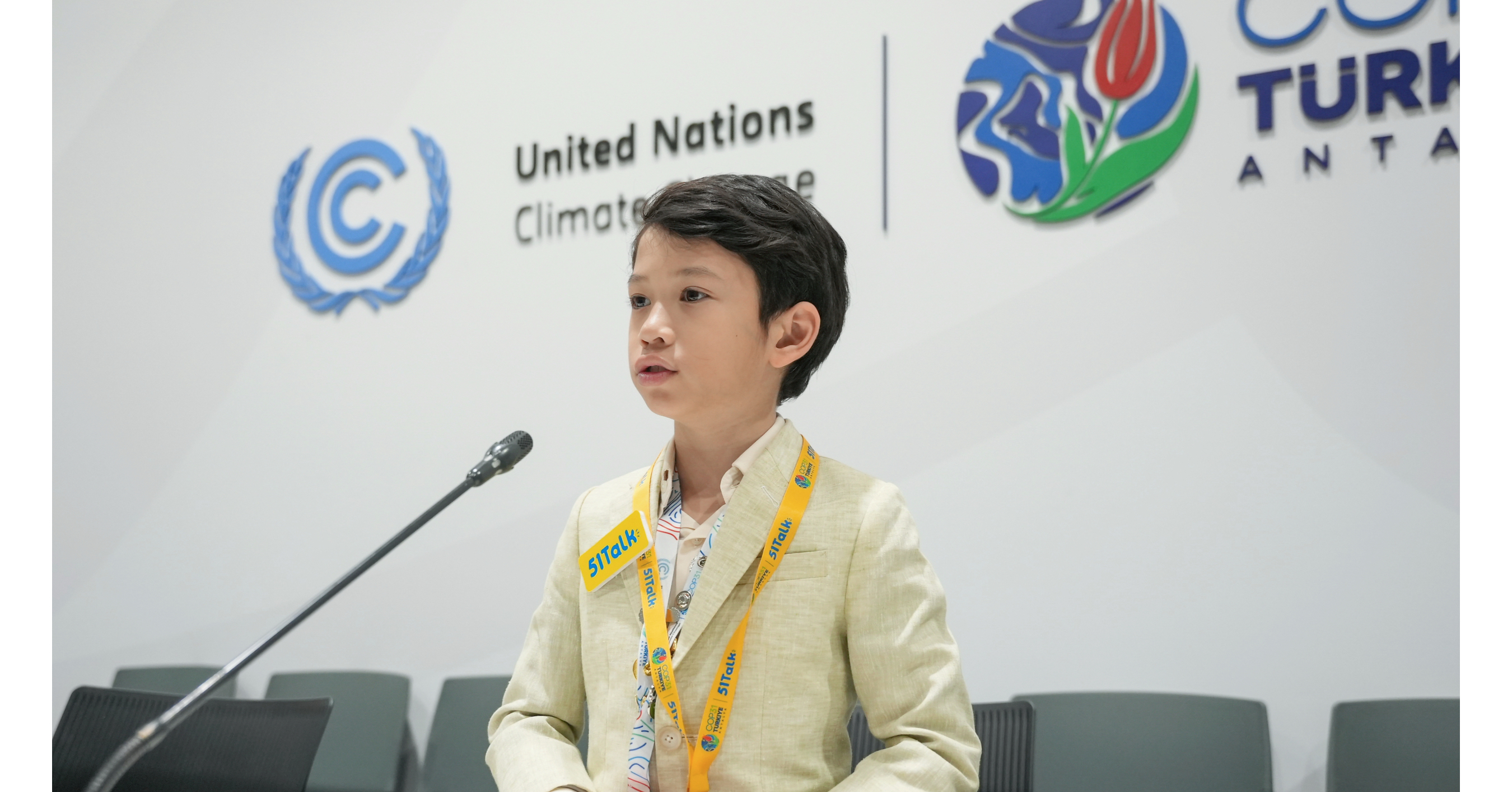
Thai Boy, 8, Shares Family Durian Farm Story at UN Climate Conference in Antalya
Eight-year-old Bodhi from Thailand addressed the UN Climate Change Conference in Antalya on Nov. 27, sharing his family’s...

Over 70 Firefighters Battle Major Blaze at Mivan Factory in Antrim
Over 70 firefighters are battling a major blaze at a factory in Co Antrim, with emergency services stating...

The Myanmar Kyat Fell Beyond 5,400 to the US Dollar on November 26, a Slide That Began Last Month
The Myanmar kyat fell beyond 5,400 to the US dollar on November 26, a slide that began last...