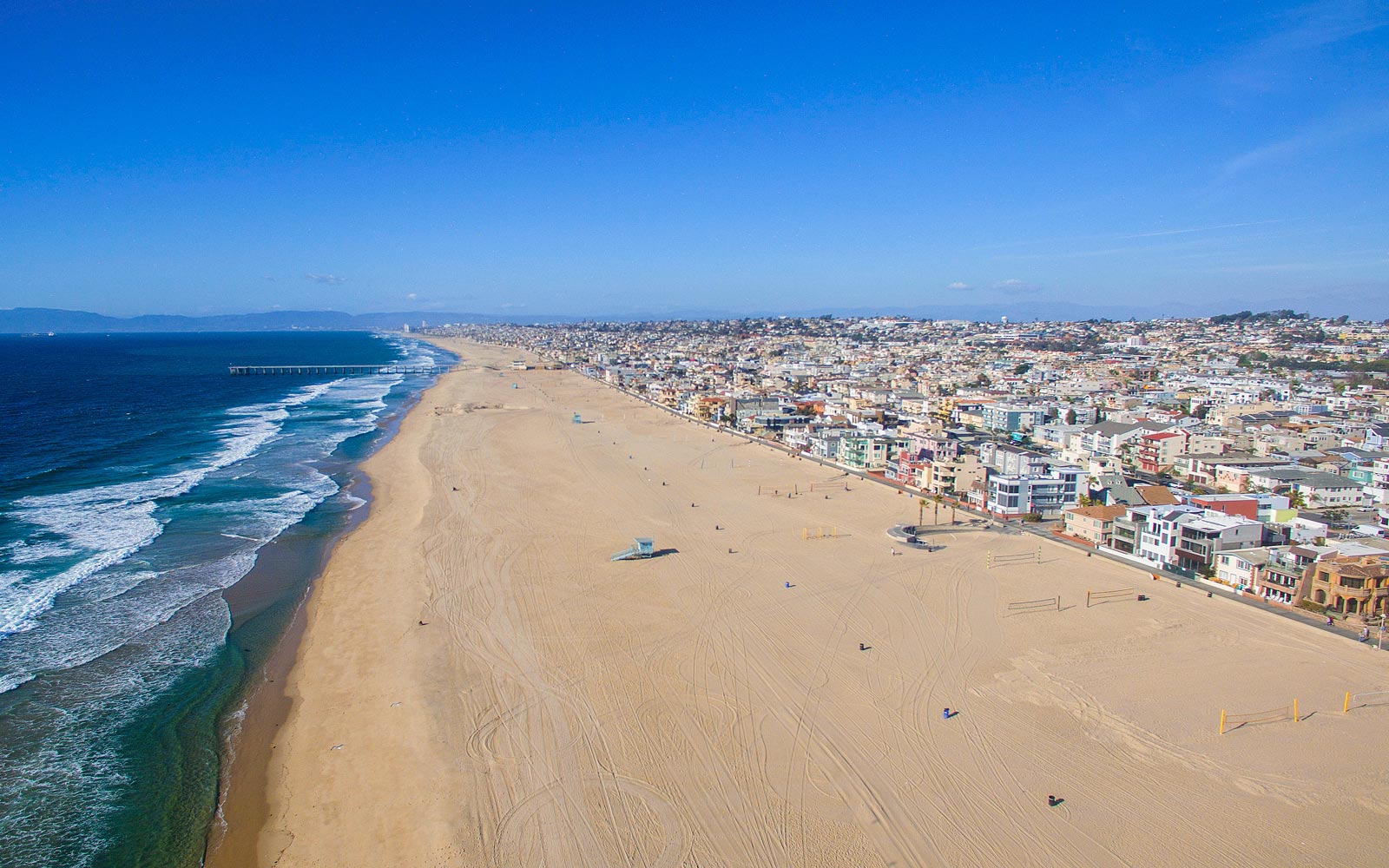
A magnitude 5 earthquake struck under Santa Monica Bay about three miles off Hermosa Beach on Saturday, producing more than 100 aftershocks in a sequence Caltech seismologist Lucy Jones called “on the robust side” but still within the normal range.
A magnitude 5 earthquake off Hermosa Beach produced over 100 aftershocks and prompted pier closures and damage reports.
The mainshock and its aftershocks have all occurred in the same general location. By Saturday evening, the largest aftershocks included a magnitude 4.5 at 11:41 a.m., a magnitude 4 at 2:08 p.m., a magnitude 3.9 at 2:27 p.m., and another magnitude 4 at 8:08 p.m., Los Angeles Times reported.
Damage and closures reported
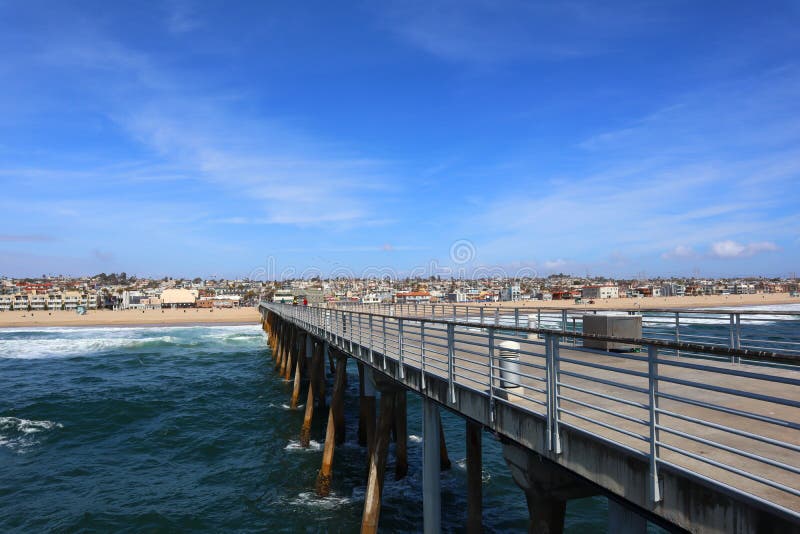
The 11:41 a.m. aftershock prompted Manhattan Beach to close its pier as a precaution and the Redondo Beach Harbor Patrol to inspect its pier by boat. Hermosa Beach closed its beach to assess whether its pier was structurally safe, according to Los Angeles Times.
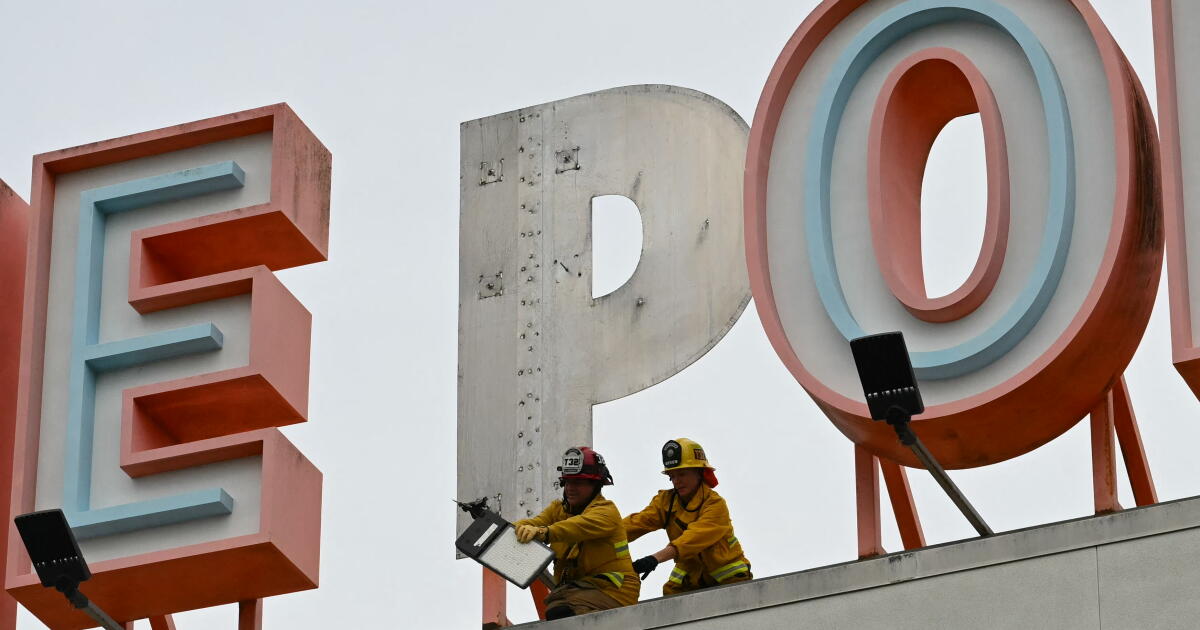
In El Segundo, signage fell at the Point restaurant and retail plaza at Pacific Coast Highway and Rosecrans Avenue, where firefighters responded to a damaged letter “P” on the shopping center’s name. Manhattan Beach building inspectors issued red tags marking some buildings unsafe to enter and yellow tags indicating significant damage. At least one chimney fell, and at Los Angeles International Airport, glass shattered and a ceiling tile fell.
How the sequence compares
“The reality is that aftershocks vary considerably,” Jones said. She noted a magnitude 5 earthquake in San Benito County on Nov. 19 produced hundreds of aftershocks, while a magnitude 3.9 quake centered in Commerce on Nov. 20 produced none. Saturday’s quakes are probably too far away to be connected to the Commerce event, Jones said.
“The ability of one earthquake to trigger another is confined to very close to where the first earthquake happened, and we’re seeing these all in the same location,” Jones said shortly after the 11:41 a.m. aftershock. “We pretty clearly have a main shock here, and we would consider this just a … relatively robust aftershock sequence, and expect it to continue.”
Aftershocks likely to persist for weeks
Aftershocks in the magnitude 3 range are likely to persist over the next week or two, Jones said Saturday afternoon. There is a 5% chance any quake will have an aftershock larger than the mainshock, which would reclassify the earlier event as a foreshock.
Saturday’s quake likely occurred on the Palos Verdes fault or a secondary reverse fault that splays off it, according to USC Earth sciences professor James Dolan. The Palos Verdes fault runs along the coast of Los Angeles and Orange counties and has the potential to cause a magnitude 7.8 earthquake.
Specifically identifying the fault under seawater can be challenging, Jones said. “This part of Southern California has quite a few faults running through it,” said USGS geologist Kate Scharer.
Historical patterns
Past sequences show how one quake can lead to a larger one. On July 4, 2019, a magnitude 6.4 quake near Ridgecrest was followed 34 hours later by a magnitude 7.1 quake, the largest in Southern California since the 1999 Hector Mine earthquake.
In 1992, the magnitude 6.1 Joshua Tree earthquake on April 22 is believed to have triggered the magnitude 7.3 Landers earthquake on June 28, followed hours later by a magnitude 6.3 at Big Bear. A toddler died in the Landers quake when a fireplace collapsed. Months before the Oct. 17, 1989, Loma Prieta earthquake that killed 63 people, magnitude 5.4 and 5.3 quakes — described by Jones as “preshocks” rather than foreshocks — were later considered related.
Lucy Jones, a research associate at Caltech’s Seismological Laboratory since 2016 and former USGS scientist from 1985 to 2016, has authored more than 100 papers with a primary focus on the physics of foreshocks and earthquake hazard assessment. During her three decades at the USGS, she served as Science Advisor for Risk Reduction for the Natural Hazards Mission Area and led research in foreshocks, seismotectonics, and applying hazards science to societal resilience.
“When you have a big aftershock, it will have its own aftershocks,” Jones said.
Worth a look

USC Dominates UCLA 45-10 to Boost Playoff Case While Crushing Bruins’ Postseason Hopes
USC routed No. 9 UCLA 45-10 at the Rose Bowl on Saturday, handing the Bruins a second loss...

Federal Judge Strikes Down Montana Drag Ban as Unconstitutional
A federal judge in Montana permanently blocked enforcement of the state’s 2023 drag ban on Wednesday, ruling the...
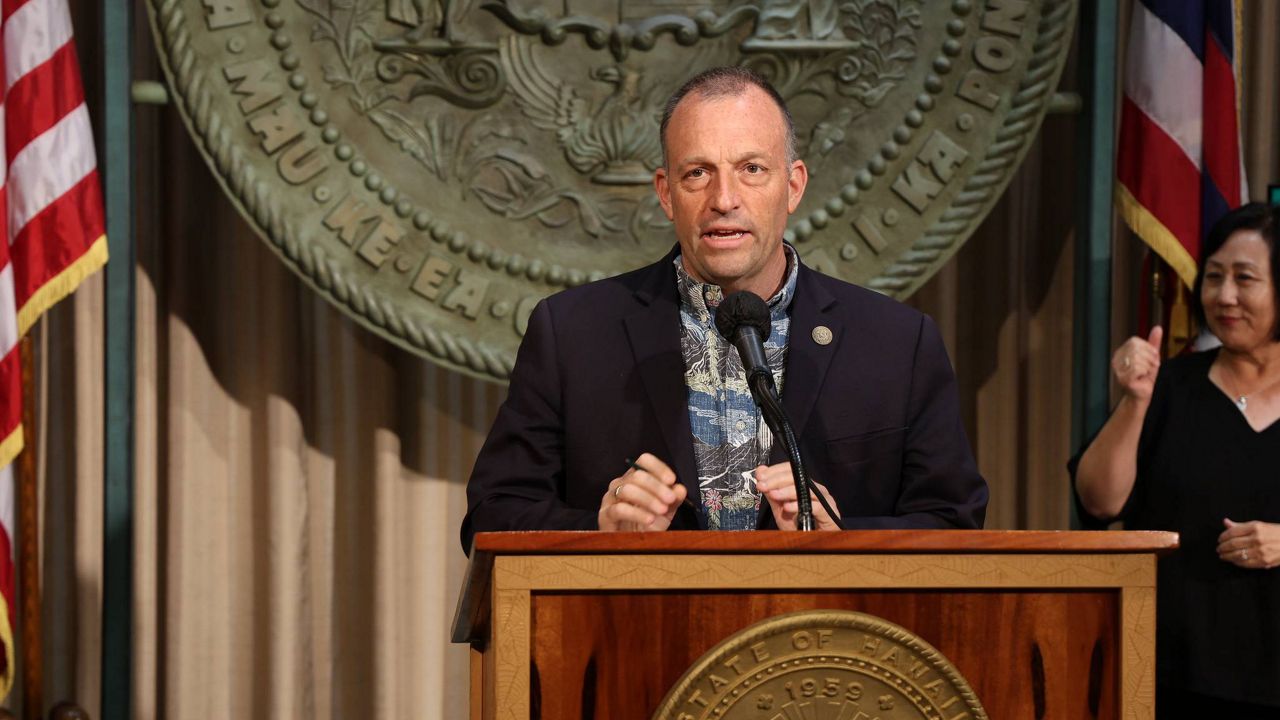
Gov. Green Announces Cabinet Picks Including Lambert Return to DLE
Gov. Josh Green announced Wednesday that Mike Lambert will return as director of the Department of Law Enforcement...

Massachusetts Approves Drive-Thru Marijuana Sales at Cannabis Dispensaries
Massachusetts Cannabis Control Commission voted unanimously Tuesday to allow marijuana retailers and medical dispensaries to offer drive-thru service....