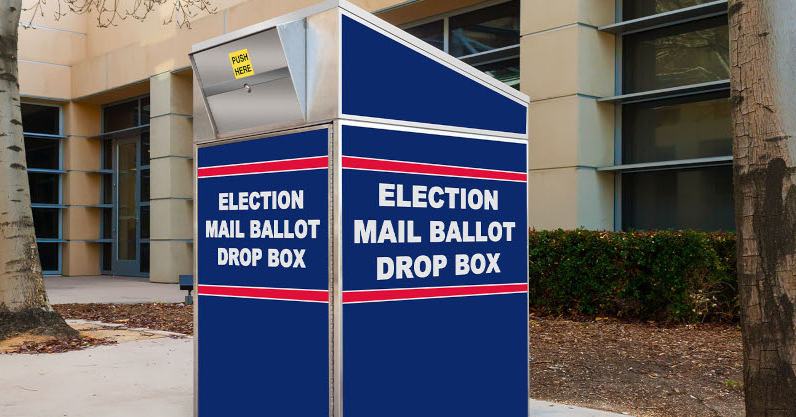
Rural Wisconsin voters trade mail for in-person absentee ballots
Voters in Wisconsin’s rural communities are increasingly bypassing the mailbox in favor of early in-person voting, driven by growing concerns over the reliability of the U.S. Postal Service. As the 2026 midterm elections unfold, a significant shift in how citizens cast their ballots is reshaping the state’s electoral landscape, moving away from traditional mail-in methods toward more direct, hand-delivered options.
According to reporting by Civic Media, this trend is most pronounced in the state’s smaller towns and counties. While the largest raw increases in early in-person voting numbers have come from high-population hubs like Milwaukee, Dane, and Waukesha counties—which together account for nearly 40% of the statewide surge—the rate of growth is moving fastest in rural areas. In 16 Wisconsin counties, the number of people voting in person has at least doubled compared to the same period in 2022.
The motivation behind this change is not merely a preference for convenience, but a response to systemic delays. Data shared by ProPublica suggests that mail delays have increased in rural counties following U.S. Postal Service cost-cutting measures. These changes, which include reducing mail pickups from twice daily to once daily in many communities, have added a day or more to delivery times, particularly in areas far from major processing facilities. Because Wisconsin law requires absentee ballots to reach election officials by 8 p.m. on Election Day to be counted, even a minor postal delay can effectively disenfranchise a voter.
The reliability gap in small towns
In the 300-person town of Namakagon in southern Bayfield County, the impact of these delays is felt personally by local officials. Town Clerk Laura Bjork reported receiving numerous calls from worried residents asking if their mailed ballots had arrived. Bjork noted that she has had to tell voters that their ballots had not yet been received, a situation she found deeply upsetting because of her efforts to encourage civic participation.
The numbers in Namakagon reflect a broader statewide pivot. As of Thursday, 27 voters in the town had cast in-person absentee ballots, marking a 35% increase from the same point in 2022. Conversely, the number of absentee ballots returned through other methods, such as mail, dropped from 31 to 23. Bjork expressed a clear preference for the in-person method, noting that when a voter comes to the office, the official knows for certain the ballot is secured.
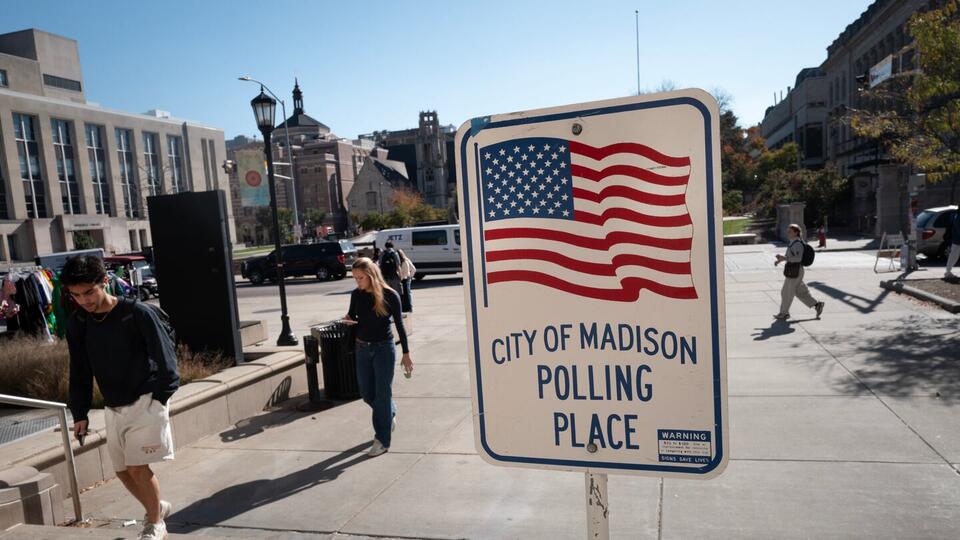
A similar pattern emerged in Manitowish Waters, a lakeside town 70 miles east of Namakagon. Clerk Heather Suffron reported that 48 people in the 600-person town had voted in person as of Thursday morning, a 37% increase from the 35 people who voted in person at this stage in 2022. To accommodate this demand, Suffron added five additional hours of early voting on the final Friday of the early voting period.
The scale of this shift is visible when looking at the state as a whole. Civic Media reported that in-person absentee voting has surged 54% statewide compared to 2022, with more than 344,000 ballots cast through this method. In-person voting now represents more than half of all returned absentee ballots in Wisconsin, up from approximately 38% during the same period in 2022.
Postal service changes and the rural divide
The geographic distribution of these changes highlights a growing divide between urban and rural voting experiences. ProPublica’s findings indicate that the postal service changes have been implemented across nearly all of Wisconsin, with the notable exceptions of the Milwaukee metro area and a small portion of northwestern Wisconsin near Minneapolis. This leaves rural voters in a position where they must weigh the risk of a delayed ballot against the effort of traveling to a clerk’s office.
In Clark County, located in central Wisconsin, the surge is even more dramatic. In-person absentee voting there increased 180%, rising from 67 ballots at this point in 2022 to 188 as of Thursday. While clerk Christina Jensen told Votebeat she was uncertain of the exact drivers behind the spike, the trend aligns with the concerns voiced by other local officials regarding mail reliability.
Critics of the shift might argue that the increased reliance on in-person voting places a higher burden on those with limited mobility or those living in the most remote parts of the state. However, for many rural voters, the perceived risk of a lost or late mail ballot outweighs the logistical challenge of visiting a municipal office. As Bjork in Namakagon observed, the primary advantage of the in-person method is the certainty of delivery: “You’re handing it right to somebody.”

Why Madison County Voters Are Shifting Toward Democrats
Madison County is diverging from traditional Alabama voting patterns as its electorate shows signs of shifting toward more...

Purdue football schedules road game at West Virginia for 2027
Purdue football will travel to Morgantown, West Virginia, for a nonconference matchup against the Mountaineers in 2027, according...
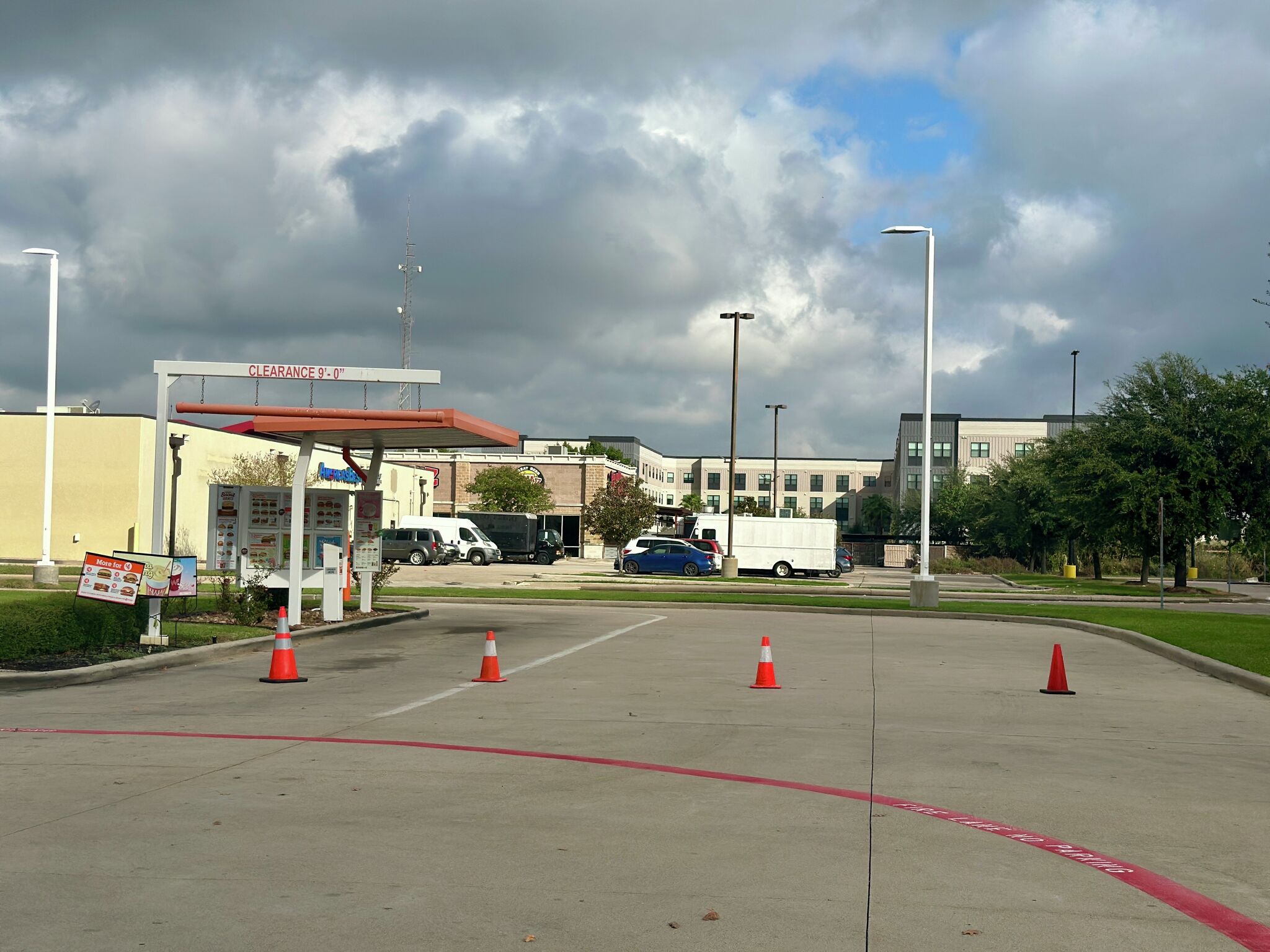
Houston Whataburger Drive-Thru Reopens After Truck Crashes Into Building
A pickup truck crashes into the Whataburger drive-thru on Silber Road A morning commute turned into a scene...

Court Orders Federal Government to Stop Funding Trump-Glorifying Ads
A federal judge halts government-funded political advertisements A U.S. District Court judge has ordered the federal government to...