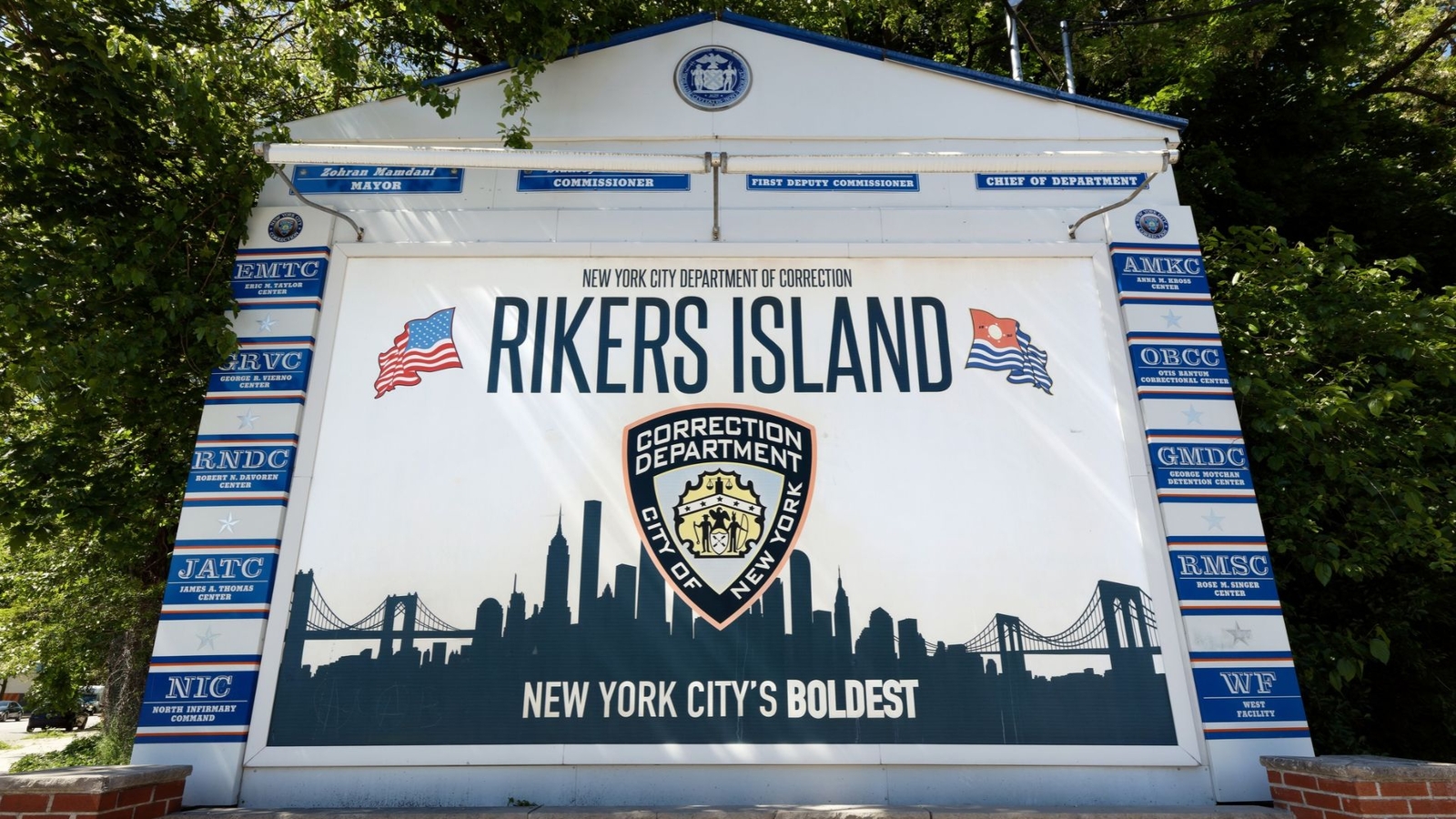
Mayor Zohran Mamdani proposed a five-year extension to close Rikers Island on Friday, moving the legally mandated deadline from August 31, 2027, to the end of 2032.
The announcement acknowledges what city officials have signaled for months: the 2019 law requiring the jail complex to shut down within eight years is no longer achievable. Construction delays on the four planned borough-based jails, a jail population that has swelled back to roughly 6,600 people, and court backlogs that keep detainees waiting months for trial have all pushed the timeline past its breaking point.
“It is time to finally close Rikers Island,” Mamdani said in a statement released with the plan. “We have a legal and moral obligation to close Rikers.”
“Delays under previous administrations have made it clear that more time is needed to fulfill the commitment the City Council made to New Yorkers in 2019 when we legislated closing Rikers Island.”
City Council Speaker Julie Menin said in a statement supporting the extension.
The population math
The administration’s roadmap hinges on driving the average daily population down to about 4,100 — a 38 percent reduction from current levels. That target is not arbitrary; it matches the total capacity of the four new borough-based facilities planned for the Bronx, Brooklyn, Manhattan, and Queens.
But the numbers reveal a stubborn structural problem. City data show that in 2025, the city sent 56 percent fewer people to Rikers pretrial than it did in 2017. Yet the overall population dropped only 22 percent. The reason: people are staying far longer. The average length of stay for everyone leaving jail hit 102 days in 2025, nearly four times the national average.
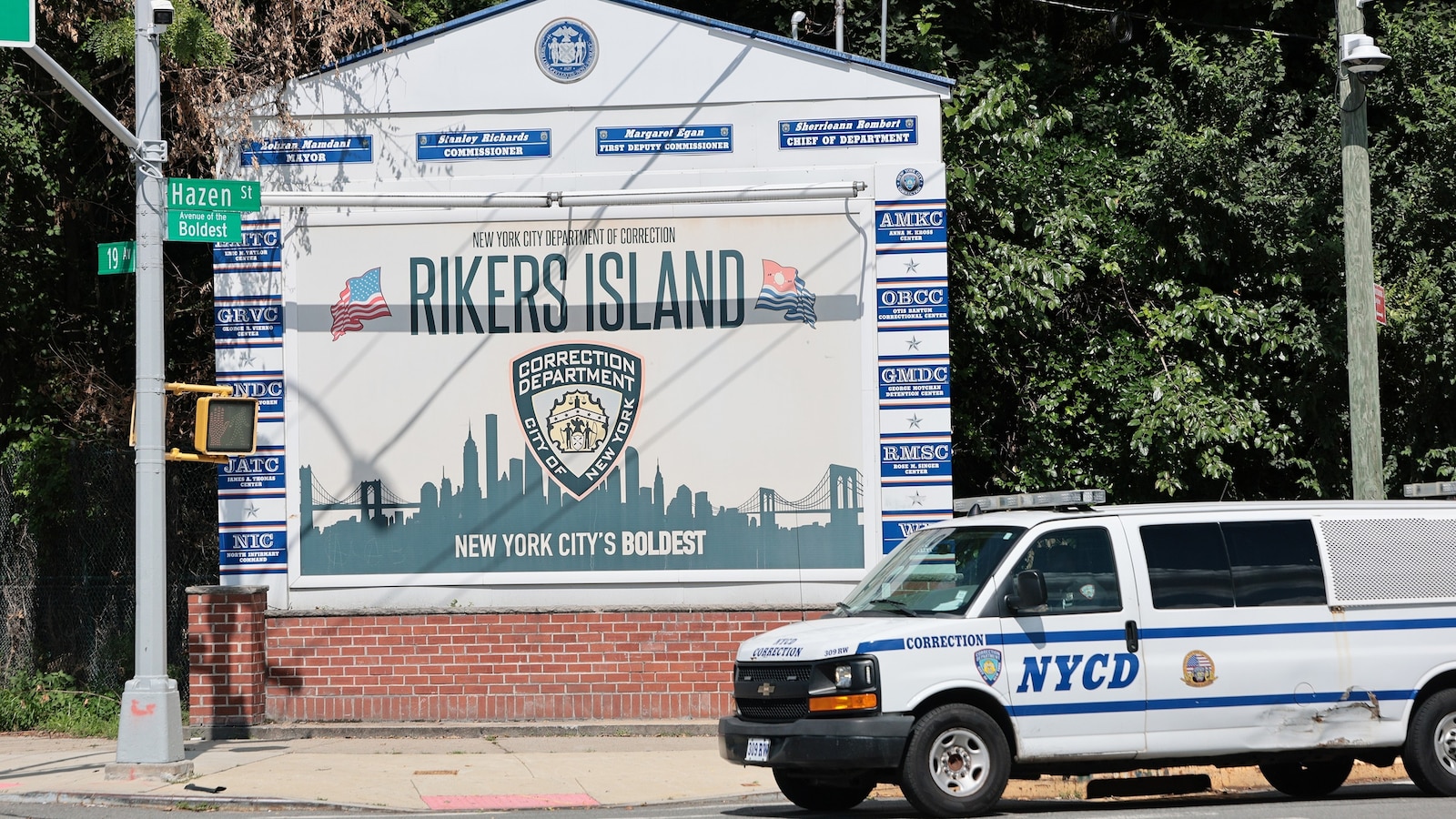
“Recent increases in the jail population have been driven by the length of time people are staying, not by the number of people entering custody,” the administration said.
Courts, not cops, are the bottleneck
To fix that, the plan creates an interagency task force targeting court delays. The strategy also leans heavily on expanding alternatives to incarceration — supportive housing, diversion programs, and emergency stabilization beds that offer psychiatric care and substance-use treatment outside a jail setting.
The price tag for the first year of that transition: $146 million, earmarked for mental health care, vocational training, reentry services, and additional support for crime victims and survivors.
Borough-based rollout
Brooklyn’s facility is slated to open first, in 2029, with the other three following in sequence to meet the 2032 deadline. The new jails are designed with individual cells, programming space, and areas for community use — a deliberate break from the dormitory-style housing and remote location that have defined Rikers for decades.

Commissioner Stanley Richards, the first formerly incarcerated person to lead the Department of Correction, appeared alongside Mamdani in a pre-recorded video announcing the plan. Advocates say his appointment shows the administration plans to treat closure as an operational reality, not just a rhetorical goal.
The federal shadow
Rikers has operated under federal oversight for years after findings of excessive force by correction officers and inadequate medical and mental health care. At least nine people have died in DOC custody so far this year, according to the Vera Institute of Justice, which tracks the figures.
Assaults on detainees and staff occur at eight times the rate of comparable jails, according to administration data. The remote island location — an hour by bus from the nearest subway — compounds the harm, severing family ties and making attorney visits logistically grueling.
Kalief Browder’s legacy
The push to close Rikers gained national urgency after the death of Kalief Browder, a Bronx teenager who spent three years in pretrial detention — nearly two in solitary confinement — on a charge of stealing a backpack. Prosecutors eventually dropped the case. Browder was released but died by suicide in 2015 at age 22. His case became the emblem of everything the 2019 law was meant to fix.
The City Council must vote to amend the 2019 law. Menin’s statement suggests the votes are there, but the council has not yet scheduled a hearing. If the extension passes, the first new jail opens in 2029. The last detainee leaves Rikers in 2032 — fifteen years after the original legislation passed.

Researchers: Action Games Boost Cognition But Wellbeing Depends on Perceived Value
Grand Theft Auto VI launched Thursday on PlayStation 5 and Xbox Series X|S, and researchers are already parsing...

PAHO Rules U.S., Mexico, Bolivia Lost Measles Elimination Status
The Pan American Health Organization ruled Tuesday that the United States, Mexico and Bolivia have lost their measles...

Singapore SAF Needs More Commanders as NS Cohorts Shrink, Chan Says
Defence Minister Chan Chun Sing told 958 graduating specialist cadets and military experts on Friday that a larger...

UBC Sheffield Study Finds Dark Energy May Arise From Strong Nuclear Force
A study published today in The Astrophysical Journal argues that dark energy — the mysterious component driving the...