The Weight of History on Michael Carrick’s Shoulders
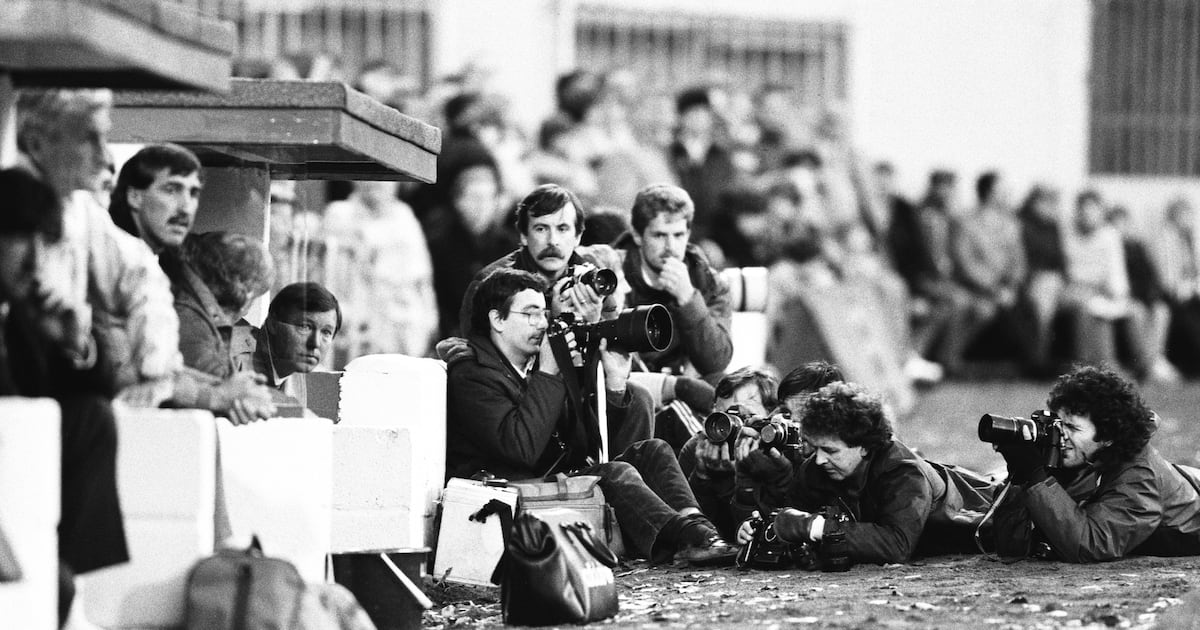
Sunday marks forty years to the day since Sir Alex Ferguson first stood in the dugout at Oxford United, a rainy afternoon that ended in a 2-0 defeat for a Manchester United side that looked, by all accounts, like a rich mess. It is an anniversary that feels particularly heavy in 2026. As the club navigates another period of profound instability, the current manager, Michael Carrick, finds himself occupying a space that feels less like a successor to Ferguson’s throne and more like a modern-day echo of Ron Atkinson, the man Ferguson replaced.
Exploring Sir Alex Ferguson's life and legacy ❤️@FootballMuseum's new pop-up exhibition features never-before-seen memorabilia from The Boss's personal collection 📜 📚 @PanMacmillan pic.twitter.com/b8ruTynHxI
The parallels are not merely convenient; they are visible in the way the club operates. Just as Atkinson found himself vulnerable after a promising start, reliant on the next result to survive the next week, Carrick is currently staring down the barrel of an urgent, deepening crisis. The direction of travel for this United side has become painfully predictable. Following an opening-day loss to newly promoted Hull City, the team has managed only seven points in the Premier League, leaving them hovering just one place above the relegation zone on goal difference. They sit 17 points behind Arsenal, a gap that speaks volumes about the chasm between the club’s ambitions and its current reality.
The Mirror of Old Trafford
Lisandro Martinez, speaking after the Champions League defeat in Madrid, suggested that the ease with which Atlético dismantled his side should act as a “mirror” for the entire club. It is a sentiment that resonates with those who have watched the club’s haphazard decline. As noted in The Irish Times, the systemic issues at United—the debt, the lack of coherent investment, and the absentee ownership of the Glazer family—are not new phenomena. They are historical patterns repeating themselves.
Carrick, for his part, often looks to the past for inspiration. Tuesday night’s 3-2 comeback victory against Roma offered a fleeting glimpse of “Fergusonian theatre,” a moment where the stadium’s history seemed to influence the outcome. Carrick spoke afterward of the “magic” inherent in Old Trafford, a place that has stood since 1910. Yet, for those tasked with managing the club’s finances, the reality is more mundane: the stadium is not a relic in need of a replacement, but a structure in desperate need of repair and renewal.

“Everyone at the club has to understand that it’s not the same any more, we’re not in the past. We have to look to the future.” Gary Neville.October’s
This assessment, delivered by Bruno Fernandes following the defeat in Como, highlights the tension within the dressing room. Fernandes’s public frustration—most notably his outburst at €85 million signing Carlos Baleba during the Roma match—reflects a squad that lacks the cohesion and fitness required to compete at the highest level. Ferguson, upon taking over in 1986, was famously “depressed by the poor standard of fitness” he encountered. Four decades later, the mutterings about player lifestyles and the team’s inability to cover ground suggest that history is not just repeating itself; it is stagnating.
The Cost of Passivity
The statistical reality of Carrick’s United is grim. Whether it is the lack of urgency noted during the draw at Craven Cottage or the physical dominance exerted by opponents like Hull City, the team consistently fails to match the intensity of the opposition. When Matheus Cunha remarked that he had never seen a Manchester United team “walk out of possession” as much as they do now, he was echoing the concerns of observers like Gary Neville. The data supports the eye test: this is a squad that is conspicuously less intense than those they face.

This brings us to the immediate stakes. With Aston Villa arriving on Sunday, the contrast between Carrick and Unai Emery is impossible to ignore. Emery has built a side that functions with a clear, tactical identity, while Carrick oversees a lopsided squad that is struggling to justify its own existence. The financial burden of this failure is immense, not just for the club’s bottom line, but for the community of supporters who have seen their club drift from the top of the table to the precipice of the relegation zone.
Carrick’s tenure, which began with such promise after he inherited the failed Ruben Amorim experiment and secured a third-place finish, now hinges entirely on the next ninety minutes. If the team loses to Villa, the calls for change will reach a fever pitch on the very anniversary of the most successful reign in the club’s history. If they win, they earn another fortnight of uncertainty before facing Liverpool. For now, the club remains stuck in a cycle of hope and mirrors, waiting to see if the next result will be the one that finally defines them.
Worth a look
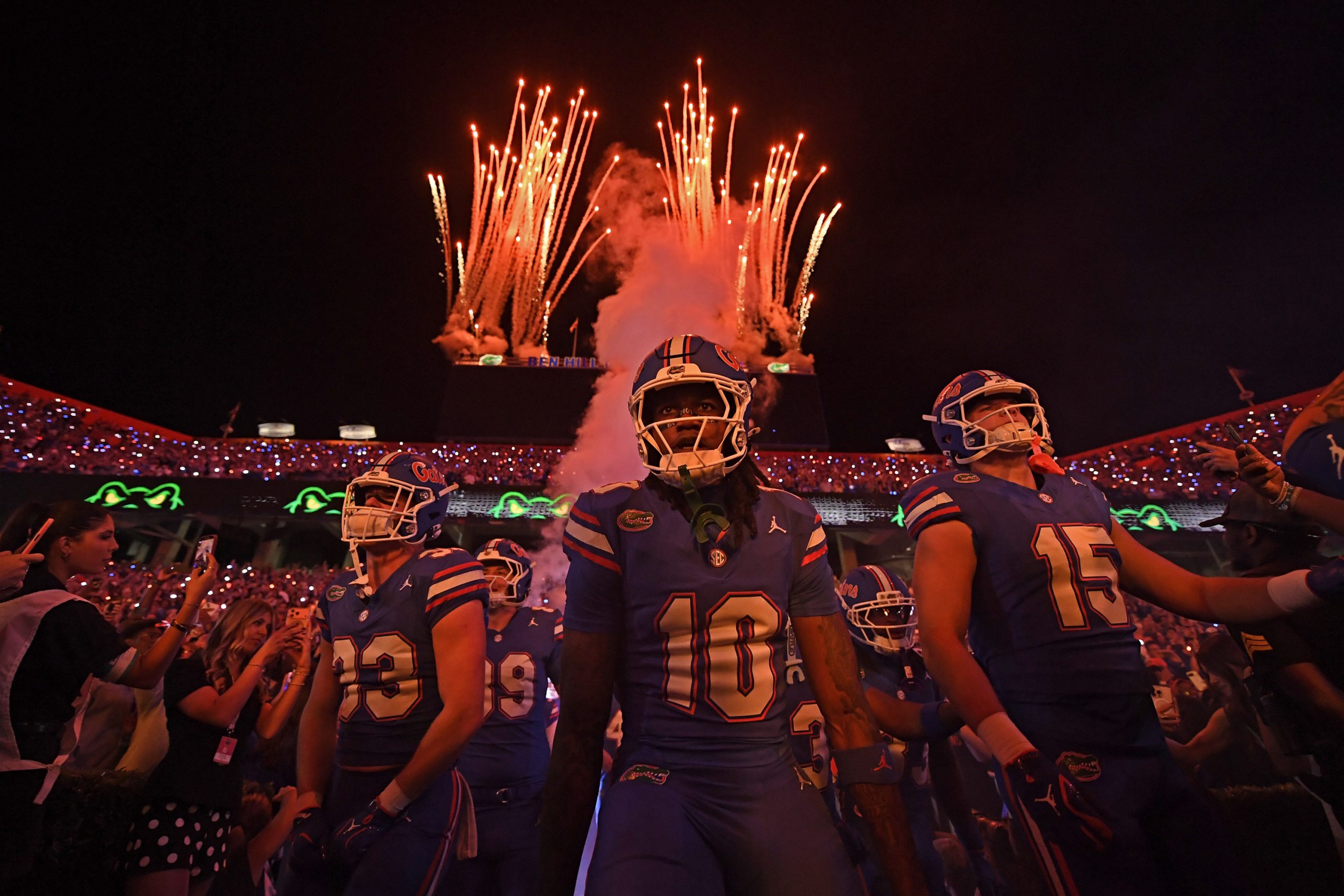
How Florida Can Beat Oklahoma and Secure Bowl Eligibility
Florida’s Offensive Stagnation Leads to 23-7 Loss Against Oklahoma The promise of a mid-season turnaround for the Florida...

Why North Dakota Voters Rejected the School Meals Measure and the Unfunded Mandate That Remains
The Unfunded Mandate Left on the Lunch Tray North Dakota voters headed to the polls this week and...

Director, North America Infrastructure Ratings at S&P Global
S&P Global Ratings Seeks Director to Lead North American Infrastructure Finance S&P Global Ratings is actively recruiting for...

Upsets Abound in CIF San Diego Section High School Football Playoffs
The CIF Playoff Upsets That Defied the Records In high school football, the numbers on a stat sheet...