
Pennsylvania is poised for a significant shift in its drug policy as the state’s political landscape undergoes a transformation.
Following the November 2026 midterm elections, the state’s Democratic Party has secured unified control over the governor’s office, the state House, and the state Senate for the first time in 48 years. This consolidation of power effectively removes the primary legislative roadblock that previously stalled efforts to legalize recreational marijuana.

For years, the Republican-controlled state Senate served as the obstacle to adult-use legislation, despite repeated support from Governor Josh Shapiro and a Democratic-led House. With Democrats now holding a projected 26-24 majority in the Senate, the path toward a legalized, regulated cannabis market has shifted from a theoretical possibility to a tangible legislative priority for the 2027 session.
Pennsylvania currently occupies an increasingly unusual position on the map of American cannabis policy. While the state has maintained a medical-only program since 2016, it is now surrounded by neighbors who have moved toward full legalization. Ohio voters approved recreational measures in 2023, and systems are already operational in New York, New Jersey, Delaware, and Maryland.
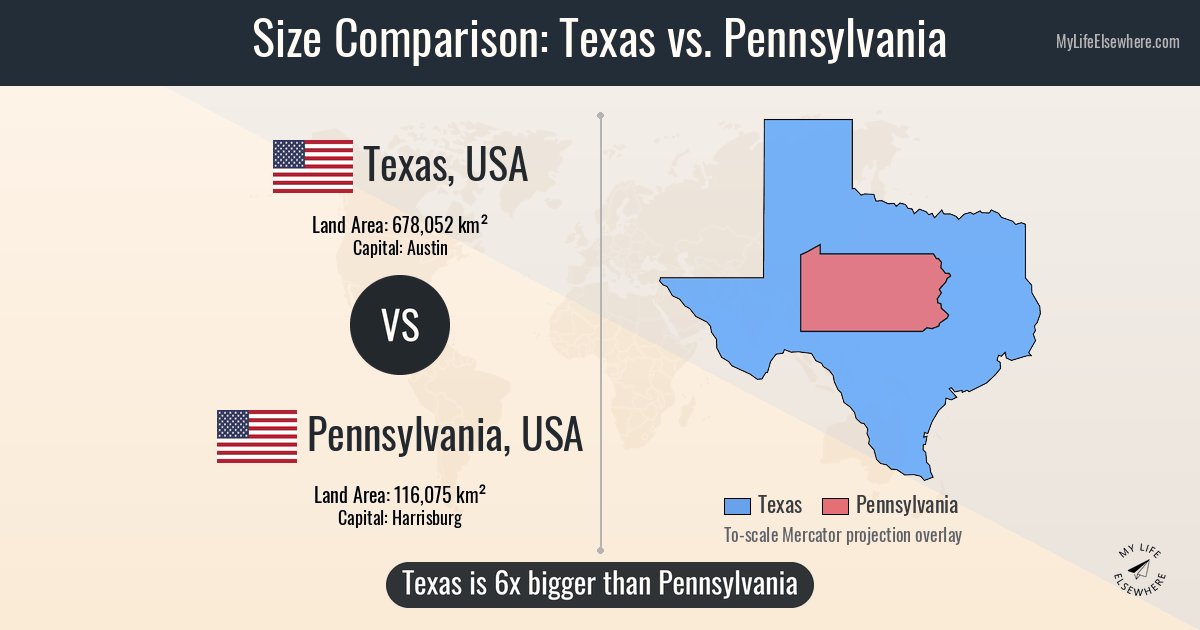
This regional disparity has fueled the economic argument for change in Harrisburg. Governor Shapiro has leaned into this economic rationale, with his 2026 budget proposal estimating that a regulated adult-use market could generate approximately $729.4 million in state revenue during the fiscal year.
However, the transition to a legal market is not automatic. Lawmakers must still reconcile major questions over the structure of the industry, including licensing frameworks, tax rates, and social equity provisions. These complexities are not unique to Pennsylvania; they represent the same friction points that have complicated rollouts in states like Virginia, where possession was legalized in 2021 while a retail market remains elusive.
The political realignment in Pennsylvania is part of a broader, fluid trend in statehouse cannabis politics. In Texas, Democratic electoral gains have created an opening for new legislative proposals.
Representative Joe Moody and Representative John Bucy III have already prefiled legislation aimed at establishing a regulated market, while Senator Carol Alvarado has introduced a separate framework. These bills envision a system that would allow adults 21 and older to possess up to 2 ounces of marijuana and cultivate up to 12 plants for personal use.
The practical reality for both Pennsylvania and Texas remains subject to the same fundamental question: how quickly a legislative body can move from a bill to a working storefront. Even when the political will exists, the mechanics of regulation—ensuring safety, tax collection, and compliance—often dictate a timeline that stretches far beyond the passage of an initial law.
Worth a look

Tax Retreat Opens Registration for 2027 Minneapolis Event
Registration is officially open for the fourth annual Tax Retreat, which will take place July 28–31, 2027, at...
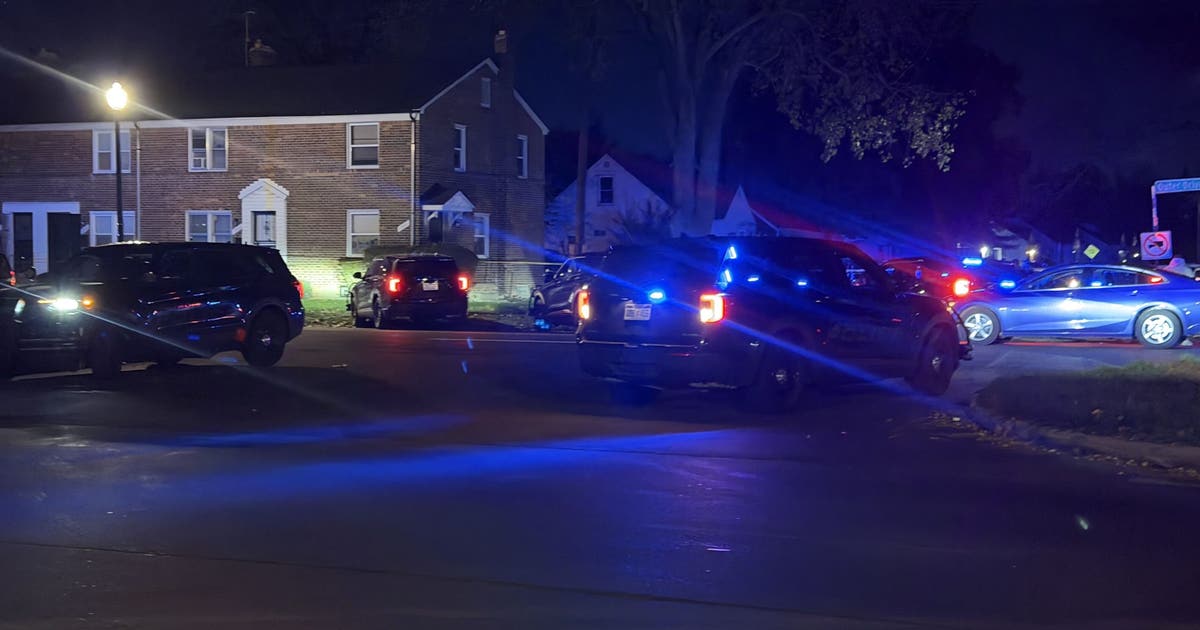
Woman Dead, Man Injured in Detroit East Side Double Shooting
A double shooting on Detroit's east side left a woman in her 20s dead and a man in...

Boston Celtics face Philadelphia 76ers at Xfinity Mobile Arena
Just ten games into the 2026 season, the Boston Celtics travel to face the Philadelphia 76ers for their...

Dr. Enrico Novelli to Lead Sickle Cell Disease Care in Maryland
Dr. Enrico Novelli has taken the helm of a major regional effort to transform care for patients with...