
A Victory in the Reddest State That Felt Like a Warning
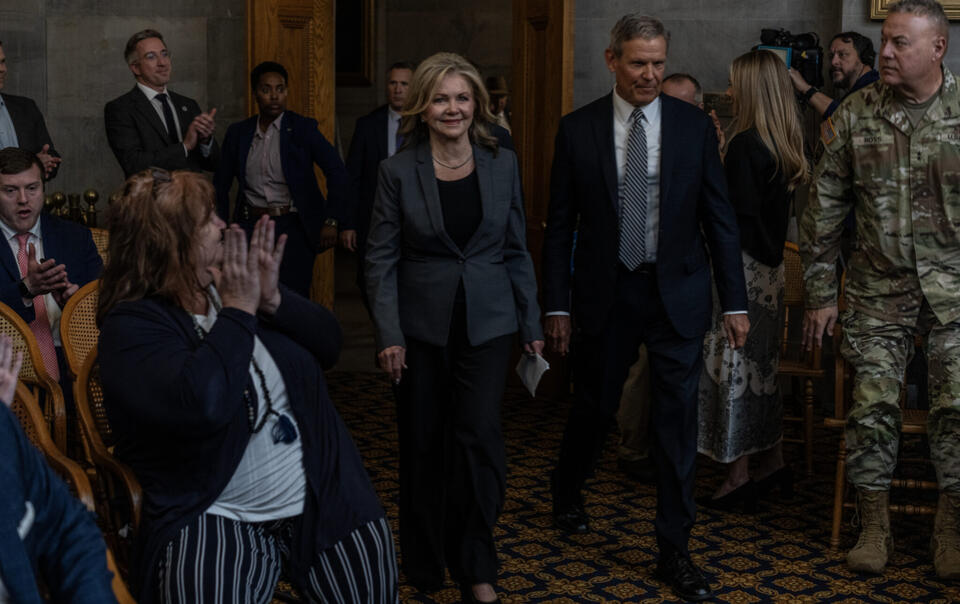
The election night party for U.S. Senator Marsha Blackburn was long, drawn out, and, by all accounts, surprisingly tense. As the Tennessee Lookout reported, guests were treated to a marathon of Merle Haggard’s catalog while the campaign waited for the numbers to solidify. In a state that reliably anchors the deep red South, the air in the room at The Pinnacle in Nashville was thick with the anxiety of a race that had tightened far more than anyone in the Blackburn camp anticipated.
When the results finally settled, the Republican nominee had secured the governorship with just 45.5% of the vote. Her opponent, Democrat Jerri Green, trailed at 43%. While Blackburn claimed victory, the 2.5-point margin in a state that typically delivers landslide results for the GOP suggests a campaign that struggled to consolidate its base. It was a narrow win that left many observers questioning why a contest in such a reliably Republican stronghold became a nail-biter.
The Independent Factor and the Republican Unenthused
The Blackburn campaign has pointed to independent candidate David Hatley as a primary culprit for the narrow margin, noting his 9% share of the vote. However, the math doesn’t necessarily support the idea that these were simply stolen Republican votes. As Tennessee Lookout noted, Hatley, an upper East Tennessee hot tub mogul, spent $12 million of his own money to mount a campaign that largely served as a landing pad for conservatives who were dissatisfied with Blackburn.
The numbers suggest a deeper fracture. While Blackburn received 957,136 votes, Green garnered 902,953. When you add in Hatley’s 195,564 votes and the 1.25% share for former Lipscomb professor Lauren Pinkston, it becomes clear that a significant portion of the electorate was looking for an alternative to the status quo. The fact that Blackburn failed to secure a majority—falling well short of a clear mandate—is a reality she acknowledged in her victory speech, where she pledged to be a governor for “every Tennessean.”
A Shift in the Statehouse and the Question of Strategy
The night was not the sweep the GOP hoped for. In what is being described as the largest pickup for Democrats in three decades, the party flipped six state House seats. Even in areas where the legislature had previously redrawn maps to favor the GOP, the results were perilously close. Republican U.S. Rep. Scott DesJarlais, for instance, remains locked in a battle with Democrat Victoria Broderick, trailing by roughly 280 votes at last check.
Realists observing the campaign have pointed to a series of strategic choices that nearly cost Blackburn the seat. Her team famously refused to debate opponents, declined to seek support from primary rivals like state Rep. Monty Fritts and U.S. Rep. John Rose, and relied heavily on dark-money groups to attack Hatley rather than articulating a positive case for her own platform. By leaning into a campaign style that avoided direct media scrutiny—often refusing to take reporter questions—the Blackburn camp created a vacuum that allowed frustration among traditional voters to fester.
The Road Ahead for the New Administration
As the transition begins, with former CoreCivic CEO Damon Hininger and Commissioner of Economic and Community Development Stuart McWhorter playing key roles, Blackburn faces a complex legislative landscape. The “Education Freedom Scholarship”—the state’s private-school voucher program—now faces a much rockier path in the legislature following the loss of several reliable GOP supporters in the primaries. With the program already costing the state upwards of $300 million, the incoming administration will have to navigate a legislature that is no longer the rubber stamp it once was.
Furthermore, tensions with local government leaders remain a flashpoint. Nashville Mayor Freddie O’Connell has been vocal about the state’s recent interference in local governance, specifically regarding the restructuring of airport authorities and the Metro Council. While Blackburn has already signaled a hardline stance against “sanctuary cities,” the economic reality of Nashville as the state’s primary engine makes a standoff with the mayor a risky proposition for both sides. Whether the governor-elect can pivot from a combative campaign style to the consensus-building required to manage a fracturing statehouse remains the most significant question of her transition.
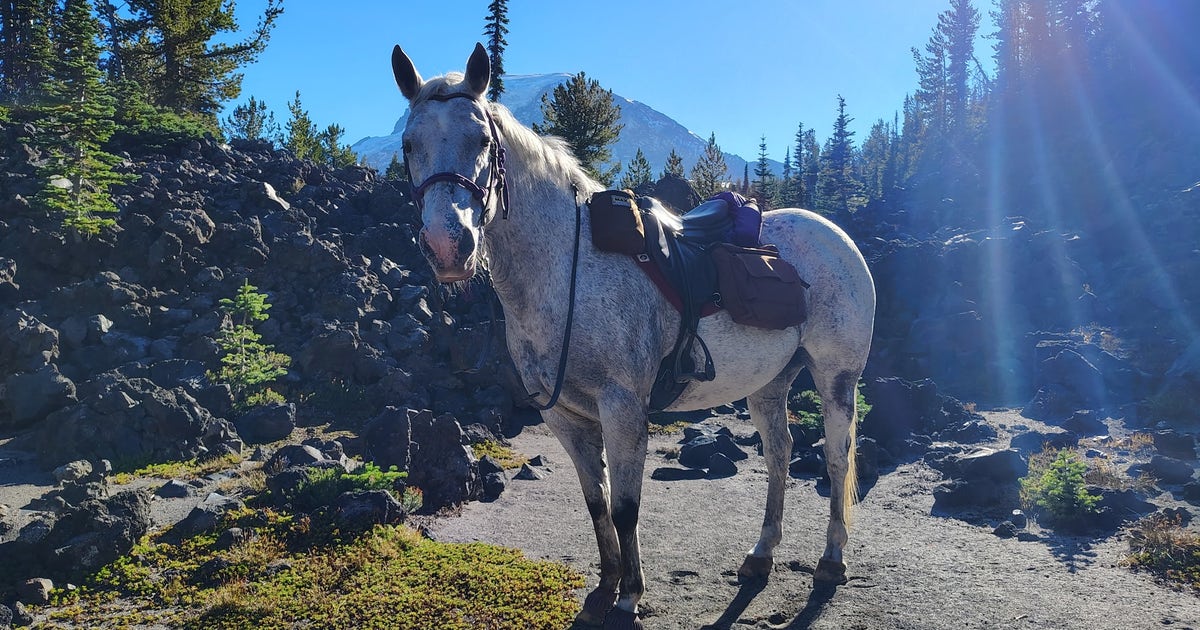
Marysville family searches for horse Cheyenne missing in Mount Adams Wilderness
For the Hoemann family in Marysville, Washington, the barn has felt significantly quieter since early October. A trail...

Virginia Morales Cedeño Obituary: A Legacy of Family and Passion
Virginia Morales Cedeño: A Life Defined by Family and Community Virginia Morales Cedeño, whose life spanned nearly a...

Phil Scott Victory Highlights Why Pre-Election Polls Failed
The 14-Point Discrepancy in Vermont’s Gubernatorial Race When the final ballots were tallied on Tuesday, the results in...
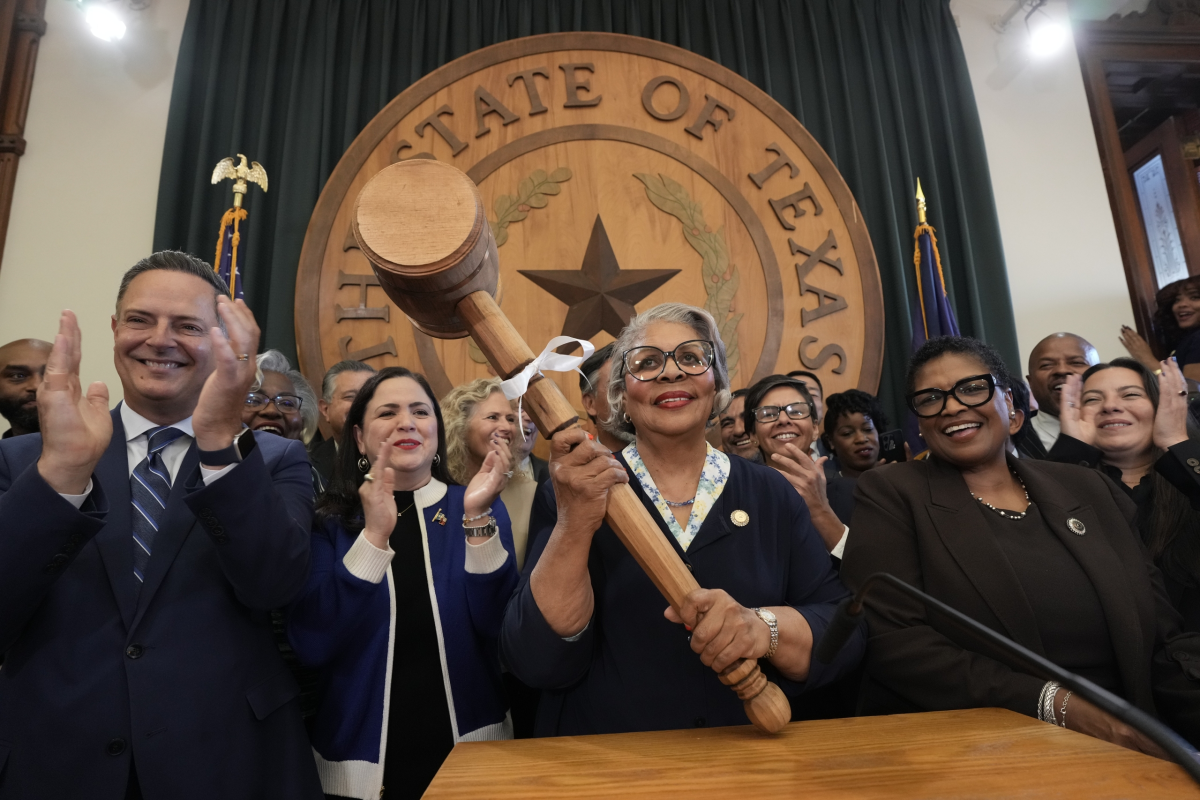
Senfronia Thompson Claims Enough Votes to Become Texas House Speaker
A Historic Shift in the Texas House State Rep. Senfronia Thompson, a fixture of the Texas Legislature since...