Global Instability and Domestic Shifts Mark a Volatile November
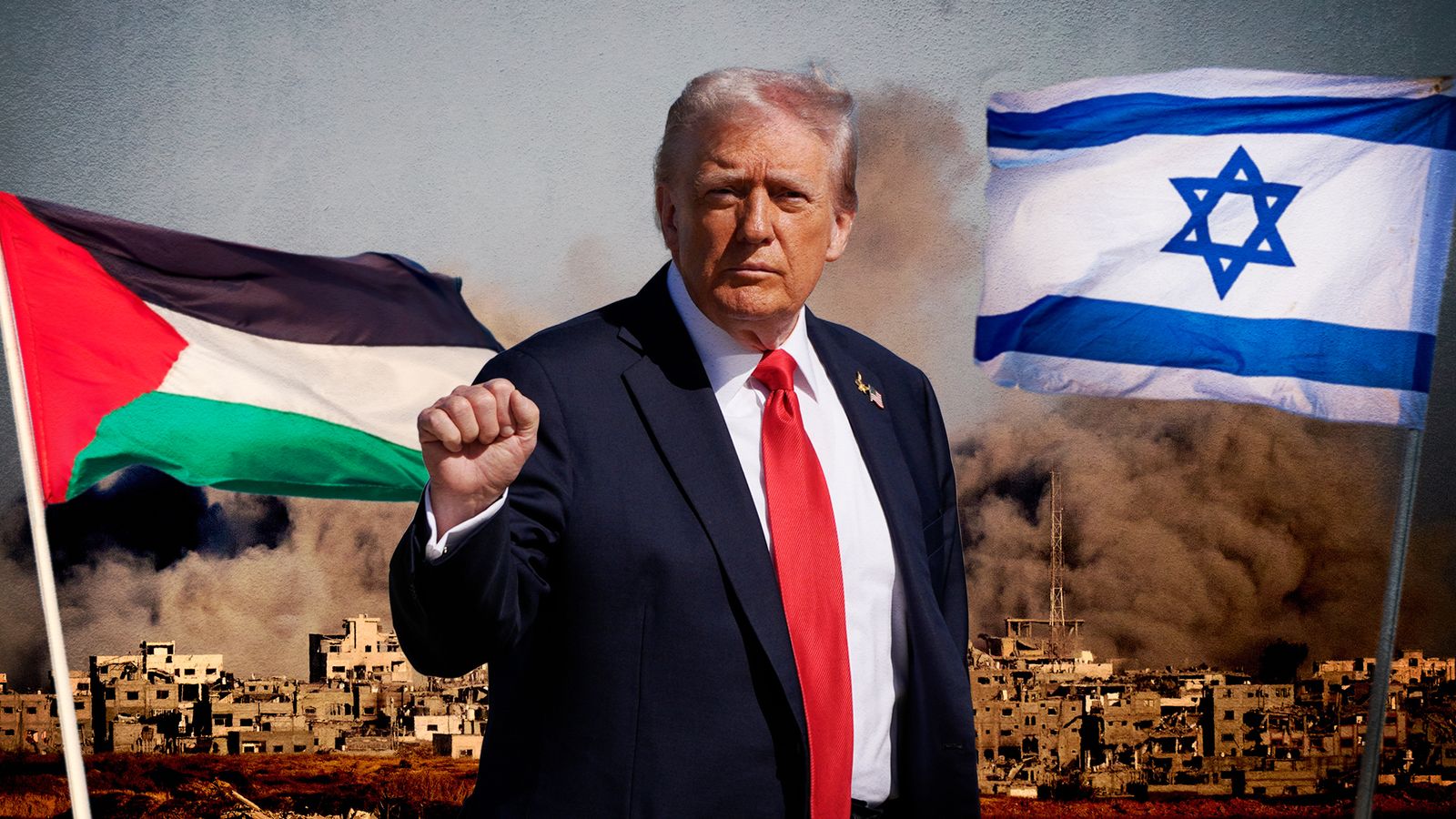
The geopolitical landscape fractured further this Friday as President Donald Trump threatened to “destroy what is left” of Iran, citing an imminent decision on new military strikes. This escalation coincides with reports of two oil tankers catching fire in the Strait of Hormuz after striking naval mines, an incident the Islamic Revolutionary Guard Corps claims occurred while vessels were attempting to bypass standard navigation protocols with U.S. military support.
As tensions flare in the Middle East, the humanitarian toll in Gaza has reached a critical threshold. According to a new report from the United Nations Relief and Works Agency for Palestine Refugees in the Near East (UNRWA), 94% of Gaza’s population—approximately 1.98 million people—now requires urgent shelter assistance. The agency highlights that 270 displaced families are currently housed in UN facilities identified as being at high risk of collapse. Drop Site News reported that Israeli restrictions have effectively barred UNRWA from bringing direct aid into the territory since March 2025, leaving essential supplies stranded outside the border.
U. S. military aid to Israel has always been a cross-the-aisle agreement. Israel has used it both to defend itself and to confront enemies who threaten America and the West. Today, Israel has a strong and stable economy. The move by PM Netanyahu and President Trump from aid to… pic.twitter.com/ssEaavMc0F
The West Bank Environmental Toll and Regional Friction
The conflict’s impact extends beyond immediate combat, with the Palestinian Environmental Quality Authority characterizing the destruction of infrastructure and agricultural land in Gaza and the West Bank as “ecocide.” In the West Bank, roughly 100,000 olive trees have been destroyed this year, resulting in an estimated $67 million in losses. These environmental attacks are reportedly accompanied by the dumping of hazardous waste and the demolition of vital water and sanitation networks.
Incidents during the ongoing olive harvest underscore the daily friction in the occupied territories. On Friday, Israeli forces detained 17 individuals—including two foreign journalists and 12 international solidarity activists—following settler attacks on farmers in Kafr Ni’ma. In separate incidents, settlers reportedly stole olives in Al-Masoudiya and destroyed residential tents in Duma.
Meanwhile, Israeli Prime Minister Benjamin Netanyahu’s office has reframed the end of U.S. military aid to Israel as a strategic transition toward “partnership.” The statement, released on X, emphasized that Israel has utilized decades of American assistance to confront threats to both itself and Western interests.

Leadership Challenges in the U.S. Senate
Domestically, the incoming Democratic caucus faces a push for new leadership. Michigan Senator-elect Abdul El-Sayed stated in a CNN interview on Thursday that he supports Maryland Senator Chris Van Hollen for Senate Majority Leader, signaling a departure from the tenure of Chuck Schumer. This movement is gaining traction among several newly elected Democratic senators, including those from Kansas, Illinois, and Maine, who have publicly stated they will not back Schumer for the post.
The legislative uncertainty is compounded by rumors surrounding senior members of the upper chamber. Despite speculation, 93-year-old Iowa Republican Senator Chuck Grassley has rejected reports of his resignation during the lame-duck session. His chief of staff confirmed that Grassley remains committed to his term, a move that prevents Iowa’s Democratic Governor Rob Sand from appointing a successor.
Political Upheaval in Paraguay
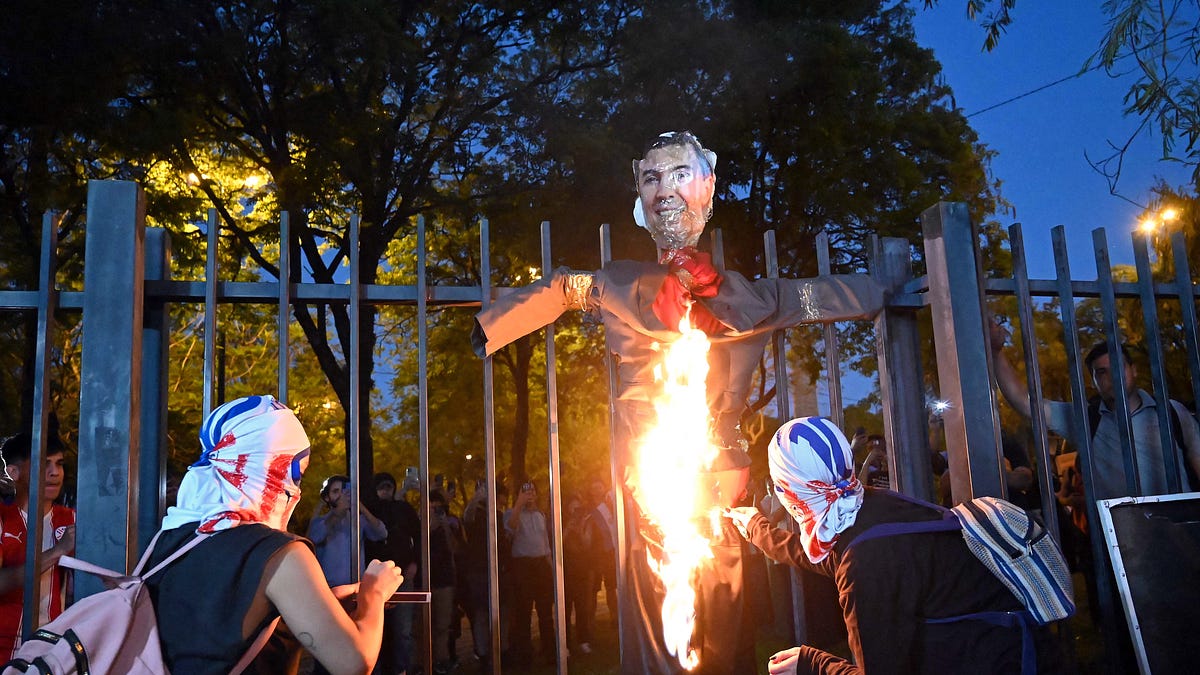
The instability is not confined to the Middle East or Washington. In Asuncion, Paraguayan President Santiago Peña resigned his office on Thursday amid a banking collapse and widespread allegations of corruption. The resignation followed days of intense public unrest, culminating in demonstrators burning images of the president near the National Congress on November 5.
The resignation marks a significant shift in South American regional politics, occurring as the United States continues to exert pressure through new sanctions on Cuba. Elsewhere, the global security environment remains strained by ongoing conflicts, including Russian strikes that caused power outages across seven Ukrainian regions and the death of 53 people in an attack on an aid center. As nations navigate these overlapping crises, the focus remains on whether diplomatic channels can contain the spread of these multiple, simultaneous conflicts.
Keep reading
- Thomas Markle Sr. faces federal charge for child abuse material
- How the Middle East Crisis and Energy Transition Are Reshaping Asia-Pacific Jobs
- Federal judge temporarily halts construction of Trump triumphal arch (newsarchyuk.com)
- Trump Predicts Massive Deal with Russia to Reshape European Security System (archyde.com)

Thomas Markle Sr. faces federal charge for child abuse material
Federal Agents Arrest Thomas Markle Sr. in Florida Thomas Markle Sr., the 82-year-old father of the Duchess of...
How the Middle East Crisis and Energy Transition Are Reshaping Asia-Pacific Jobs
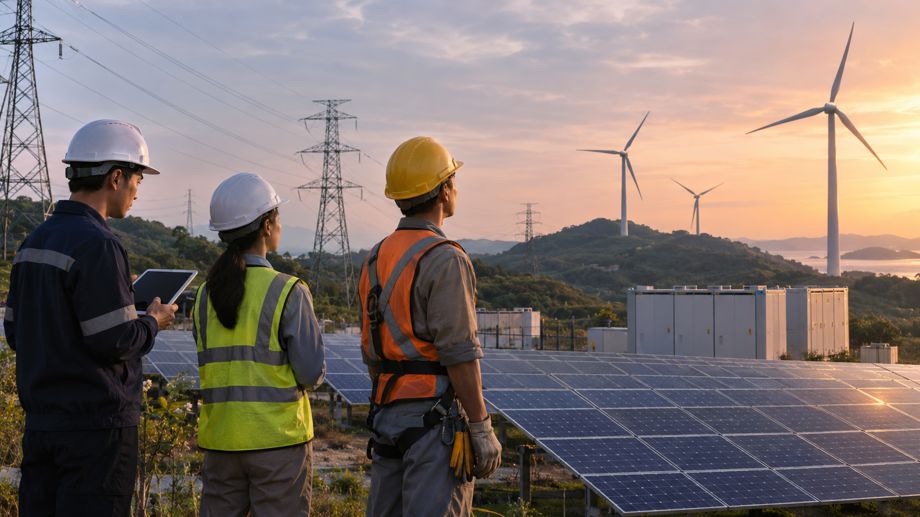
Middle East Crisis Exposes Asia-Pacific Energy Vulnerability The intensifying crisis in the Middle East is doing more than...
Gevorg Tamamyan Interview: A Vision for WHO Reform, Financial Sustainability, and Global Health Equity
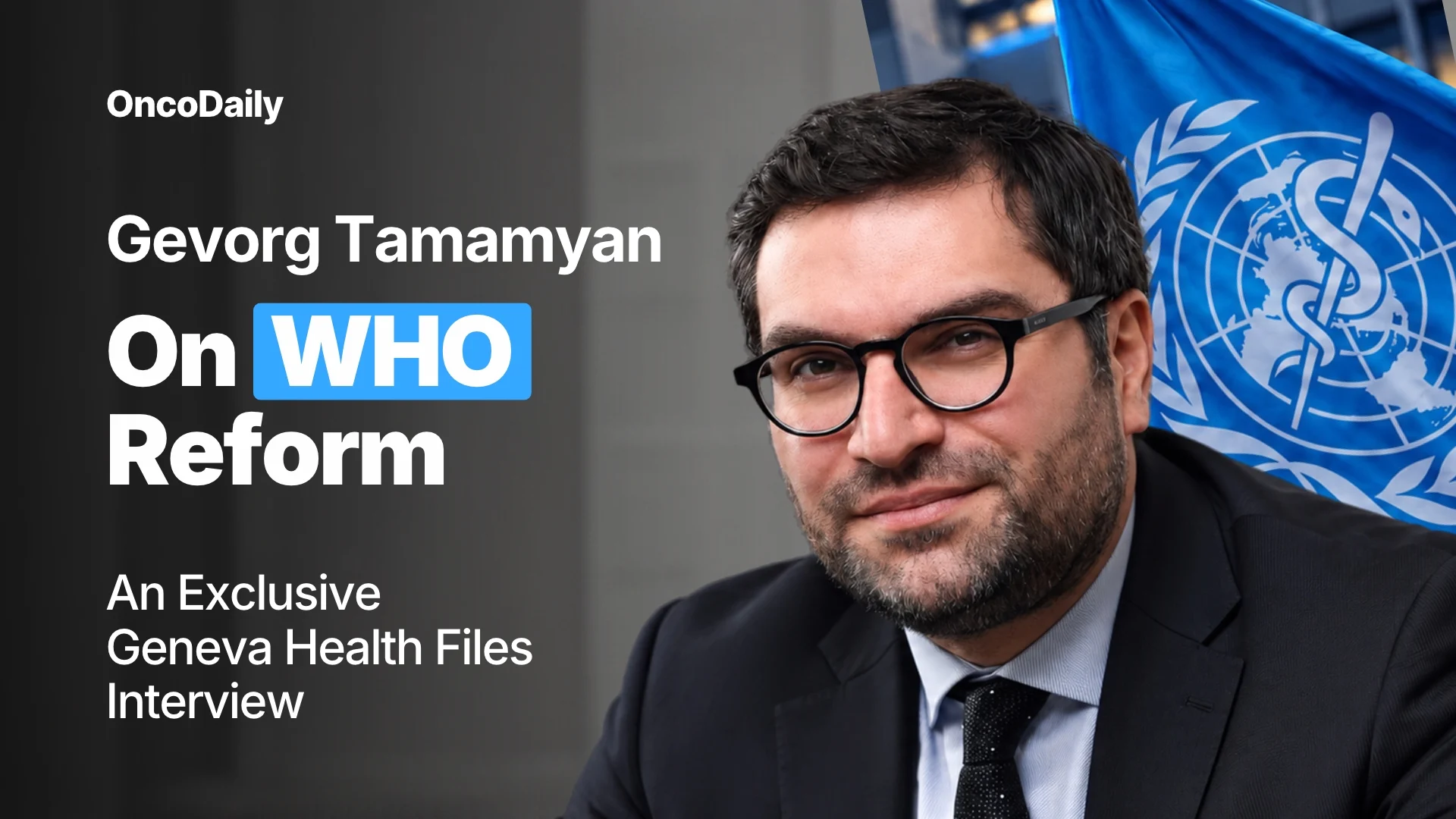
Gevorg Tamamyan Outlines Vision for WHO Reform Following Botswana Nomination As the World Health Organization enters a critical...

Micheál Martin to attend first Taoiseach visit to PSNI ceremony
Taoiseach Micheál Martin Marks Quarter-Century of Northern Ireland Policing Micheál Martin will today become the first Taoiseach to...