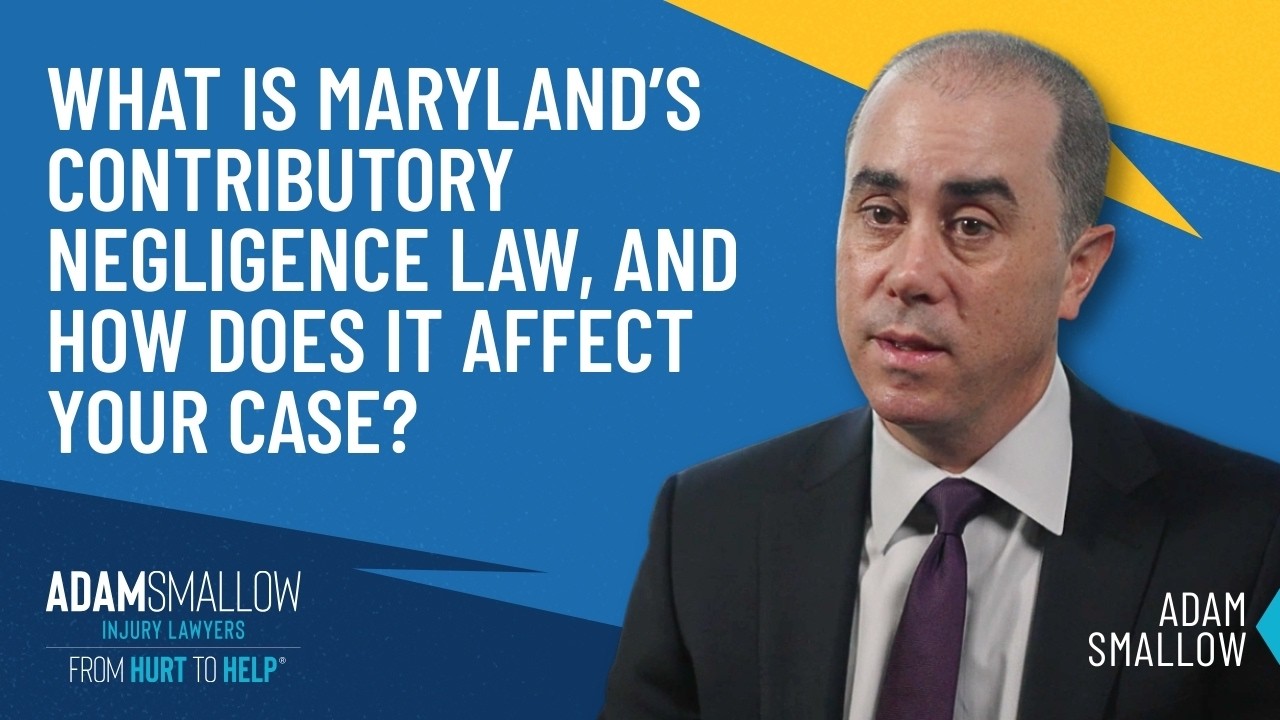
Maryland remains one of the few states where an injured person found even 1 percent at fault recovers nothing, a rule the Court of Appeals declined to abolish in Coleman v. Soccer Ass’n of Columbia, 432 Md.
679 (2013).
A 2026 bill to adopt comparative negligence for pedestrians, cyclists and other vulnerable road users, House Bill 466, was referred to interim study by the House Judiciary Committee on March 19 and did not become law, Posey Lebowitz reported.
The doctrine of last clear chance provides a narrow exception. Under Burdette v. Rockville Crane Rental, Inc., 130 Md. App. 193 (2000), a contributorily negligent plaintiff may recover if the defendant was negligent, the plaintiff was negligent, and the plaintiff shows “something new or sequential” that gave the defendant “a fresh opportunity” to avoid the harm and the defendant failed to use it. The court held that “the acts of the respective parties must be sequential and not concurrent.”
In Carter v. Senate Masonry, Inc., 156 Md. App. 162 (2004), a forklift operator saw a plumber kneeling near a scaffold, paused, then placed a pan of mortar on cinder blocks set without a pallet. Blocks fell and struck the plumber. The jury found both men negligent but also found the masonry company had the last clear chance. A divided appellate court reinstated the verdict, reasoning the operator “controlled the final force that brought about this accident” and “could have refused to move his vehicle as long as Carter remained in danger.”
The rule is applied strictly. In Burdette, a pickup driver was traveling 85 mph in a 40 mph zone when a motorist turned left in front of him. The court affirmed a defense verdict, holding his speeding was “concurrent” with her turn and that once he saw her car he had no fresh opportunity to avoid the collision. In Wooldridge v. Price, 184 Md. App. 451 (2009), a skateboarder entered a street from a driveway and was struck “almost instantaneously,” barring the rule.
Evidence that establishes timing — what the other party saw, when they saw it, and how much time they had to stop, swerve, warn or hold still — is often lost early. Witness accounts should be collected quickly. Video from nearby businesses, buses and traffic cameras is often overwritten within days or weeks.
The other side’s own account can prove the timing, as the forklift operator’s testimony did in Carter. A recorded statement to the other side’s insurer can be used to establish contributory negligence.
Most Maryland injury claims must be filed within three years.
Keep reading

Georgia Bulldogs Shut Out Georgia Tech 63-0, Extend Rivalry Streak to Nine Games
Georgia shut out Georgia Tech 63-0 on Saturday at Sanford Stadium, completing the Bulldogs' first shutout of the...
Des Moines Family Decorates Tree for Son at Festival of Trees & Lights
A Des Moines family decorated a tree for their son at the 43rd annual Festival of Trees &...
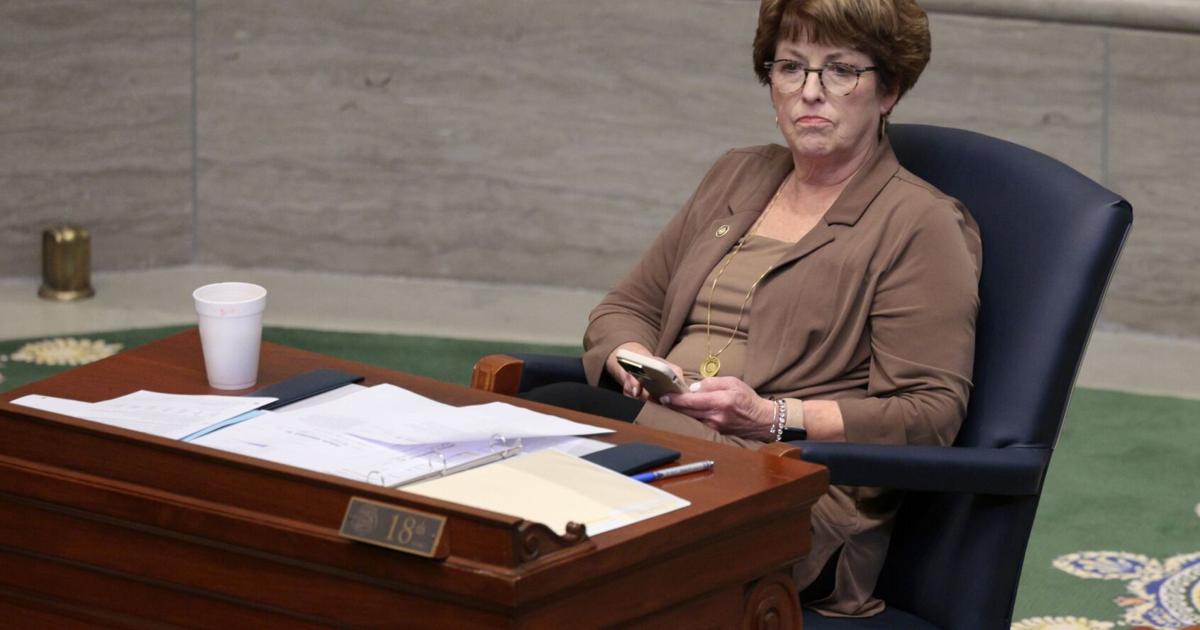
Board Names Legislator Interim Education Chief, Breaking Precedent
Missouri's State Board of Education named Senate President Pro Tem Cindy O'Laughlin as interim education commissioner last week,...

Ware, Rollins Lead Bucks Past Thunder 119-111 for 3-18 Record
Milwaukee Bucks center Kel'el Ware scored a career-high 30 points with 13 rebounds, and Ryan Rollins added a...