Maryland Insurance Commissioner Marie Grant is reviewing auto insurance rates after the administration received 3,559 driver complaints this year, many from urban areas where premiums shift dramatically across a single ZIP code boundary. The review targets territorial rating practices and whether a state-backed low-cost program could make mandatory coverage affordable.
Tyrone Moore, a 60-year-old retired employee from Park Heights, said his liability-only premium hit $600 a month this summer. He parked his paid-off 2015 Lincoln SUV.
“I own the vehicle; I can’t drive it,” Moore told WBAL. “Insurance (is) so crazy; I can’t afford it. (The car) was affordable; it’s not affordable now to drive.”
Why rates are so high
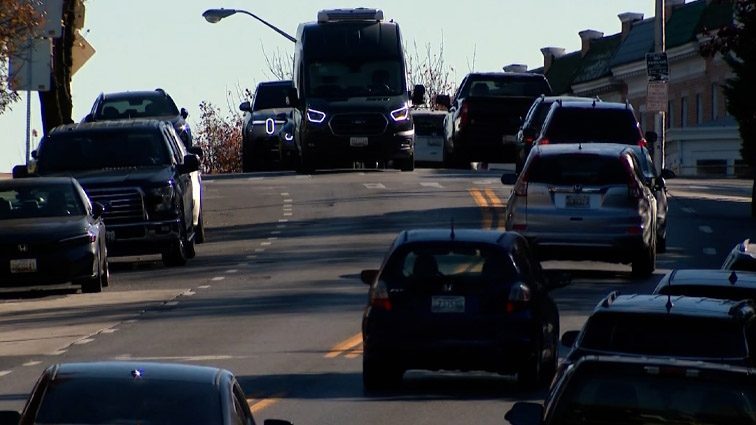
Grant cited dense traffic, long commutes, accident frequency, vehicle theft, and the rising cost of repairing technology-laden cars. She also pointed to territorial rating — where a driver’s address, sometimes down to the street level, drives the premium.
“Even how if you cross from one ZIP code to another, even if you’re just crossing the street, you’re seeing big shifts,” Grant told WBAL.
Non-driving factors
Marceline White, executive director of the Economic Action Maryland Fund and a member of the MIA work group, said credit scores and marital status also affect pricing. She referenced a study with the Consumer Federation of America:
“The more white a ZIP code is, the less they pay, and the more Black members live in the community, the more they pay,” White told WBAL.
What the state is doing
The MIA work group — comprising Grant, a state senator, a state delegate, industry representatives, and consumer advocates — is examining approaches used in other states and Washington, D.C. One option under review is a low-cost auto insurance program.
“The General Assembly needs to take bold actions to address affordability,” White told WBAL. Moore questioned the group’s composition: “Where is the regular person? Where’s me?”
The work group will make recommendations to lawmakers for the next legislative session. Moore, now relying on rides from family and neighbors, has applied for the Maryland Transit Administration’s Mobility bus service.
“The light at the end of the tunnel (is) having faith and believing things will get better,” he told WBAL.
MPR Hunts Publishes Texas Exotic Hunt Pricing From $850 to $45,000
Texas exotic hunt pricing ranges from an $850 aoudad ewe add-on to $45,000 plus for a bongo, mprhunts.com...

NH Secretary of State David Scanlan Makes Reelection Pitch to Democratic Legislature
In a column for New Hampshire Express, former Democratic leaders urged lawmakers on Monday to reelect Secretary of...

Charleston Spots Offer Takeout Specials for Cinco de Mayo Taco Tuesday
Taco Tuesday meets Cinco de Mayo with take-out options priced from $10 house margarita mixes to $65 party...

Lincoln Grand Cinema Lists New Films, Student Discounts, Holiday Screenings
Moviegoers visiting Lincoln Grand Cinema can choose from an extensive lineup of new films, holiday screenings, and special...