
“This is a joke list,” said Kim Panton, a PANS/PANDAS advocate and mother of two adult sons who received care at Mass General Brigham. Her reaction follows a chaotic series of communications from the hospital system, which confirmed that Dr. Kyle Williams, one of two physicians primarily treating PANS/PANDAS patients at the institution, will leave the hospital at the end of the year.
The departure of Dr. Williams comes as a secondary blow to families already reeling from a decision made less than three months ago to shutter the PANS/PANDAS program at Mass General Brigham for Children in January. While the hospital initially suggested that patients could maintain continuity of care within the MGB system, the loss of a primary specialist creates a precarious gap for children facing severe, disabling neuroinflammatory symptoms.
A “confusing” path to continuity
Despite the retraction, MGB confirmed that Williams is indeed leaving by the end of December.
Jennifer Vitelli, executive director of the Massachusetts-based advocacy group Look. Foundation, described the situation as “incredibly confusing,” noting that families are now just 65 days away from the program’s official closure while remaining in limbo.
One of the few doctors providing care for children with PANS/PANDAS will be leaving the Mass General Brigham hospital system at the end of the year, when the specialized treatment program will also shut down. https://t.co/lnYqQ8ylRO
“A list of providers they may not be able to access or afford is not continuity of care. They need specific physician names, referrals, appointments, and a clear plan now.” — Jennifer Vitelli, Look. Foundation
The medical stakes of the “two-prong” approach
To understand why the loss of a specific doctor like Williams is so disruptive, one has to look at the nature of PANS (Pediatric Acute-onset Neuropsychiatric Syndrome) and PANDAS (Pediatric Autoimmune Neuropsychiatric Disorders Associated with Streptococcal Infections). These conditions aren’t just psychiatric; they are inflammatory medical crises. Treatment typically requires a dual-track strategy: addressing the biological trigger while managing the behavioral fallout.
The medical side often involves antibiotics or anti-inflammatory drugs like ibuprofen. In more severe cases, patients require intravenous immunoglobulin (IVIG)—infusions of healthy antibodies to calm the immune system. Simultaneously, the psychiatric side is managed through cognitive behavioral therapy or antidepressants.
Jessica Purcell, a mother of two children receiving care at MGB, credited Dr. Williams with getting her children the necessary antibiotics and anti-inflammatories. Without that specific medical intervention, she said, her family wouldn’t be on the right track.
A scarcity of specialized care
The closure of the MGB program is particularly acute because such multidisciplinary clinics are rare nationwide. When the program ends, the burden of finding a new provider falls on families who are already dealing with a medical community that is often skeptical of these diagnoses. It is common for sick children to be referred to psychiatric services first, ignoring the underlying inflammatory cause.
MGB provided a list of five alternative care options, but advocates say the list is impractical. One option is a clinic at Dartmouth Health Children’s in Lebanon, New Hampshire—a significant distance for many Massachusetts residents. Another is Dr. Yujuan (Julia) Zhang at Tufts Medical Center, a pediatric rheumatologist who has seen over 580 PANS/PANDAS patients in two years but already maintains a waiting list that stretches for months.
The hospital maintains that other providers within its child and adolescent psychiatry department, pediatric infectious disease specialists, and primary care providers can handle the care. They insist that closing the formal program does not mean they are dismissing the children’s symptoms.
The gap between law and access
In Massachusetts, state law requires insurance to cover care for PANS and PANDAS, including the very treatments that some medical bodies view with caution.
The American Academy of Pediatrics (AAP) has called PANS a “likely valid diagnosis” in a recent clinical report, but the organization also noted that more research is needed and expressed concerns regarding some widely used treatments.
For parents like Kim Panton, whose son recently required IVIG treatment after a return of symptoms, the distinction is everything. The psychiatric support is vital, but it only manages the symptoms; the medical treatment is what addresses the cause.
Keep reading

Early Black Friday Unlocked Phone Deals Launch on Amazon
Unlocked smartphone discounts from Google, Samsung, and other manufacturers launched early for the 2026 holiday season.
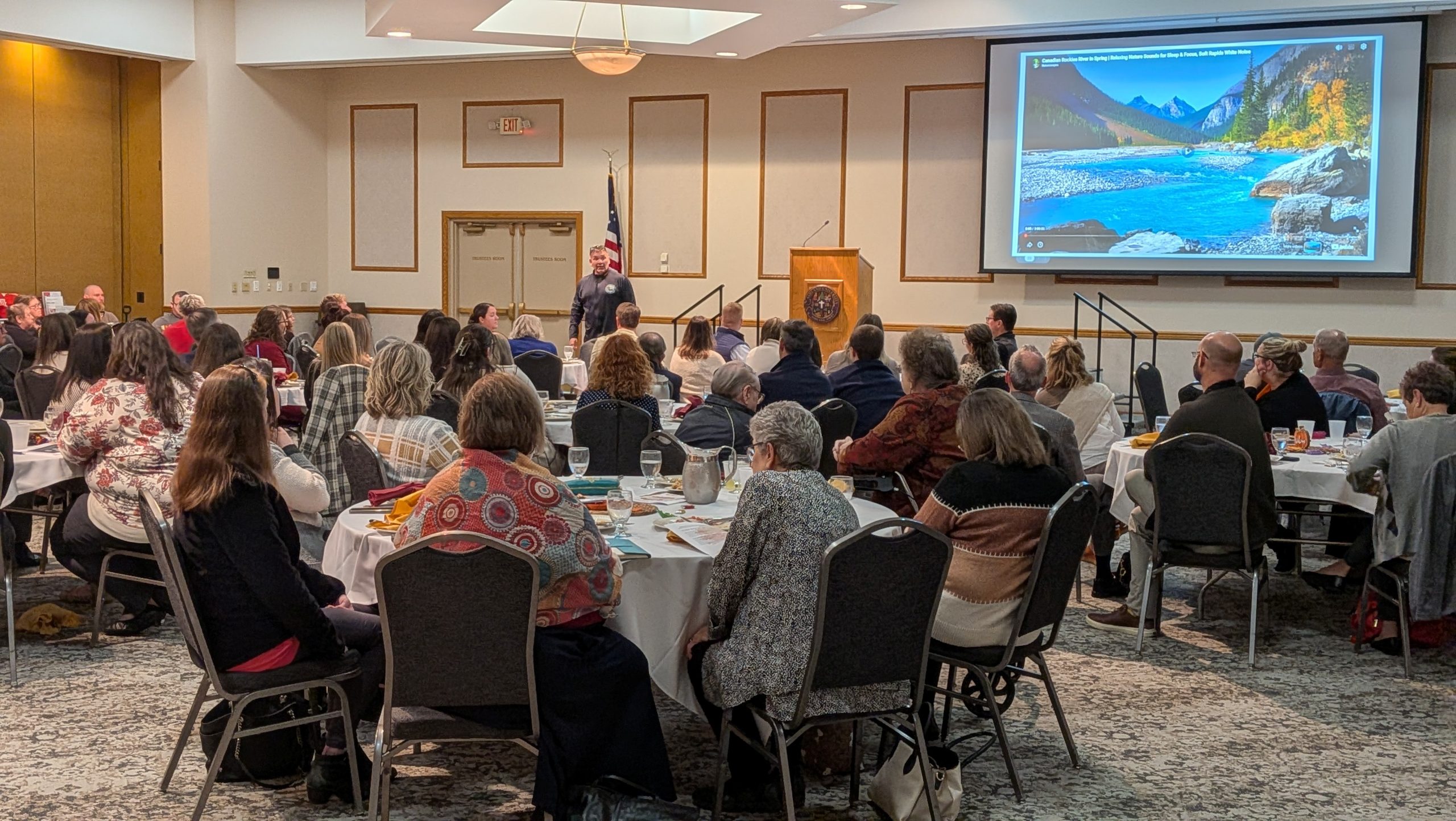
Ashland County Mental Health & Recovery Board Celebrates Community Care Partners
More than 80 community leaders, providers, and volunteers gathered on October 21 for the Mental Health & Recovery...
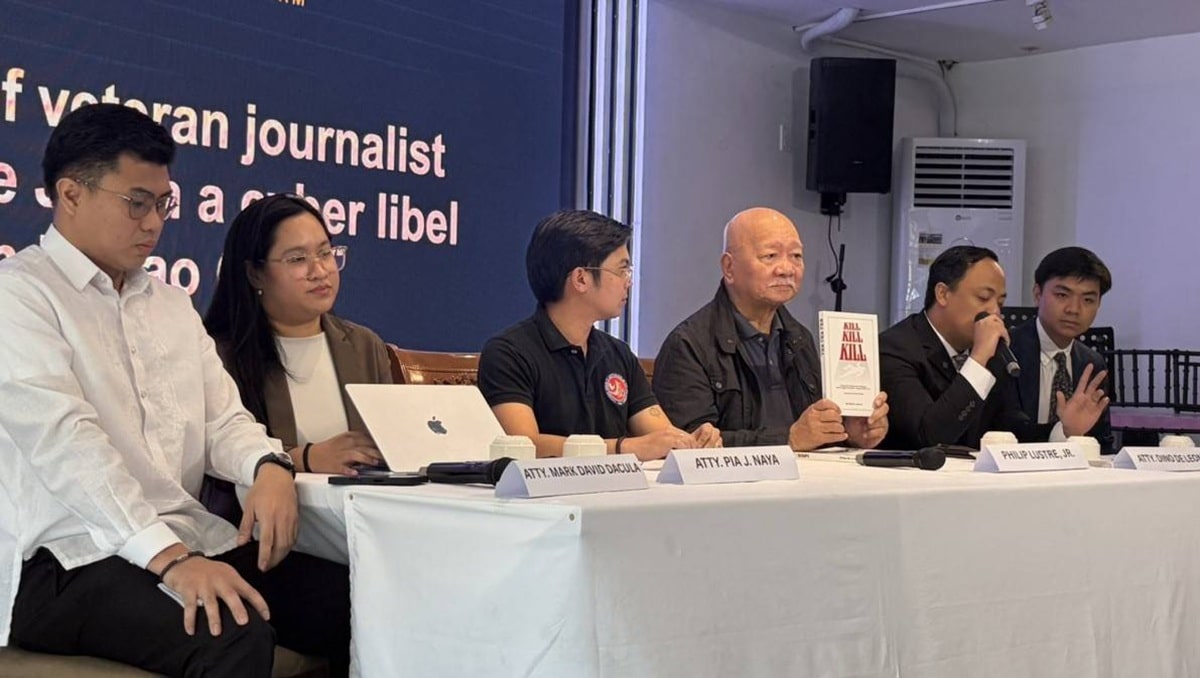
Journalist Philip Lustre Jr. Seeks Venue Change in Cyberlibel Case Filed by VP Sara Duterte’s Husband
Philip Lustre Jr., a 72-year-old veteran journalist, is fighting to move his cyberlibel trial from Davao City to...

India to cut retail prices of 543 anti-cancer medicines by up to 90%
India is preparing to slash the retail prices of 543 brands of anti-cancer medicines by up to 90...