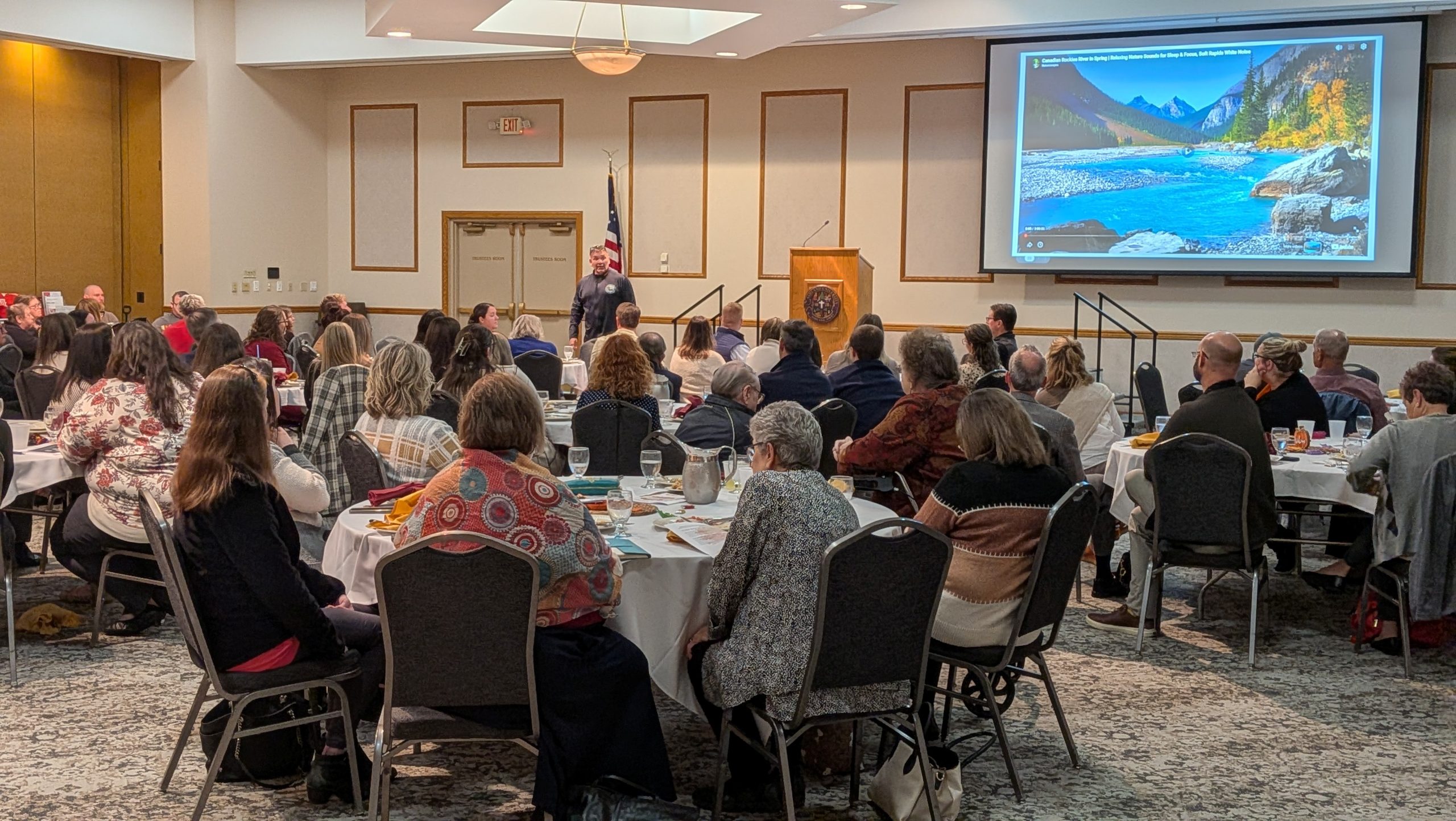
More than 80 community leaders, providers, and volunteers gathered on October 21 for the Mental Health & Recovery Board (MHRB) of Ashland County’s annual luncheon, an event designed to recognize the individuals driving substance use prevention and recovery support in the region, Ashland Source reported.
The gathering served as a critical touchpoint for the county’s mental health infrastructure, bringing together figures such as Ashland Mayor Matt Miller, Judge Karen DeSanto Kellogg, and former prosecutor Robert DeSanto. The event highlighted a collaborative ecosystem where government officials and private providers intersect to manage the psychological and behavioral health of the local population.
By celebrating the “people behind the care,” the MHRB is reinforcing a model of decentralized, community-led recovery.
The Infrastructure of Local Recovery
The MHRB does not operate in a vacuum. The board relies on three primary contract agencies to execute its strategic plans: Appleseed, ACCADA, and Catholic Charities. These organizations act as the frontline, translating high-level board policy into direct patient care and recovery support for Ashland County residents.
The luncheon marked the departure of Nancy Udolph, who stepped down after 17 years of service.

“Mental health and recovery are not the responsibility of one agency or one profession. They are community responsibilities, and meaningful progress happens when we work together,” said Alyse Schroeder, MHRB director of programs, training, and education.
Nature as a Clinical Tool
Dan Mager, director of the Ashland County Park District, served as the keynote speaker for the event. Mager, a lifelong resident with a background in public safety and youth coaching, focused on the intersection of environmental access and mental well-being.
The timing of this discussion is particularly relevant as the region enters the autumn and winter months. While the MHRB focuses on systemic support, the biological reality of seasonal shifts often increases the demand for these services. The transition to shorter days can trigger significant mood shifts for a portion of the population.
Seasonal Affective Disorder Increases Winter Sleep
While the Ashland community celebrates its support networks, the broader clinical context of October and November involves managing Seasonal Affective Disorder (SAD). According to reporting from The Conversation, approximately 3% of the population in some regions experiences this form of depression, characterized by recurring episodes that begin in autumn and improve in spring.
The physical manifestations of this shift are documented. Research from 2025 involving more than 116,000 adults indicated that individuals in the northern hemisphere typically slept about 15 to 20 minutes more during winter than they did in summer (PubMed). This biological slowdown often manifests as irritability, difficulty concentrating, and intense cravings for carbohydrates.
For those who have experienced SAD on multiple occasions, beginning treatment at the onset of autumn often yields the best results. These include:

- Light Therapy: Utilizing 10,000-lux lightboxes for 30 minutes each morning.
- Cognitive Behavioral Therapy (CBT): Strategies specifically adapted to combat “winter thought traps.”
- Environmental Exposure: Prioritizing outdoor daylight, even on cloudy days, to synchronize the body’s internal clock.
Researchers Debate Evolutionary Causes of Winter Shifts
There is a persistent debate among researchers regarding why these shifts occur. Some, as noted by The Conversation, hypothesize that increased appetite and sleep during dark months reflect an inherited evolutionary tendency to conserve energy when food was historically scarce. However, this remains a hypothesis and is difficult to test in modern humans.
From a civic perspective, the challenge is ensuring that “winter blues” are not dismissed as mere tiredness.
Connie Serves Ashland County for 25 Years
The event also recognized Connie’s nearly 25-year tenure on the MHRB.
The luncheon concluded with a reflection on the power of small, committed groups to effect systemic change. For Ashland County, that change is measured not in grand policy shifts, but in the steady presence of providers and volunteers who ensure that no resident has to face a mental health crisis in isolation.
Related reading

Spike in demand to nurse advice line leads to AI launch – Nursing Times
In response to a 1,141% rise in inquiries to its nurse-led advice line, the Eve Appeal has launched...

Cape Canaveral in its “boom cycle” of launches
SpaceX has paused Florida Falcon 9 launches for at least six weeks following an Oct.

Galway student aims to uncover why bowel cancer resists immunotherapy – Connacht Tribune
Nial O'Reilly, a PhD researcher at the University of Galway, is investigating why colorectal cancer cells evade immunotherapy...

Turtle returns to sea after 22 years at Kerry aquarium – RTE.ie
After spending twenty-two years living in a shark tank at the Dingle Oceanworld Aquarium, a loggerhead sea turtle...