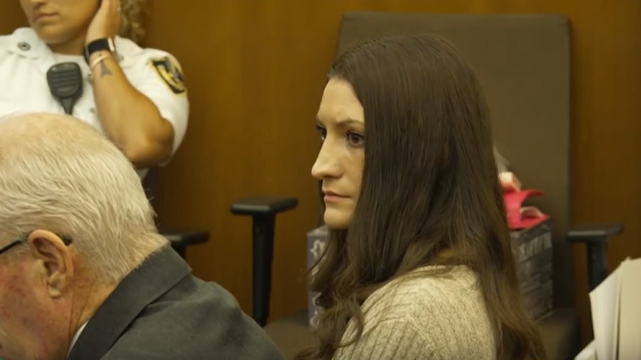
“This Appeal will address whether a defendant has a double jeopardy clause protection against facing the perils and burdens of a second trial when, in the prior trial, a trial court declines to question jurors who have disclosed that one of their members was unable to follow and apply the law,” defense attorney Martin Weinberg said in a statement emailed to reporters.
The Massachusetts Supreme Judicial Court agreed Thursday to hear Lindsay Clancy’s appeal seeking to throw out her triple murder case before a retrial set for March 2027.
The decision by Justice Elizabeth Dewar sends the case to the full seven-justice bench, putting the March 29 retrial date in jeopardy while the high court weighs whether Plymouth Superior Court Judge William Sullivan improperly declared a mistrial in September.
Clancy, 36, is charged in the January 24, 2023, deaths of her three children — 5-year-old Cora, 3-year-old Dawson and 8-month-old Callan — at the family’s Duxbury home. Her attorneys argue she was not criminally responsible because of postpartum psychosis.
The first trial ended after seven days of deliberations when the jury foreperson sent notes indicating a single holdout juror would not agree that Clancy was not criminally responsible. Judge Sullivan declared a mistrial without questioning that juror, a move the defense says violated Clancy’s double jeopardy protections.
“Respectfully, contrary to the trial court’s stated belief at the time, it did have viable choices other than declaring a mistrial,” Clancy’s lawyers wrote in their 55-page petition to the SJC.
Prosecutors countered that Sullivan acted properly to avoid coercing the dissenting juror or exposing private deliberations. “The judge here took every possible tack to address the foreperson’s notes while avoiding the risk of pressuring the dissenting juror or exposing the jury’s private deliberations,” Assistant Plymouth County District Attorney Melissa Johnsen wrote in the Commonwealth’s filing.
Johnsen added that dismissing the case “would altogether extinguish the Commonwealth’s ability to honor the rights of Cora, Dawson, and Callan Clancy.”
Sullivan denied the defense motion to dismiss last week, concluding that further questioning “would undoubtedly have a coercive effect.” He also rejected defense requests for the holdout juror’s court records and phone records. The SJC has set a briefing schedule: Clancy’s brief is due December 3, the Commonwealth’s response December 17, and any reply by December 28. Oral arguments are slated for January 2027.
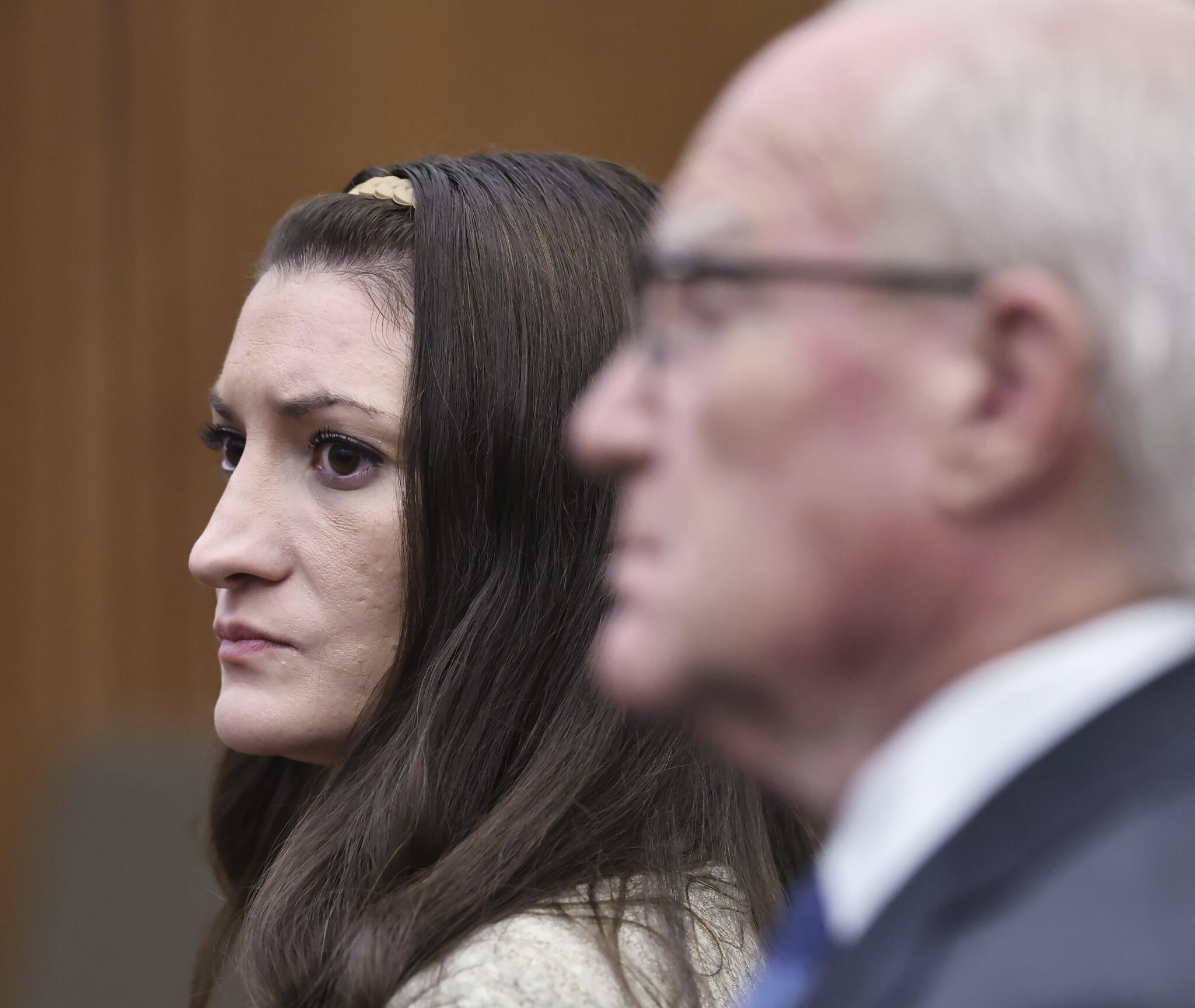
“I feel bad for Lindsay. I feel bad for her family. I feel bad for the jurors that haven’t been picked yet. I feel bad for everybody that has anything to do with this case. It’s very emotional, it’s very distressing, but nevertheless we got to get it done,”
The case has drawn national attention to postpartum psychosis, a rare but severe perinatal mood disorder. Clancy’s team maintains the holdout juror signaled an inability to follow the court’s reasonable doubt instruction, a claim the judge chose not to investigate.
The high court’s review will test the boundaries of judicial discretion when a jury deadlocks over a defendant’s mental state — and whether the Constitution bars a second attempt at conviction when the first collapsed over a single juror’s resistance.
The Massachusetts Supreme Judicial Court, the Commonwealth’s highest court, traces its origins to the Superior Court of Judicature established in 1692 under the Province of Massachusetts Bay charter, a lineage that makes it the oldest continuously functioning appellate court in the Americas.
The court is composed of six associate justices and one chief justice, all appointed by the governor with the approval of the Governor’s Council. It is known for interpreting the Massachusetts Constitution to provide broader civil liberties protections than federal courts and holds the distinctive authority to issue advisory opinions to the governor and legislature on constitutional questions.
Arguments in January will come nearly four years after the children’s deaths. The retrial remains on the calendar for March 29, 2027, unless the full court orders otherwise.
Lindsay Clancy, the Massachusetts mother who argues she should not be held criminally responsible for killing her three children, is slated to face a second trial beginning on March 29, 2027, less than a year after her first trial ended with a hung jury. https://t.co/BvSehxeo6q pic.twitter.com/XAHxJKcaau
Related reading

Chicago Holiday Season Opens Nov. 20 With Free Tree Lighting, Skating, Parades
Chicago's holiday season opens on Nov. 20 with the 113th Christmas tree lighting in Millennium Park, kicking off...
Volpe Appoints Patrick Springer Deputy Fire Chief Effective Dec. 1
Patrick Springer takes over as deputy fire chief on Dec. 1, filling the vacancy left when Daniel Volpe...

West Tennessee Healthcare, Le Bonheur Expand Pediatric Care in Paris, Dyersburg
"Bringing these services closer to the families who need them is incredibly important to us," said Deena Kail,...

Orchestra Noir Marks 10th Anniversary With R&B and Hip-Hop Classical Arrangements
Atlanta’s Orchestra Noir marks a decade of reframing the symphonic canon this Friday, turning the Cobb Energy Performing...