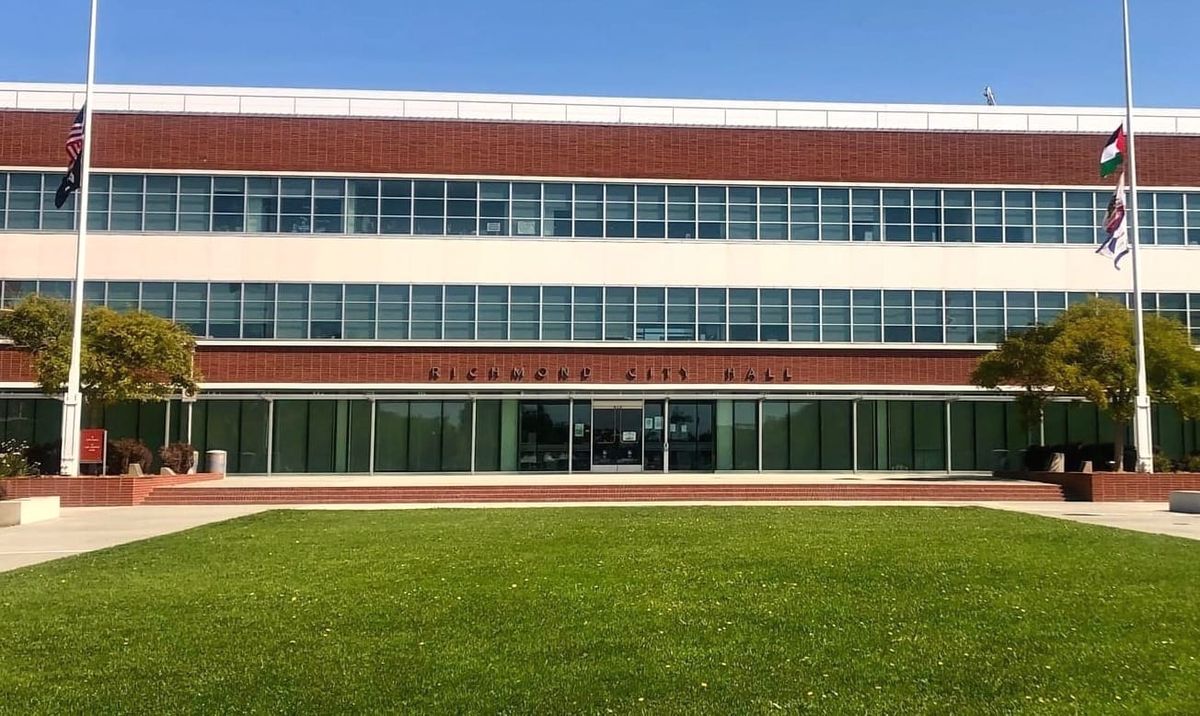
A federal judge in New York dismissed JPMorgan Chase’s lawsuit against the City of Richmond on Monday, clearing the way for the California city to pursue claims that the bank and others sold it illegal interest-rate swaps tied to pension bonds.
U.S. District Judge Victor Marrero rejected the bank’s argument that a 2015 antitrust settlement barred Richmond’s current case, ruling that the earlier deal covered only swaps linked to tax-exempt debt, not the federally taxable bonds at issue here. A federal judge in New York dismissed JPMorgan Chase’s lawsuit against the City of Richmond, closing the New York action and leaving Richmond’s broader lawsuit alive in San Francisco federal court.
The ruling is a procedural win for a city that has spent nearly two decades unwinding financial deals it says were predatory from the start. Richmond alleges Bear Stearns — acquired by JPMorgan in 2008 — sold the swaps in 2007 while concealing the bank’s own fragility and the looming collapse of the auction-rate securities market that underpinned the transactions. The city says it paid more than $60 million to exit five swap agreements.
“Simply put, a tax-exempt debt offering does not mean a federally taxable offering, even if that offering is exempt from state tax,” Marrero wrote in his November 17 order. He added that JPMorgan’s arguments “contort the text” of the settlement “to bar an action concerning different financial instruments and different conduct.”
The 2015 settlement resolved claims by Richmond and other California municipalities that JPMorgan and other banks rigged bids and fixed prices on municipal derivatives. As part of that agreement, Richmond released claims over certain financial transactions.
But Marrero found the pension bond swaps fall outside that release because Richmond’s bonds are subject to federal tax, even though they are exempt from state tax. Law360 confirmed the judge’s reasoning turned on that distinction.

Richmond filed its current suit in March 2025 against JPMorgan, Royal Bank of Canada, and two former financial advisors, Public Resources Advisory Group and The Majors Group. The city invokes the California False Claims Act, which allows recovery of up to three times actual losses. RBC took over the swaps in 2016.
The complaint alleges the swaps failed to meet two credit-rating requirements mandated by state law, rendering them illegal from inception. It also accuses Bear Stearns of knowing the auction-rate market was about to freeze and that the bank itself was in financial trouble, yet proceeding with the deals without disclosing those risks.
JPMorgan sued in February in the same New York court that oversaw the 2015 settlement, seeking to enjoin the Richmond case. The bank argued the pension bonds qualified as tax-exempt debt under the settlement because of their state tax exemption. Marrero disagreed, noting the settlement language referenced the tax-exempt marketplace governed by federal law.
The judge also rejected the bank’s contention that Richmond could have raised its false-claims allegations in the earlier antitrust case. That litigation, Marrero wrote, concerned “industry-wide anticompetitive conduct,” while the current suit targets specific misrepresentations and the alleged illegality of the swap contracts themselves.
“The Court is not persuaded that the parties intended for the Settlement Agreement to foreclose unrelated lawsuits,” he wrote.
The ruling does not decide the merits of Richmond’s underlying claims. That case proceeds before U.S. District Judge Charles Breyer in San Francisco. JPMorgan has 30 days from entry of judgment to appeal to the 2nd U.S. Circuit Court of Appeals.
JPMorgan Chase traces its earliest predecessor to the Bank of the Manhattan Company, founded by Aaron Burr in 1799 after slipping a banking clause into a water-supply charter.
The modern firm emerged from the 2000 merger of J.P. Morgan & Co. and Chase Manhattan, then absorbed Bear Stearns in 2008 during the financial crisis. Today it is the largest U.S. bank and the world’s largest by market capitalization, with $4 trillion in assets as of 2026.
City leaders have pointed to the litigation as a catalyst for exploring a public bank.
Keep reading

Chicago Holiday Season Opens Nov. 20 With Free Tree Lighting, Skating, Parades
Chicago's holiday season opens on Nov. 20 with the 113th Christmas tree lighting in Millennium Park, kicking off...
Volpe Appoints Patrick Springer Deputy Fire Chief Effective Dec. 1
Patrick Springer takes over as deputy fire chief on Dec. 1, filling the vacancy left when Daniel Volpe...

West Tennessee Healthcare, Le Bonheur Expand Pediatric Care in Paris, Dyersburg
"Bringing these services closer to the families who need them is incredibly important to us," said Deena Kail,...

Orchestra Noir Marks 10th Anniversary With R&B and Hip-Hop Classical Arrangements
Atlanta’s Orchestra Noir marks a decade of reframing the symphonic canon this Friday, turning the Cobb Energy Performing...