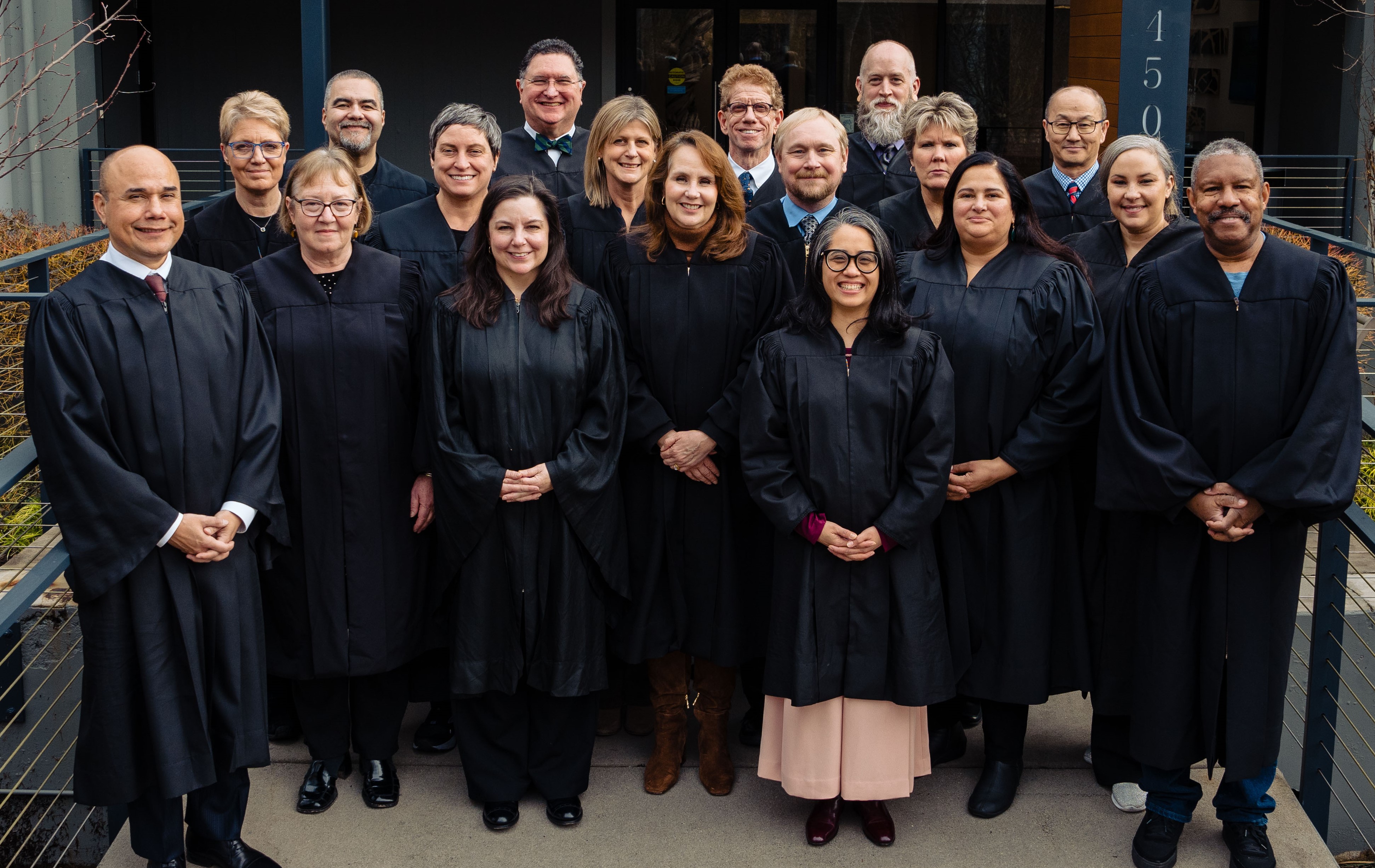
A federal court in Massachusetts has struck down a Department of Homeland Security rule that would have ended open-ended admission for international students and scholars, then blocked agency guidance restricting curricular practical training to required coursework.
U.S. District Judge F. Dennis Saylor IV granted summary judgment to plaintiffs on Nov. 16, 2026, voiding the July 17, 2026, final rule that set fixed admission periods and a new extension-of-stay process for F, J and I visa holders.
The court held the rule was arbitrary and capricious under the Administrative Procedure Act because DHS failed to consider using existing SEVIS tools as a less burdensome alternative and exceeded its statutory authority by limiting academic programs.
“DHS was seeking to prevent or discourage the very activity Congress sought to permit and encourage,” the court wrote, relying on the D.C. Circuit’s decision in Washington Alliance of Technology Workers v. DHS. The rule would have barred extended study such as Ph.D. programs, joint degrees and changes in academic concentration.
One day later, the same court stayed two August 2026 SEVP Broadcast Messages nationwide and preliminarily enjoined their enforcement against the plaintiffs and their members. The broadcasts had reinterpreted 8 C.F.R. § 214.2(f)(10)(i) to allow CPT only for training required of all students in a degree program, reversing a 35-year position that elective, for-credit training qualified.
The court found plaintiffs likely to succeed on their arbitrary-and-capricious claim because SEVP abandoned its longstanding interpretation without acknowledging the change or considering institutions’ and students’ reliance interests. It rejected the government’s argument that the broadcasts were mere reminders of existing requirements, finding the record showed a departure from prior policy.
Plaintiffs in the first case include three higher-education organizations and four labor groups, one representing journalists. The second suit was filed by four associations representing colleges, universities and international educators. Many institutions had already denied or rescinded CPT authorizations in response to the broadcasts.
Institutions should continue administering F and J programs under the existing framework and pause implementation work based on the vacated rule. Employers should not change onboarding or workforce planning based on the rule, and should confirm with schools whether CPT authorizations denied under the broadcasts may be reinstated.
The Student and Exchange Visitor Program (SEVP), operating within U.S. Immigration and Customs Enforcement under DHS, manages foreign students and exchange visitors in the United States through the Student and Exchange Visitor Information System (SEVIS).
The program encompasses F status for academic students, J status for exchange visitors, and M status for vocational students, maintaining the SEVIS records necessary for individuals to receive F, J, or M visas, though SEVP does not issue the visas themselves.
DHS’s appeal of the preliminary injunction in the first case was pending in the First Circuit when the summary judgment issued, and the final judgment may be appealed. The CPT case will proceed on the merits, including claims the court did not reach at this stage.
Related reading

Small Plane Crashes in Louisville Neighborhood, Pilot and Passenger Hospitalized
A single-engine Beech A36 crashed in a Louisville neighborhood Tuesday afternoon, seriously injuring the pilot and a passenger,...
U.S. Army Plans to Detonate 5 Tons of Lead Azide in Iowa, per Report
The U.S. Army plans to detonate nearly five tons of degraded lead azide explosives at 9 a.m. Wednesday...

North Dakota GOP Sues Over Primary Laws, Citing Association Right
The North Dakota Republican Party filed a federal lawsuit Monday challenging the state's open primary system, arguing it...

Big Blue Interactive: Giants Hold Off Jaguars 23-18 Behind McCarthy TD Pass
J.J. McCarthy threw a touchdown pass to Malik Nabers and Abdul Carter recorded two sacks as the New...