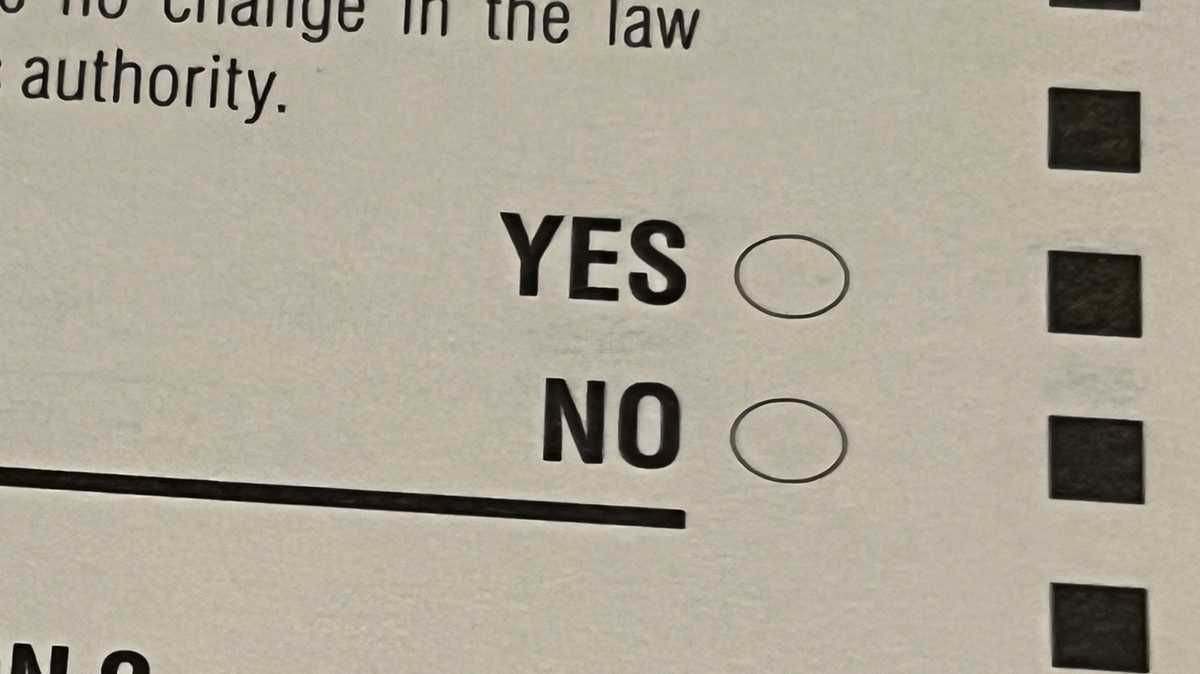
Massachusetts voters face a record-tying nine statewide ballot questions for the midterm election on Nov. 3, launching a complex multi-week certification and implementation timeline that extends well past Election Day.
The Mechanics of a Historic Ballot
Eight of the nine statewide questions are initiative petitions proposing new laws or governmental reforms, touching everything from tax rules and state audit powers to whether the Commonwealth should maintain retail marijuana. The ninth question operates as a referendum seeking to repeal the state’s latest update to gun control laws. According to data from the Secretary of the Commonwealth’s office, voters have approved 115 of the 192 ballot questions presented since the process was established by a constitutional amendment in 1918. Only three times in history—in 1994, 1976, and 1972—have voters faced a ballot featuring nine statewide questions. No election in state history has ever featured more.
To reach this point, committees backing each initiative needed to collect and submit at least 74,574 signatures last fall, followed by an additional 12,429 signatures by a July 1 deadline when the legislature declined to act. Local election officials must spend up to 15 days after the polls close investigating provisional ballots, counting eligible votes, and reviewing write-in ballots before certifying unofficial results. Once local certifications are complete, results go to the Secretary of State’s office, followed by final approval from the Governor and Governor’s Council.
Governor Healey Urges Voters to Keep Recreational Cannabis
Among the most fiercely contested measures is the push to repeal commercial recreational cannabis sales. Massachusetts Maura Healey urged voters to reject the prohibitionist ballot measure during a recent interview on WCVB-TV’s On The Record.
“I’d vote no,” Gov. Maura Healey said. “We’ve got to keep recreational marijuana here in Massachusetts.” “It’s an important industry, the cannabis industry,” the governor said. “And I hope the voters keep cannabis.”
Recent polling published by CommonWealth Beacon and conducted by MassINC Polling Group shows that 61 percent of likely voters oppose the initiative, while 27 percent favor it and 11 percent remain undecided. A separate survey by The University of New Hampshire showed 71 percent planning to vote against the repeal.
The Massachusetts Cannabis Control Commission noted that the state has surpassed $10 billion in adult-use purchases since the market launched in 2018. Commission Chair Chris Harding noted that a repeal of the adult-use industry could eliminate thousands of jobs, hundreds of businesses, and billions in tax revenue. Labor organizations, including the Service Employees International Union (SEIU) Massachusetts State Council, have similarly urged voters to reject the rollback.
Referendum Results Determine When New State Laws Take Effect
If the referendum attempting to repeal the state’s gun law succeeds through a majority voting no on Question 9, it takes effect immediately upon the final certification of election results. For the initiative petitions creating new laws, successful measures receive a chapter and section number from the Secretary of the Commonwealth. Under the state Constitution, these approved laws take effect 30 days after certification unless the measure specifies an alternate date.
Questions 1, 5, and 6 specify an effective date of Jan. 1, 2027, while Questions 3, 4, and 8 are slated for Jan. 1, 2028. Questions 2 and 7 carry no alternative dates and would take effect after 30 days if approved. History shows, however, that the ballot box is not always the final word. Lawmakers retain the authority to revise, repeal, or pass superseding measures, much like the legislative adjustments that followed the legalization of recreational marijuana a decade ago.
More on Secretary of the Commonwealth
Worth a look

Arkansas vs. Missouri: Why the Razorbacks Must Stop Losing the Battle Line Rivalry
Arkansas has lost 10 of its last 12 annual SEC matchups against Missouri, a stretch of dominance that...

Arizona Auto Theft Trends: The Rise of High-Value Vehicle Fraud
Arizona is seeing a paradoxical shift in auto theft: while official reports show the lowest number of stolen...

Why Alaska Is a Cheap Bargain for National Political Power
A U.S. Senate seat in Alaska carries the exact same weight as one from California or Texas when...

UAH Basketball Earns No. 25 Spot in NABC Preseason Poll
The University of Alabama in Huntsville (UAH) men's basketball program has entered the 2026-27 season with national momentum,...