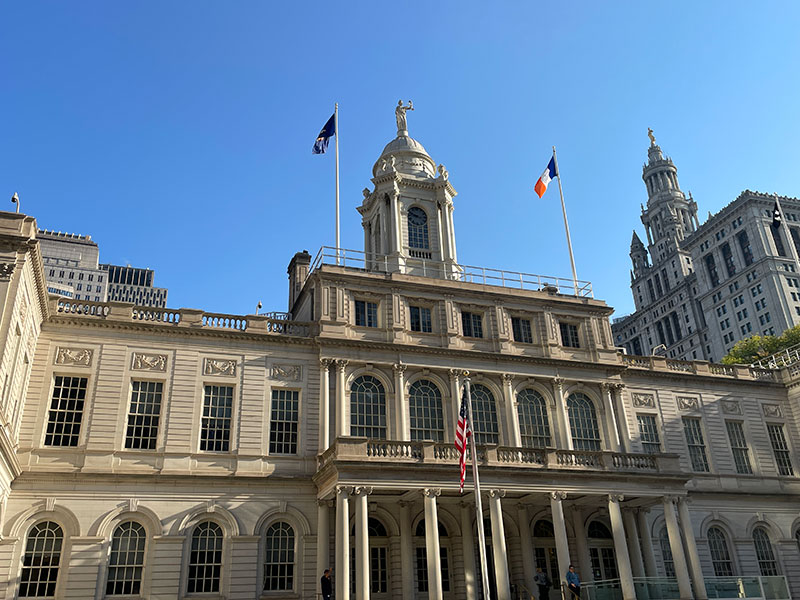
Mayor Zohran Kwame Mamdani announced the launch of the Atlas HOPE Transitional Employment Partnership on November 16, a program connecting participants in a community violence intervention program with supervised employment clearing medians and step streets for the Department of Transportation.
Mayor Zohran Kwame Mamdani announced the Atlas HOPE Transitional Employment Partnership that day, linking the NYC Department of Transportation with the Office of Community Safety to place participants from a targeted violence-intervention program into supervised city jobs. The official website of the City of New York reported the launch, framing it as a deliberate move to invest in people “before violence happens” rather than responding after the fact.
Atlas HOPE sits inside the Office of Neighborhood Safety and runs 12 to 16 months. It serves men ages 25 to 40 in the South Bronx who are identified as being at the highest risk of involvement in violence. The model blends cognitive behavioral intervention with transitional employment, job training and eventual job placement — a sequence designed to build stability before pushing participants into the open labor market.
“Every New Yorker deserves the opportunity to build a stable future, and every community deserves to be safe,” Mamdani said. “That means doing more than responding to violence after it happens. It means investing in people, creating pathways to meaningful work and giving New Yorkers the support they need to move forward.”
The partnership operates at modest scale. As of the announcement, Atlas HOPE enrolled roughly 60 participants across its four program phases, with 10 in the transitional employment stage. Each crew will be overseen by two Fortune Society supervisors, who will coordinate with a designated NYC DOT contact, to handle snow removal, cleaning step streets, medians, and maintenance at NYC DOT locations across the city.
“Community safety means investing in people and creating meaningful pathways to opportunity,” said Renita Francois, Deputy Mayor for Community Safety. “This partnership connects Atlas HOPE participants with transitional employment and the chance to make a visible contribution to their communities.”
Dr. Ayesha Delany-Brumsey, Commissioner of the Office of Community Safety, described the DOT collaboration as putting the program’s combined approach “into practice through supervised work opportunities across our city’s public spaces.” She credited United Way of New York City and the Fortune Society for implementation support.
DOT Commissioner Mike Flynn emphasized the operational benefit: “Through this partnership we will be connecting in-need New Yorkers with employment to help keep our traffic medians and step streets clean and assist clearing snow this winter season.” The agency will identify locations and coordinate deployment with Fortune Society supervisors.
Bronx District Attorney Darcel Clark framed the initiative as a response to years of disinvestment, saying, “Connecting people to workforce training and transitional employment can change the trajectory of lives, creating long-term stability.”
Grace Bonilla, president and CEO of United Way of New York City, called it a demonstration of how “investments in people, workforce development and community partnerships can contribute to safer, more resilient neighborhoods.” Rob DeLeon, president and CEO of the Fortune Society, added that participants “gain valuable job skills and experience and have the opportunity to make a visible, positive difference in their communities.”
The program is not open to the general public; transitional employment is one component of a broader intervention for a specific high-risk cohort. Whether the model expands beyond the South Bronx or scales past its current enrollment will depend on outcomes the city has not yet published.
Worth a look

Miles Overpowers Clark Atlanta 63-46 With 22-6 Fourth Quarter in SIAC Opener
Miles College turned a one-point deficit into a 17-point rout Thursday night, outscoring Clark Atlanta 22-6 in the...
Boise Airport Master Plan Considers New Runway South of Gowen Road, Terminal Growth and Road Changes
Boise Airport could close its northernmost runway and build a 10,000-foot replacement south of Gowen Road, a shift...
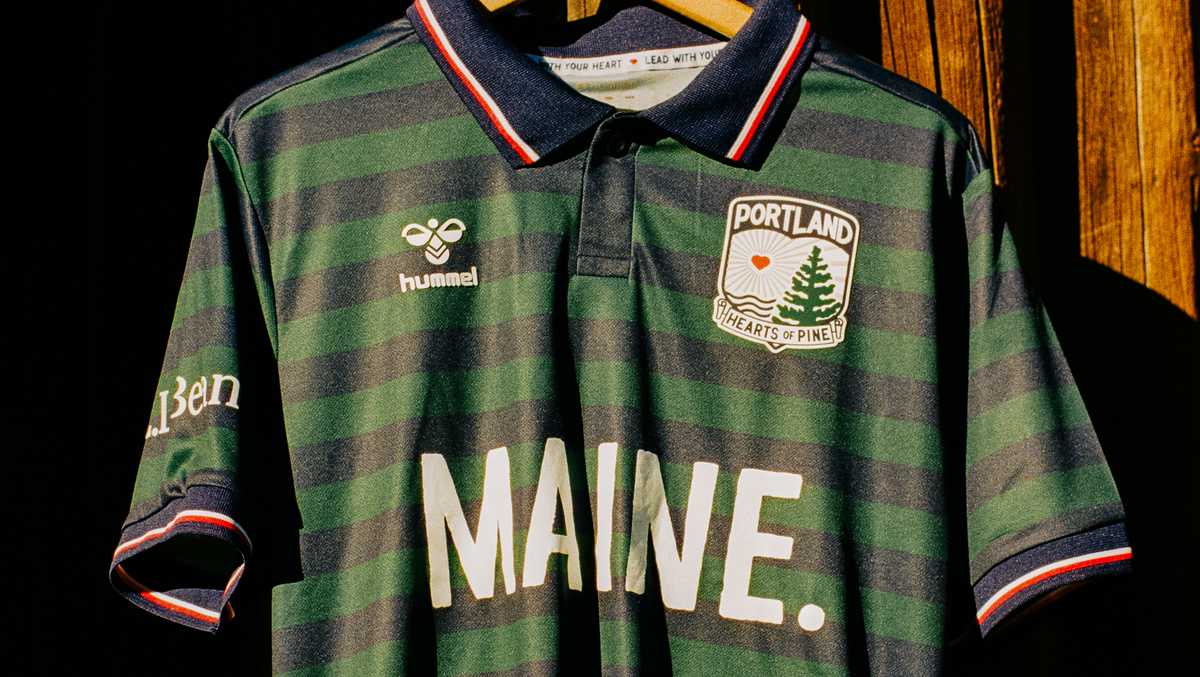
Portland Hearts of Pine Unveils Refreshed 2027 ‘Woods & Water’ Kit
"We're not starting over. We're carrying something special forward," Gabe Hoffman-Johnson, founder and chief community officer of Portland...
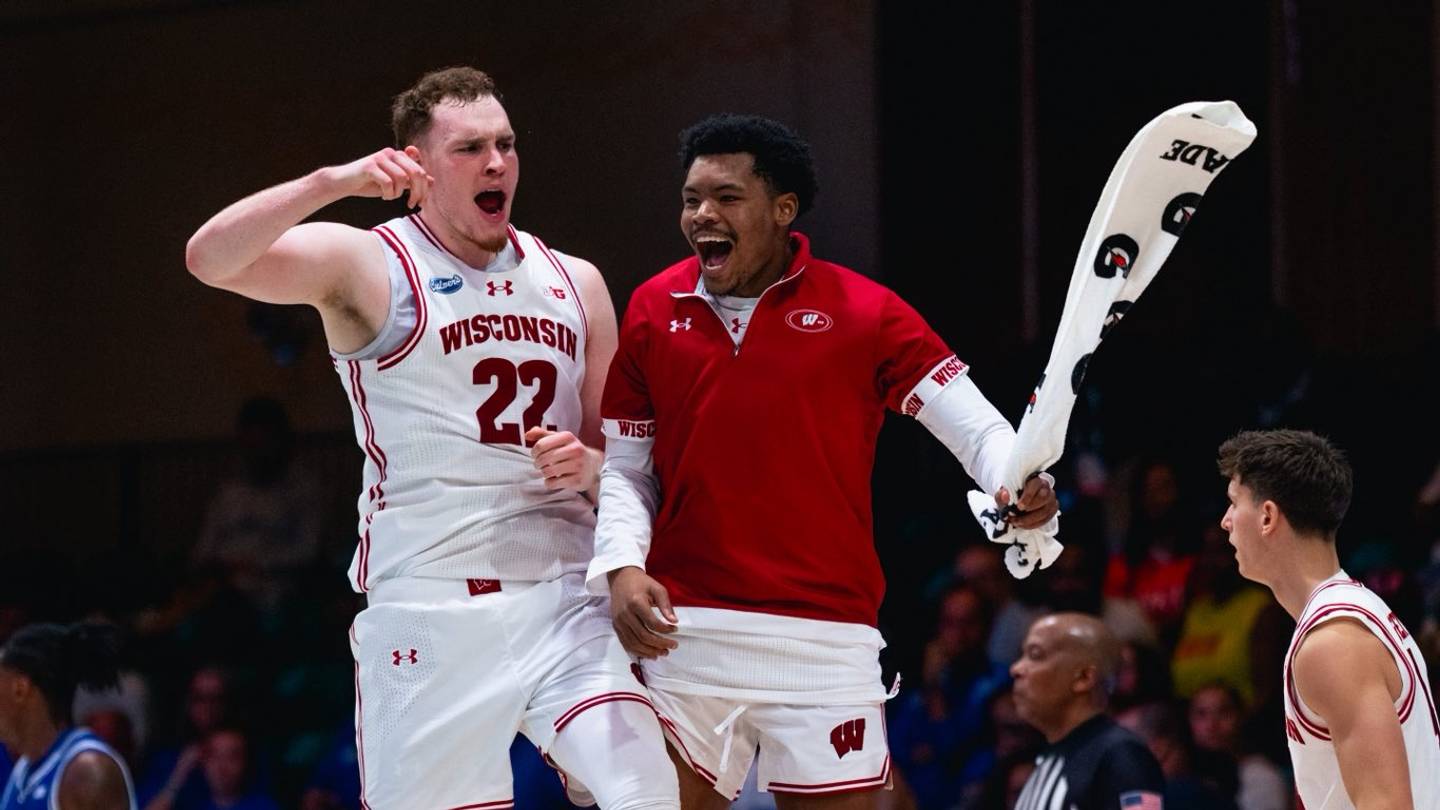
Wisconsin Faces Murray State in Baha Mar Consolation After 17-Point Collapse vs. Seton Hall
Wisconsin fell behind by 17 points and lost to Seton Hall 74–69 in the Baha Mar Championship semifinals...