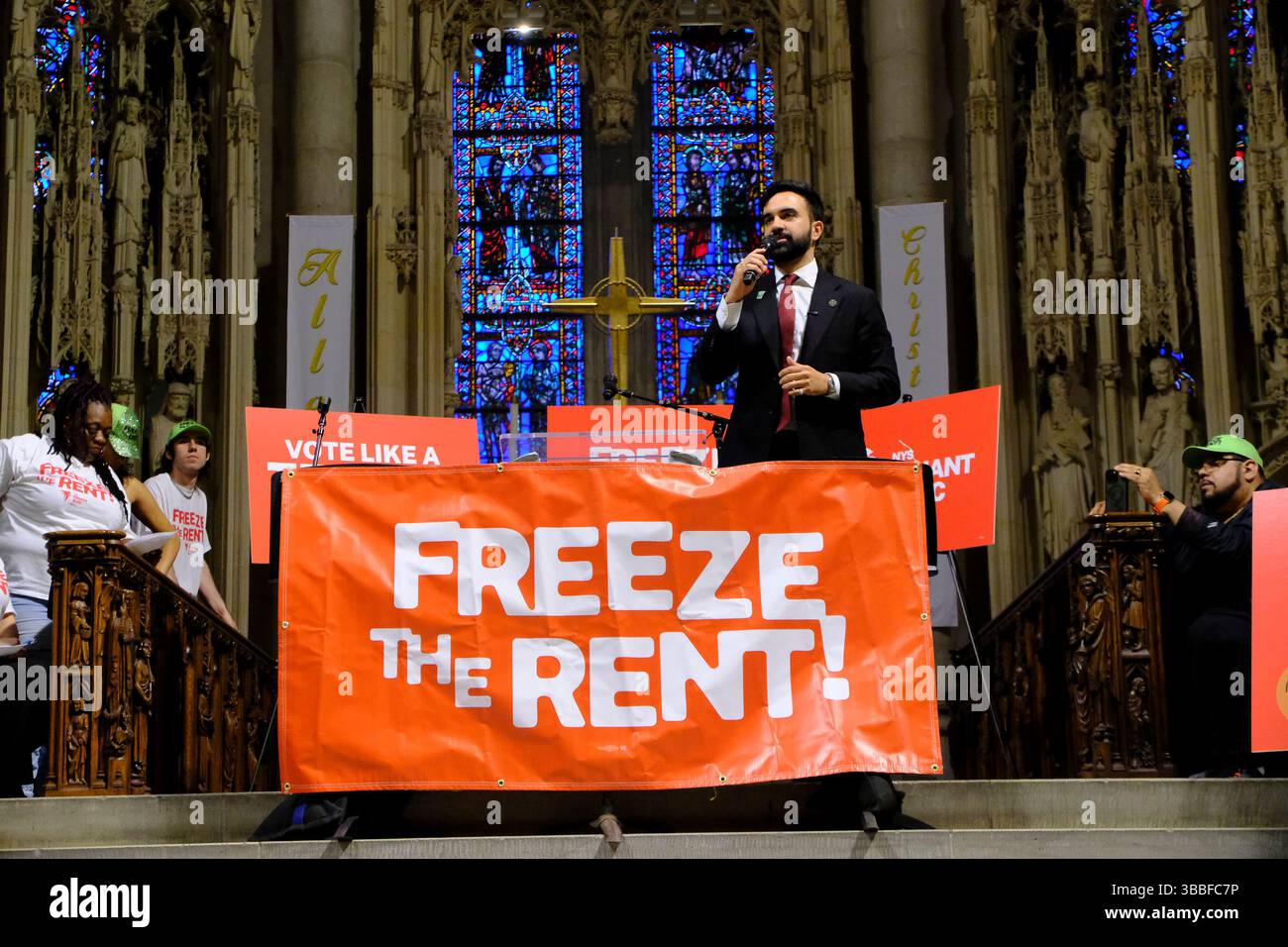
New York City Zohran Mamdani’s rent freeze for nearly one million rent‑stabilized apartments has triggered a lawsuit from landlords after operating costs rose 5.3% and insurance costs jumped 10.5%, according to figures cited by critics of the policy.
The Rent Guidelines Board, six of whose nine members were appointed by Mamdani, voted 7‑1 to approve the freeze, a move opponents say was pre‑determined.
Critics argue the freeze deepens the housing shortage by leaving roughly 50,000 “ghost apartments” off the market because renovation costs exceed the rent caps.
They contend the city cannot regulate its way out of a supply deficit and point instead to targeted tax incentives such as Section 467‑m, which grants multi‑decade property‑tax discounts to developers who convert underused commercial buildings into housing. Replicating that model, they say, would add units without squeezing property owners’ maintenance budgets.
Beyond housing, Mamdani’s platform includes universal childcare and city‑run grocery stores. During the campaign he estimated the childcare program at roughly $6 billion, but critics say the actual cost runs between $8.7 billion and $9.3 billion — a gap they describe as a severe underestimate that would further strain the municipal budget.
Mamdani, a democratic socialist and former state assembly member, won the 2025 mayoral race on a grassroots affordability platform that framed housing as a human right and portrayed the private sector as having failed working‑class New Yorkers.
His appointment of a majority on the Rent Guidelines Board and the subsequent rent freeze have become the focal point of a debate over whether price controls or supply‑side incentives offer a sustainable path out of the city’s housing crisis.
Related reading

Colorado National Guard Blackhawk Strikes Cliff During Halloween Rescue Near Nederland; Lakota Completes Extraction
A Colorado National Guard Blackhawk helicopter struck a cliff face during a Halloween night rescue attempt in the...
Topeka Woman Fatally Shot by Police After Knife Threats Had Prior DUI Conviction
A Topeka woman fatally shot by police July 23 after threatening two people with a large knife had...

Parkview-Montpelier Hospital Auxiliary Presents Lighting the Way to Christmas Dec. 6
The Parkview-Montpelier Hospital Auxiliary will present its annual “Lighting the Way to Christmas” memorial program on Sunday, Dec....

Regulators Clear Wexpro $485M Laramie Energy Purchase
Regulators in Utah and Wyoming cleared Wexpro's US$485-million purchase of Laramie Energy's Colorado natural gas assets on Nov....