Frankfort Honors Community Volunteers with Extra Mile Day
“We live in a world that claps for fame,” says Shawn Anderson, the founder of the Extra Mile America initiative. “But some of the people who make the biggest difference in our communities will never make the news or hear the words ‘thank you.’ They keep showing up anyway.”
This sentiment took official form in Frankfort this month, as the city formally recognized the quiet, persistent work of local residents. Mayor Layne Wilkerson proclaimed November 1 as Extra Mile Day, a designation intended to highlight the everyday volunteers whose contributions—from supporting schools to assisting seniors—often go unacknowledged, The State Journal reported. In a parallel development, Mayor Judy Sheets also issued a proclamation for the same date in Frankfort, emphasizing the importance of recognizing those who consistently exceed expectations to foster positive change, according to the Clinton County Daily News.
A Nationwide Movement Rooted in Personal Journey
The observance is not merely a local gesture; it is part of a broader national trend. Extra Mile Day traces its origins back to 2009, sparked by a 4,000-mile bicycle ride undertaken by Anderson. As a non-bicyclist at the time, Anderson used his cross-country journey to interview 200 individuals who had overcome adversity or performed extraordinary acts of service. What started as a modest effort involving 23 cities has ballooned into a nationwide movement, with more than 500 cities across all 50 states participating in 2026.
The core philosophy behind the day is to shift focus toward the granular level of community health. It celebrates the neighbor who mows an overgrown lawn, the parent who manages a bake sale despite a packed schedule, and the business owner who ensures local traditions remain funded. By dedicating a specific day to these actions, cities like Frankfort are attempting to quantify the impact of what is usually an invisible economic and social engine: the volunteer labor force.
Recognizing Local Institutional Support
While the initiative focuses heavily on individual acts of kindness, this year’s observance in Frankfort also turned a spotlight toward formal community support systems. The Clinton County Daily News noted that Mayor Sheets specifically recognized The Arc of Clinton County for its ongoing contributions. The organization provides essential advocacy, education, and support for individuals living with intellectual and developmental disabilities, serving as a pillar for families within the region.
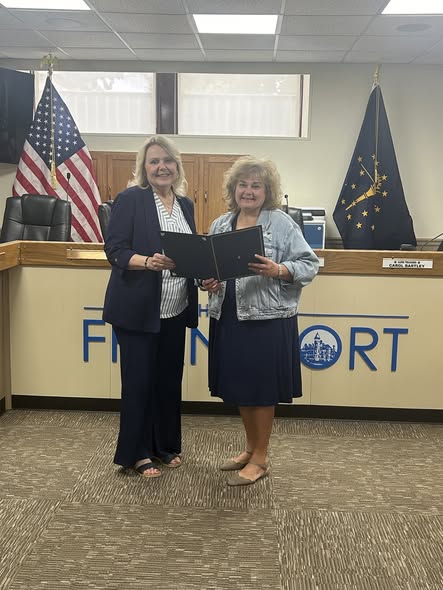
The inclusion of an established nonprofit in the proclamation highlights a practical reality: while spontaneous acts of kindness are vital, the infrastructure of community service often relies on organized advocacy. For those looking to engage with the movement or find local volunteer opportunities, the Extra Mile America website serves as the primary hub for organizational data and participation resources.
The Economic and Social Stakes
Critics of such commemorative days often point out that symbolic gestures do little to solve deep-seated systemic issues like funding shortages for social services or the rising cost of living that forces residents to work multiple jobs, leaving less time for volunteerism. However, advocates argue that the social capital generated by volunteerism is a prerequisite for a stable society. When residents engage in communal care, the burden on municipal budgets often decreases, as neighbors step in to handle tasks—such as youth mentorship or senior care—that might otherwise require public intervention.
The long-term success of this movement remains tied to whether such recognition leads to sustained engagement or if it remains a seasonal event. As the program grows to include hundreds of municipalities, the challenge for city leaders is to translate the spirit of “going the extra mile” into policies that protect and support the very individuals who keep these communities functioning. For now, the proclamation serves as a reminder that the health of a city is rarely measured by its largest projects, but by the accumulation of small, unheralded efforts made by its citizens every day.
Related reading

49ers Injury Update: Bosa and McCaffrey Cleared, While Evans and Samuel Ruled Out vs. Raiders
The San Francisco 49ers will head into their Week 9 matchup against the Las Vegas Raiders without three...

Joe Ricketts’ Straight Arrow News to Cease Operations
Straight Arrow News to cease operations as Omaha-based outlet winds down Straight Arrow News, the Omaha-based media organization...

Ella Swindle helps Texas volleyball sweep Missouri in Columbia
A Homecoming Performance: Ella Swindle Sparks Texas Volleyball For Texas Longhorns setter Ella Swindle, the return to Columbia,...
Historic Shift in the South: Scott Colom Leads in Mississippi Senate Race
In the Deep South, a political earthquake is currently measured not in tremors, but in a razor-thin margin...