
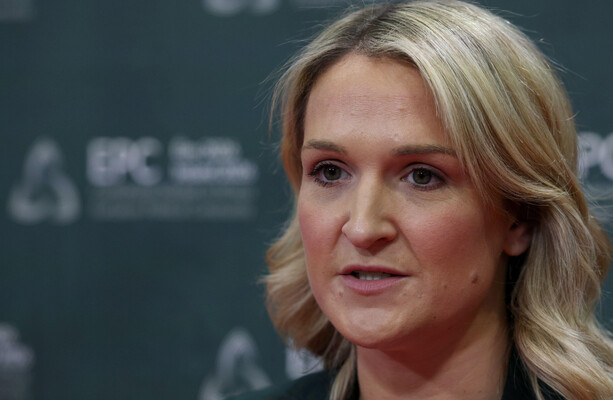
Defence Minister Helen McEntee declared Friday she is confident the government’s Triple Lock legislation will be enacted by year’s end, even as she prepares to weigh more than 90 amendments over the weekend.
The bill would scrap the requirement for a United Nations mandate before deploying more than 12 Defence Forces personnel abroad, replacing the “triple lock” of Government, Dáil, and UN approval with a “double lock” requiring only Government and Dáil sign-off.
McEntee made the comments at a sod-turning event in Navan, Co Meath, framing the change as essential for Ireland to join a new EU mission supporting the Lebanese Armed Forces.
“I’ve just come from Lebanon. I’ve seen the situation on the ground there,” McEntee informed journalists. “And I think I and many Irish people would like to see the Irish Defence Forces continue to provide that type of support in the future, so it’s really important that we make these changes.”
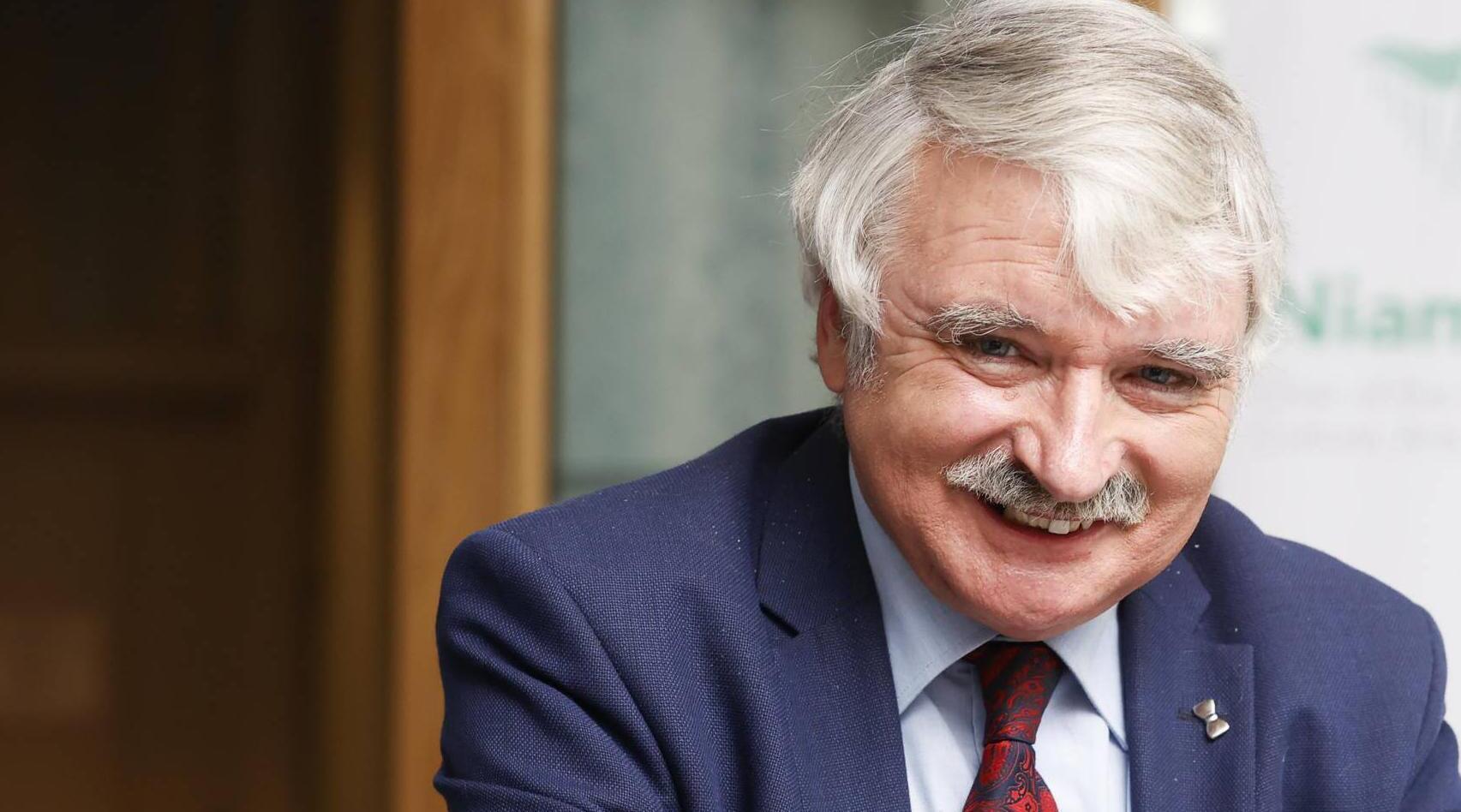
The legislation cleared second stage in the Dáil last month and is now at committee stage, where the Coalition itself has presented the biggest challenge. Nine Fianna Fáil TDs, led by veteran Limerick TD Willie O’Dea, have tabled an amendment requiring any deployment to be consistent with a UN General Assembly resolution — a middle ground that retains a UN link without granting the Security Council a veto.
The O’Dea Amendment
Taoiseach Micheál Martin, speaking in Berlin, said he had discussed O’Dea’s proposal with McEntee and Minister of State for European Affairs Thomas Byrne. “I think this is something we can work on at committee stage to ensure the essence of that idea, which we don’t have a fundamental problem with, can be absorbed,” Martin said.

McEntee struck a cautious note. “I’ll engage with colleagues in the committee next week and possibly the week after, and then any decision taken on amendments to the legislation, I’ll be bringing that forward myself,” she said. “I would not be putting in place any changes that would, in fact, tie our hands further.”
Tánaiste Simon Harris ruled out a free vote for Fine Gael or Fianna Fáil TDs. “Just say on that definitively no, because it is a programme for government, and every Fine Gael and every Fianna Fáil TD and independent that support the government ratified the programme for government,” Harris told the Dáil.
Opposition and Civil Society Push Back
Sinn Féin’s Matt Carthy described the government’s plan as “a fundamental shift in Irish foreign policy”, arguing it moves the country from the primacy of UN multilateralism to being “locked into an EU military framework.”
On O’Dea’s amendment, Carthy said: “Anything is better than what’s there at the moment and certainly anything that emphasises the role of the UN is better than what’s there at the minute. But let me be very clear, anything that diminishes or undermines and certainly anything that abolishes the Triple Lock neutrality protection should not be allowed to proceed without the Irish people having to say by way of reference.”
Sinn Féin leader Mary Lou McDonald sharpened the attack during Leaders’ Questions. “Government gave solemn assurances on neutrality and the Triple Lock during the Lisbon campaign, and the Nice campaign. You cannot simply give your word and then discard it,” she told the Taoiseach.
“In 2013 you said the Triple Lock was ‘at the core of our neutrality’. You rejected attempts at that time to remove it. But now you carry out that very assault on neutrality that you once condemned.”
People Before Profit–Solidarity TD Paul Murphy warned that rejecting O’Dea’s amendment would “expose the reality that this has never been about a supposed Security Council veto by Russia, China, or anyone else. It is about freeing the Government up to act without any regard to the United Nations and without any regard to international law.”
The UN Charter, Murphy noted, allows peacekeeping deployments authorised by either the Security Council or the General Assembly.
“The government are saying they’re going to reform the triple lock. They’re not. They’re simply removing it.”
— Senator Tom Clonan, independent, speaking to the Leitrim Observer
Independent Senator Tom Clonan, a retired Army captain, accused the government of a “robust campaign of misinformation” and warned that traditional peacekeeping could give way to peace enforcement missions involving Hezbollah in Lebanon. “Once our armed forces are committed in that way, we are no longer neutral,” he told a public meeting in Roscommon.
The Irish Times’ Sinéad O’Sullivan argued the government has failed to answer basic questions about the new framework. Prior to taking apart the triple lock safeguard, it ought to have first set out the principles and boundaries to replace it, she wrote. Ministers repeatedly assure us that Ireland will remain militarily neutral.
Yet the Government’s own understanding of neutrality appears to be shifting, even as it insists that nothing is changing. Since Russia’s invasion of Ukraine, Ireland has trained Ukrainian soldiers via an EU mission and discussed drone co-production with Kyiv — steps O’Sullivan says blur the line between military and political neutrality.
Public Mood and Next Steps
A constituency survey by Wicklow–Wexford TD Fionntán Ó Súilleabháin found 89% of respondents opposed the Dáil vote on the Triple Lock and 87% said the issue would affect future voting intentions. Ó Súilleabháin has called for a referendum.
In Kerry, Irish Neutrality League convener Sara O’Rourke accused the Taoiseach of breaking Ireland’s commitment to neutrality and urged attendance at a protest in Tralee on Saturday. Meanwhile, Fianna Fáil MEP Billy Kelleher criticised opposition claims about neutrality.
McEntee dismissed opposition warnings as “playing politics with what is a really serious matter.” She said senior Defence Forces members in Lebanon had told her that suggestions Irish troops would fight alongside the Israeli Defence Forces were “putting our soldiers at risk.”
Helen McEntee, who represents Meath East, entered the Dáil in a 2013 by-election at age 26, becoming the youngest female TD in the 31st Dáil. She was appointed Minister for Justice in 2020, the first woman to hold the portfolio, and in 2021 became the first cabinet member in the State’s history to give birth and take maternity leave while in office.
In October 2024 she was elected deputy leader of Fine Gael, and since November 2025 has served concurrently as Minister for Foreign Affairs and Trade and Minister for Defence.
Committee resumes next week. McEntee has pledged to bring forward her own amendments after reviewing the 90-plus submissions. The government’s self-imposed deadline: enacted by December 31.
Worth a look
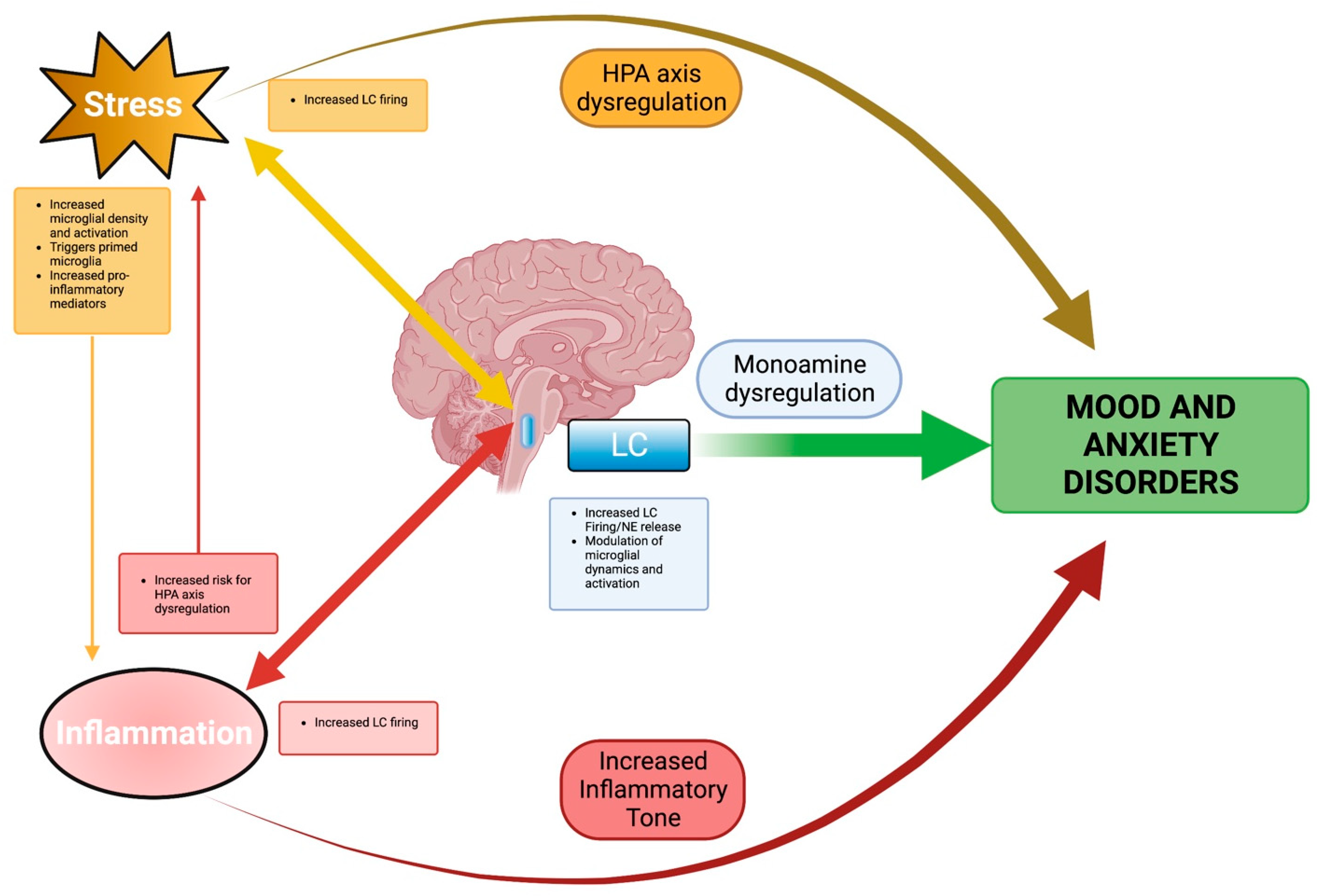
Functional Impairment From Allergies Linked to Higher Anxiety in Students, Study Finds
Nearly half of Japanese university students report having an allergic disease, yet the condition itself does not track...

Bengaluru Man Kills Stepson, Locks Wife in Room for Four Days; Arrested
Bloodstains on the floor and a woman screaming from behind a locked bedroom door greeted the landlord and...

Case Series: 15.5% Retinal Displacement After PPV vs 2.2% After Scleral Buckle
Retinal displacement after detachment repair shows up in roughly one in eight eyes when surgeons use the most...
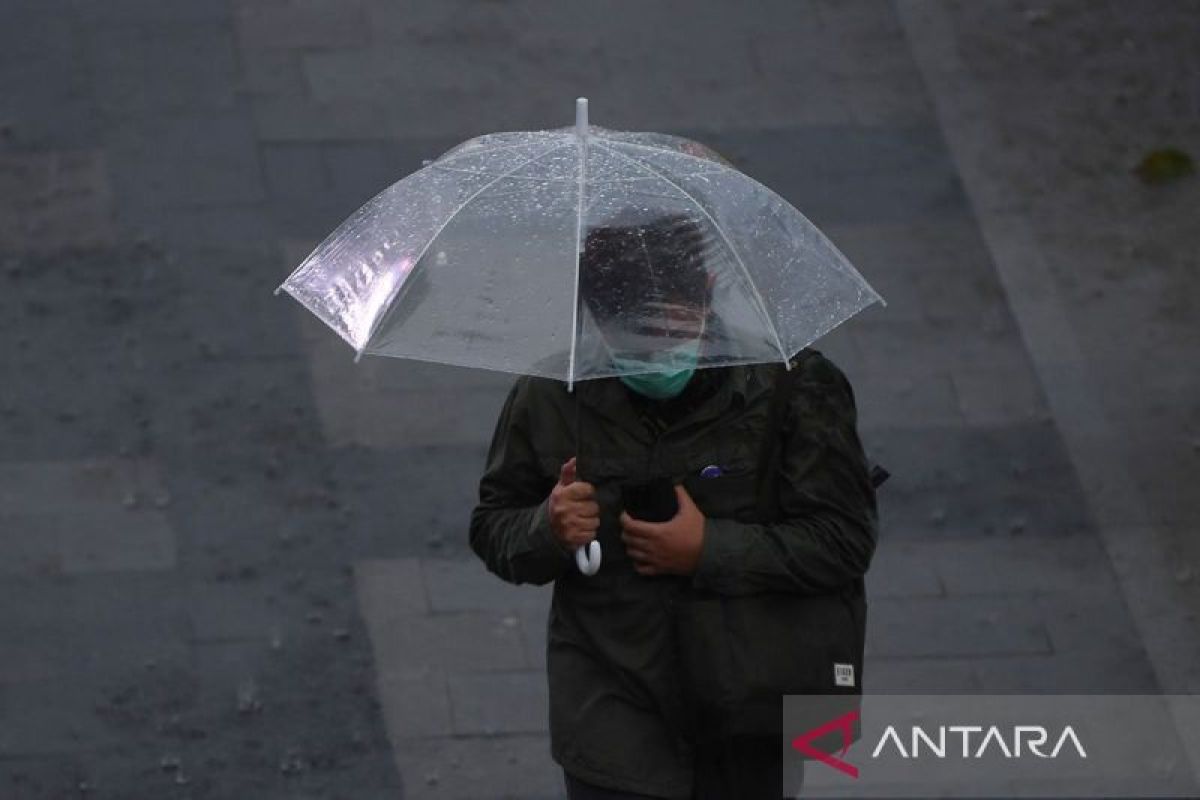
BNPB Places 12 Provinces on Heavy-Rain Alert, Warns of Floods and Landslides
The National Disaster Mitigation Agency placed 12 Indonesian provinces on heavy-rain alert Friday, warning that flooding and landslides...