
In a profile published by The Boston Globe, urban explorer and documentarian David Lawlor detailed his ongoing quest to uncover forgotten historical sites across Rhode Island through photography, video presentations, and field research.
Lawlor traces his fascination with abandoned local infrastructure back to his childhood in North Providence, where he explored the overgrown remnants of an 1800s state park behind his home. Speaking about his current expeditions, Lawlor described the experience of finding hidden historic remnants.
“It makes me feel like I’m Indiana Jones,” said David Lawlor, urban explorer and documentarian.
When seeking access to restricted locations such as the top of Providence’s City Hall building, Lawlor said, “There are times where I’m just thinking of random creative projects, and I’ll just go to the places, try to find the person that I would need to connect with.” After reaching out to city archivist Caleb Horton, Lawlor was shown old blueprints and draft renderings depicting an originally planned massive granite stone structure that was ultimately deemed too expensive to build and maintain.
Among his most notable finds, Lawlor recounted walking the banks of the Blackstone River in the village of Ashton. There, he discovered glass marbles protruding from the mud near mill sites originally constructed by Brown and Ives.

Those industrial operations eventually gave way to the Owens-Corning Fiberglass Corporation. That company later developed fiberglass insulation and beta cloth, a fire-resistant textile utilized by NASA during the Apollo space program.
For residents looking to explore local history firsthand, Lawlor recommended visiting regional institutions such as the Blackstone Valley Historical Society, located at 1873 Old Louisquisset Pike in Lincoln, Rhode Island. He also pointed to Blackstone River State Park in Albion and the Blackstone River Bike Path in Lonsdale as accessible locations featuring historic mill dams and former railway infrastructure.
Lawlor argued that municipal and state authorities should direct increased financial resources toward preservation projects led by local historians and community members.
Worth a look
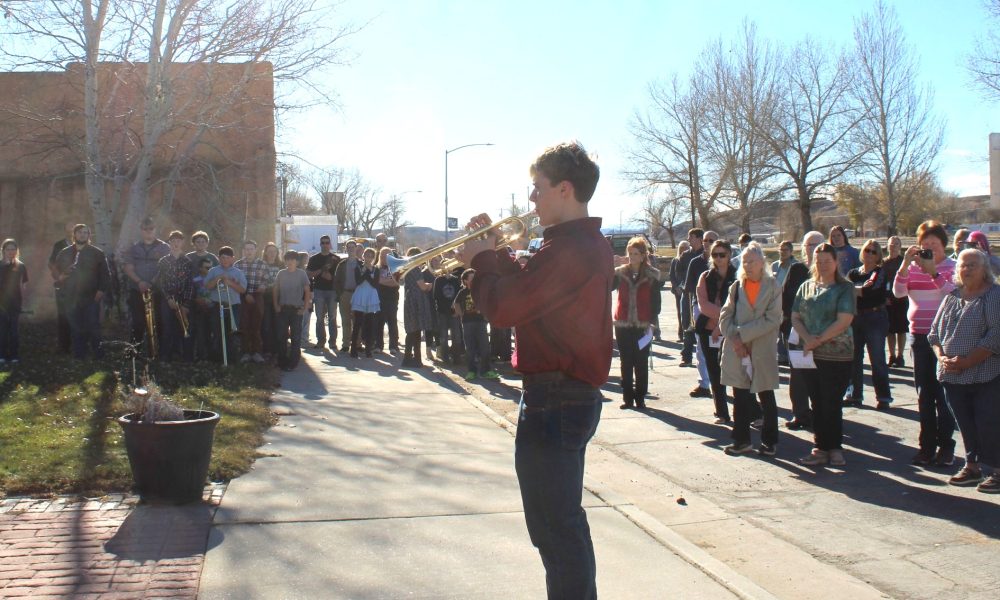
USS Wyoming Ships Feature of Veterans Day Program – Sheridan Media
Fifty people filled the Clearmont Community Center to overflowing on November 11 for the annual Clearmont Historical Group...
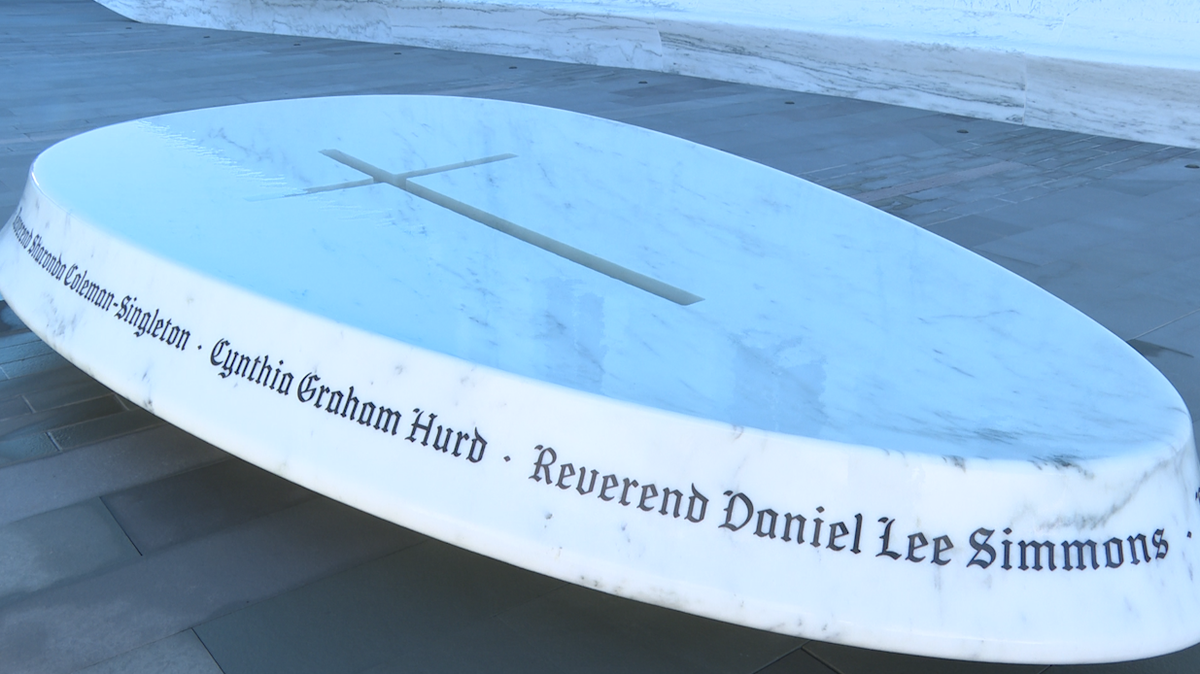
Emanuel Nine Memorial Opens in Charleston 11 Years After Mother Emanuel Shooting
The public can now visit a site dedicated to the lives of nine people who were killed by...

Seattle Seahawks Urged to Bench Sam Darnold for Drew Lock – Yahoo Sports
Sam Darnold led the Seattle Seahawks to a victory in Super Bowl LX last year, but a sluggish...
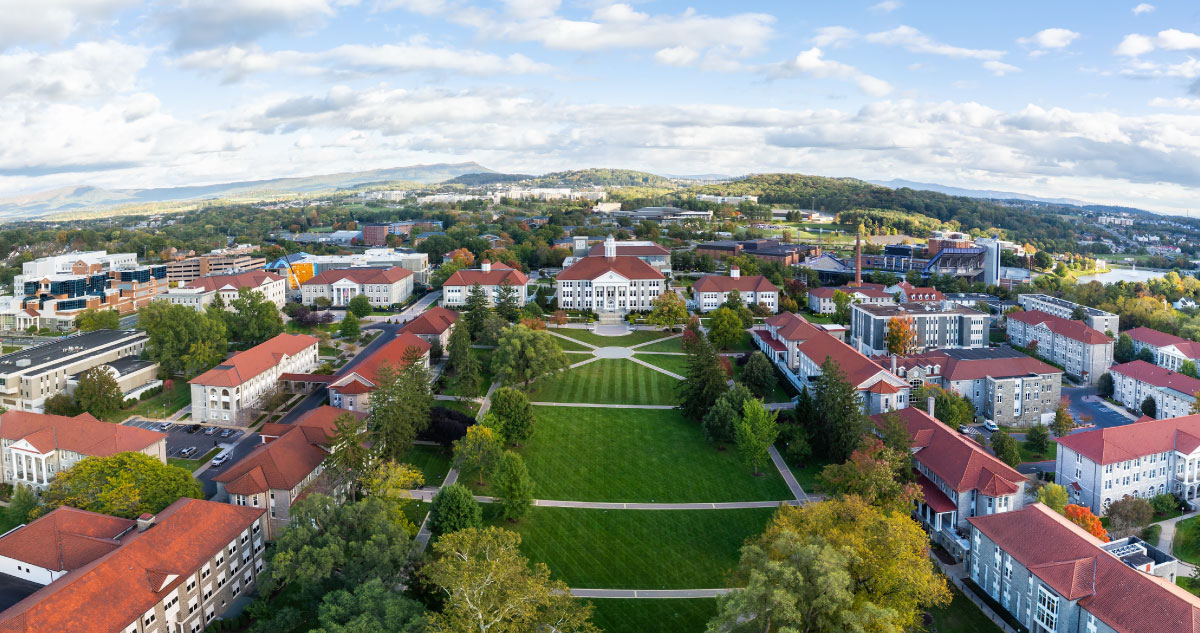
Thomas A. Dingledine Scholarship Endowment for Achievement in Academics & Service
Incoming first-year students eyeing James Madison University face a strict November 15 deadline to complete applications for the...