
Michael Carrick’s tenure as Manchester United manager ended not with a bang, but with the quiet, agonizing indignity of a club that had already moved on while he was still running the drills.
On Tuesday and Wednesday, Carrick led training sessions for a squad that knew his fate before he did. According to media reports, the club had decided to sack him on Monday night, yet left him to twist in the wind while executives dithered over the logistics of his departure.
This is more than a simple coaching change; it is the latest chapter in an identity crisis. Carrick’s downfall was rooted in a flaw: he attempted to manage a team using a vague cargo-cult Fergusonism, favoring abstract concepts like “togetherness” and “spirit” over the rigorous tactical preparation required to survive in the modern game.
The stakes here extend far beyond the pitch. With roughly 400 employees recently laid off under Jim Ratcliffe’s cost-cutting measures, the decision to sack Carrick—triggering a $10 million payout to extract Mauricio Pochettino from his contract with the US national team, on top of Carrick’s own severance—represents a staggering waste of capital.
It highlights a pattern of executive mistakes that has seen United’s financial dominance change since Sir Alex Ferguson’s 2013 departure. When Ferguson stepped down, United’s turnover was 170 percent of Liverpool’s; today, it sits at 95 percent of their rivals.
The Tactical Gap
Carrick’s failure to adapt was highlighted by his own players. After a 4-1 thrashing by Como, Bruno Fernandes offered a blunt, technical dissection of why the team’s pressing structure had collapsed. Carrick’s reaction—dismissing the value of pressing as a “word thrown about”—revealed a fundamental impatience with the tactical evolution that has defined football since Pep Guardiola’s Barcelona dismantled United in the 2009 and 2011 Champions League finals.
Michael Carrick's Manchester United 📸🇾🇪 pic.twitter.com/mXfRnzg5eW
“This pressing thing, that suddenly everyone thinks about, pressing. Pressing is one small part of football … What actually is it? What [are you] doing it for? Is it to your strength? Is it covering up other spaces? It’s just thrown about as a bit of a word at the minute, of pressing. You don’t necessarily need to press to win games of football.”
Carrick said during a rare moment of public candor. While he was correct that pressing is not the only path to victory, he failed to realize that his opponents were no longer playing the same game. While Ferguson’s United could rely on superior culture and individual talent to overwhelm teams, opponents are now better prepared to exploit the lack of technical rigor left by Carrick’s "vague cargo-cult" approach.
The Pochettino Gamble
Now, United turns to Mauricio Pochettino. The irony is palpable: the club had previously considered appointing him in 2016, 2018, 2021, 2022, and 2024. Instead, they waited until he had signed a contract with the US national team, forcing a multi-million dollar buyout. The question remains whether Pochettino can implement his high-intensity, “exuberant pressing” style on a squad that lacks the athleticism to support it.

His tenure at Chelsea serves as a cautionary tale. Disagreements over training intensity led to his exit after just one year, with sporting directors fearing his methods were driving an unacceptable rate of injuries.
At United, the immediate challenge is not just attitude, but the physical reality of a squad that was not built for the energy he demands. Whether the club’s leadership will provide him the time—and the transfer windows—to reshape the roster remains the primary concern for supporters.
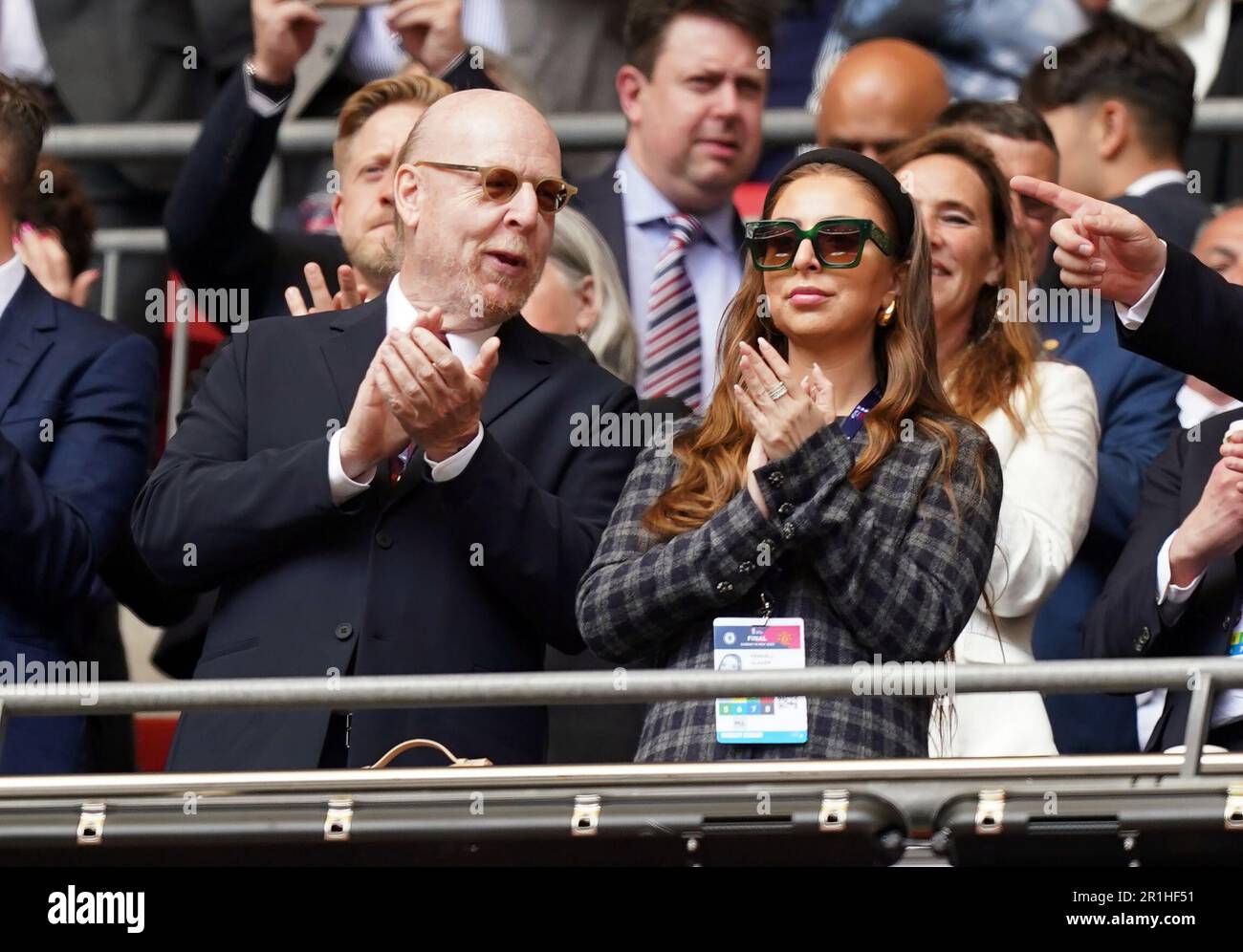
The elephant in the room is the ownership structure itself. With Avram Glazer maintaining that the club’s revenue capacity is independent of sporting performance, the incentive for structural reform is consistently undermined. As the club suffers, a vast digital ecosystem of podcasts and social media feeds off the misery, turning every loss into a new cycle of ragebait.
For the players, who spend hours daily consuming this digital noise, the psychological toll is immense. The question of whether any manager can survive the current environment at Old Trafford remains, and until the club addresses its deeper systemic failures, the cycle of expensive, short-term fixes seems destined to repeat.
Related reading

Rhode Island Homeschooling Requires Local Approval and Planning
Rhode Island families choosing to educate their children at home carry the responsibility for local approval, instruction planning,...

South Carolina Softball Signs 2028 Recruiting Class
South Carolina softball head coach Ashley Chastain Woodard announced the signing of five high school student-athletes who will...

Alvernia Women’s Basketball Falls to Ursinus 71-49
The Alvernia University women’s basketball team faced a challenging night on the road Wednesday, falling 71-49 to the...

2026 Salem Health Holiday Drive kicks off Nov. 16
The Salem Health holiday drive officially begins on November 16, marking the start of a multi-week effort to...