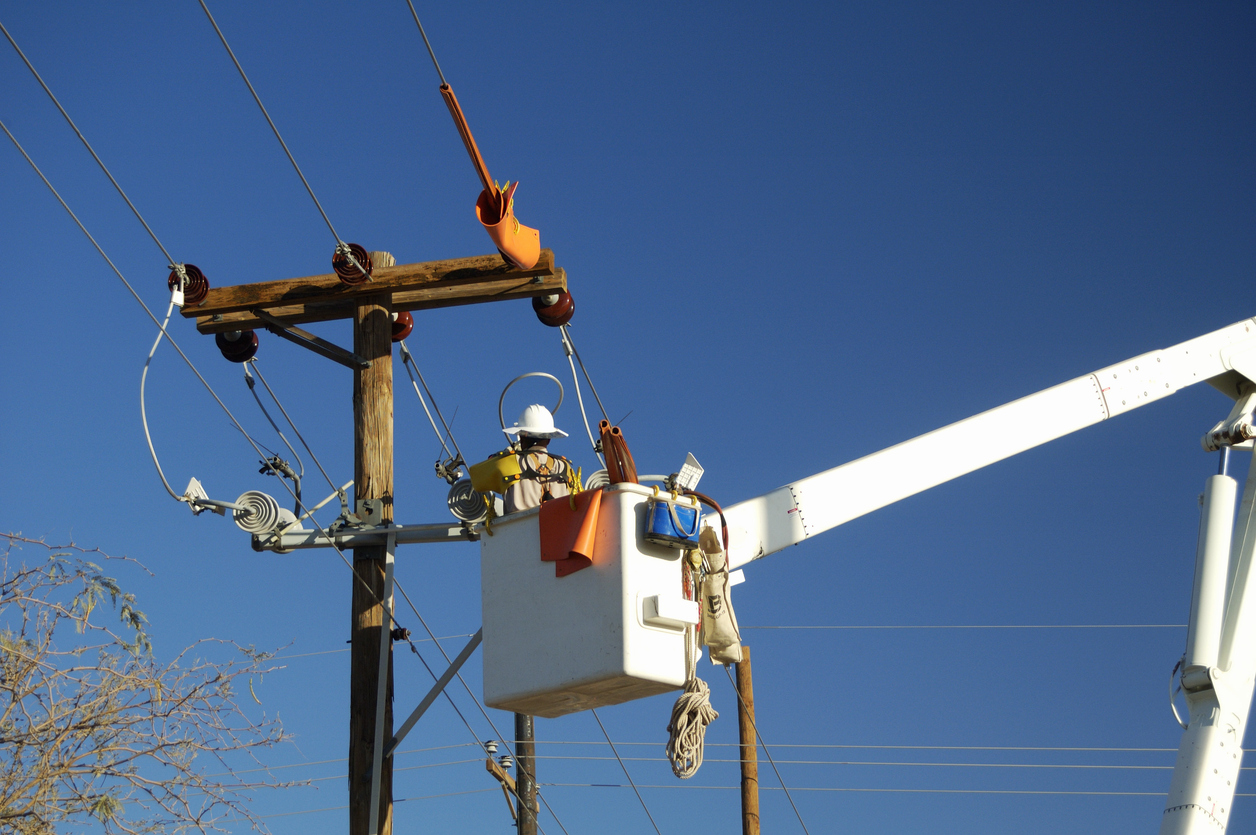
Michigan utility regulators convened a public workshop in Detroit on Tuesday to hear directly from residents grappling with soaring energy bills, even as the state’s two largest utilities pursue nearly $1 billion in combined rate increases.
The session at the Durfee Innovation Society, originally scheduled for September 3 before severe storms knocked out power to hundreds of thousands of Metro Detroit customers, drew roughly 40 attendees. They broke into small groups to discuss how to define affordable energy, the barriers to accessing assistance programs, and utility cost-control measures, Planet Detroit reported.
The stakes are immediate. DTE Energy and Consumers Energy have requested electric rate hikes of $474 million and $456 million respectively, requests that sit alongside growing anxiety over the energy demands of Michigan’s expanding data center buildout. Utility accountability and data center guardrails became prominent themes in November’s midterm elections, with candidates across the ballot calling for stronger oversight.
“You don’t have to be an expert to be able to share real, life-impacting ideas with the people who at least have some power to do that.”
During a question-and-answer session at the end of the workshop, Rafael Mojica, resilience projects coordinator with the nonprofit Soulardarity, spoke.

A maze of programs, a move toward 6%
Michigan Public Service Commission (MPSC) Commissioner Katherine Peretick told attendees the commission is shifting away from a “one-size-fits-all” assistance model toward customized household programs with a target of capping energy burden — the percentage of gross household income spent on energy — at 6% for both state and utility assistance programs.
When energy burden climbs too high, Peretick said, households face dangerous tradeoffs between keeping the lights on and paying for groceries, health care, and other essentials. She displayed a chart showing more than a dozen funding sources and programs spanning energy assistance, waste reduction, and weatherization.
“This is not exactly easy to figure out or understand, even for people who are pretty familiar with this landscape.”
Peretick told Planet Detroit. The commission is now streamlining the process by matching utility-supported programs with the Michigan Energy Assistance Program (MEAP), eliminating the need for customers to identify the specific funding source of their aid. Residents seeking help are directed to the MPSC assistance webpage or to call 211.
Happening today: The MPSC's public hearing workshop on energy affordability is 6-8:30 p.m. at the Durfee Innovation Society at 2470 Collingwood Street in Detroit, and it's your opportunity to share your thoughts on energy affordability. Details: https://t.co/CHkQfbhSOO pic.twitter.com/xs3quovrpE
The numbers behind the pressure
MPSC Chair Dan Scripps outlined the macroeconomic forces driving costs upward: federal tariffs and tax policy, an aging grid requiring massive capital investment, and inflationary pressure on raw materials and labor. He said that rate increases for every investor-owned Michigan utility except Consumers Gas came in under the overall U.S. inflation rate between 2020 and 2025.
Yet the affordability metrics remain stark. Scripps cited federal data showing 33% of U.S. households experienced energy insecurity in 2024, up from 27% in 2020. In Michigan, 25% of households pay more than 6% of their income for energy, exceeding the national average of 20%.
According to the Citizens Utility Board of Michigan’s 2025 Utility Performance Report, Michigan households pay a higher percentage of state median income for energy than residents in neighboring Minnesota, Wisconsin, Indiana, Illinois, and Ohio.
Regulatory authority and the ‘Ratepayer Bill of Rights’
The workshop feeds into the MPSC’s legislative recommendations. On August 10, the commission submitted proposals urging lawmakers to grant authority for multiyear rate plans tied to utility performance on reliability and affordability metrics.
Detroit City Council Member Denzel McCampbell, in a statement released by the Michigan League of Conservation Voters, said the MPSC doesn’t need a workshop to learn that Detroiters face unaffordable bills while the commission continues to approve large rate increases.
“I urge the MPSC to support legislation that already exists in the Legislature to untie their hands, regulate these billion-dollar monopolies, and make our energy more affordable.”
McCampbell said.
The Michigan League of Conservation Voters is pushing the Ratepayer Bill of Rights legislation, which would mandate time-based outage payments for residential customers, tie utility rates to performance, expand assistance programs, and ban executive bonuses and travel paid for with customer funds.
Information for context, not testimony
Peretick emphasized that while the outreach events provide important context for the commission’s decisions on rate hike requests, the information gathered cannot be used as official testimony in those formal cases. The distinction highlights the tension between the commission's fact-finding mandate and the adversarial, evidentiary nature of rate proceedings.
Created in 1939 as successor to the Michigan Public Utilities Commission, the Michigan Public Service Commission traces its roots to the 1873 Michigan Railroad Commission, one of the nation’s earliest state regulatory bodies.
The Legislature trimmed the panel from five members to three in 1947 and established staggered six-year terms, with no more than two commissioners from the same political party — a structure that today seats a Democrat chair, an Independent, and a second Democrat.
The MPSC will synthesize Tuesday’s input as the 2026 lame-duck session approaches.
- Stanford Hosts Sacramento State Thursday Night After Comeback Win
- Apache Junction Father Killed, Wife and Two Daughters on Ventilators After Head-On Crash on US 191 Near Safford
- Inflation Since October 2024 Adds About $4,720 a Year to Household Costs (daybreakwire.com)
- Duke Energy customers face higher bills as proposed rate hikes and credits end (newsarchyuk.com)
Stanford Hosts Sacramento State Thursday Night After Comeback Win
Stanford heads into Thursday night's home date with Sacramento State carrying a 4-1 record and a hard-earned belief...

Apache Junction Father Killed, Wife and Two Daughters on Ventilators After Head-On Crash on US 191 Near Safford
A head-on collision on U.S. 191 near Safford over the weekend killed Aaron Johnston and left his wife...

The Family Initiative Names Melissa Briggs Next CEO for January 2027 Transition
The Family Initiative named Melissa Briggs its next president and chief executive officer Thursday, setting up a January...

No. 4 Virginia Plays Loyola Maryland Friday for 7-0 Start
No. 4 Virginia takes a 6-0 record into John Paul Jones Arena on Friday night for a 7...