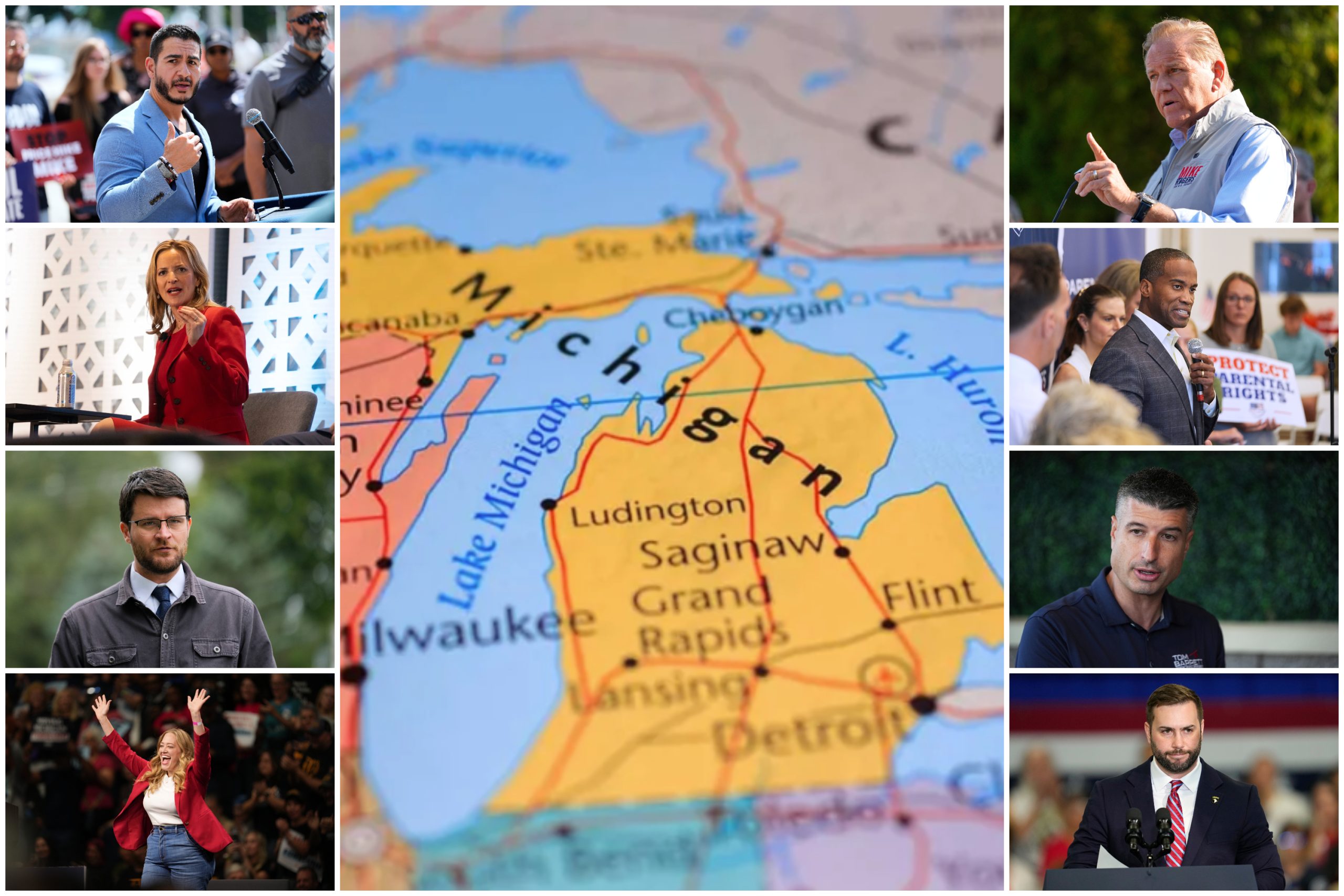
Michigan voters head to the polls today to decide high-stakes races for the U.S. Senate, governor, Congress, and the state Legislature, with turnout patterns in southeast Michigan, rural Trump Country, and college towns poised to reveal major political shifts, Bridge Michigan reported.
As campaign ads, text messages, and robocalls wrap up, Michigan’s local clerks will begin posting partial results online shortly after polls close at 8 p.m. Tuesday. The outcome will test new political coalitions across the state, particularly in the marquee U.S. Senate race between Democrat Abdul El-Sayed and Republican Mike Rogers.
The Battleground in Southeast Michigan
In Oakland County, Democrats have made steady gains as moderate voters cooled on President Donald Trump.
Attention centers on Rochester and Rochester Hills, where Republicans have maintained a narrow edge, alongside communities with large Jewish populations including Bloomfield Hills, West Bloomfield, Southfield, Oak Park, and Huntington Woods. In Wayne County, Black voter turnout in Detroit for El-Sayed will prove vital to his path forward.
Meanwhile, in Dearborn and neighboring areas with large Arab American populations, some voters who backed Trump in 2024 over concerns regarding the Biden administration’s Middle East policies are reportedly souring on the GOP following inflammatory rhetoric surrounding El-Sayed’s Muslim heritage.
Chasing the MAGA-Abdul Coalition in Rural Counties
El-Sayed’s campaign is banking on a populist economic message to pull in enough voters from the MAGA base to offset Rogers’ inroads with moderates.

Republicans, supported by outside groups, have targeted low-propensity voters to replicate the momentum that helped Trump carry Michigan by 80,000 votes in 2024. Observers are watching ruby-red strongholds like Otsego County, Delta County, Livingston County, and Ottawa County. Analysts say El-Sayed’s performance relative to Democratic state counterpart Jocelyn Benson will offer a clear indicator for future statewide trajectories.
Youth Turnout in College Towns and the Race for Lansing
Michigan counts roughly 937,000 residents aged 18 to 24, concentrated in academic hubs like Ann Arbor and East Lansing. While youth turnout has historically been volatile, it remains a critical factor for El-Sayed as he counters Rogers’ advantage among older, reliable voters.
Further down the ballot, the gubernatorial race between Benson and Republican John James will determine who succeeds term-limited Democratic Gov. Gretchen Whitmer.
State Proposals Offer Clues on Voter Frustration
Two statewide ballot proposals are testing anti-incumbent sentiment. Proposal 2 aims to bar state government contractors, regulated utilities, and their executives from donating to political candidates, responding to polling showing that over 85% of likely Michigan voters believe corporations and wealthy individuals wield excessive influence over government.
Proposal 1 asks voters whether to convene a constitutional convention to rewrite the state constitution. While unlikely to pass, the measure serves as a gauge for systemic frustration among the electorate.
Worth a look

Nevada 2026 Midterm Election: Voting details for Washoe County residents
Tuesday marks the final opportunity for eligible residents who haven't yet voted in Nevada's 2026 midterm election. Polls...

Linda Gerry, Lincoln Resident and church secretary, dies at 79
A single yellow Post-it note, stuck quietly to a computer monitor in a Lincoln home, held a familiar...

Robert H. Garner, Outdoorsman and Vietnam Veteran, Passes Away
Remembering Robert H. Garner Robert H. Garner, a lifelong outdoorsman, veteran, and family man, passed away on Tuesday,...
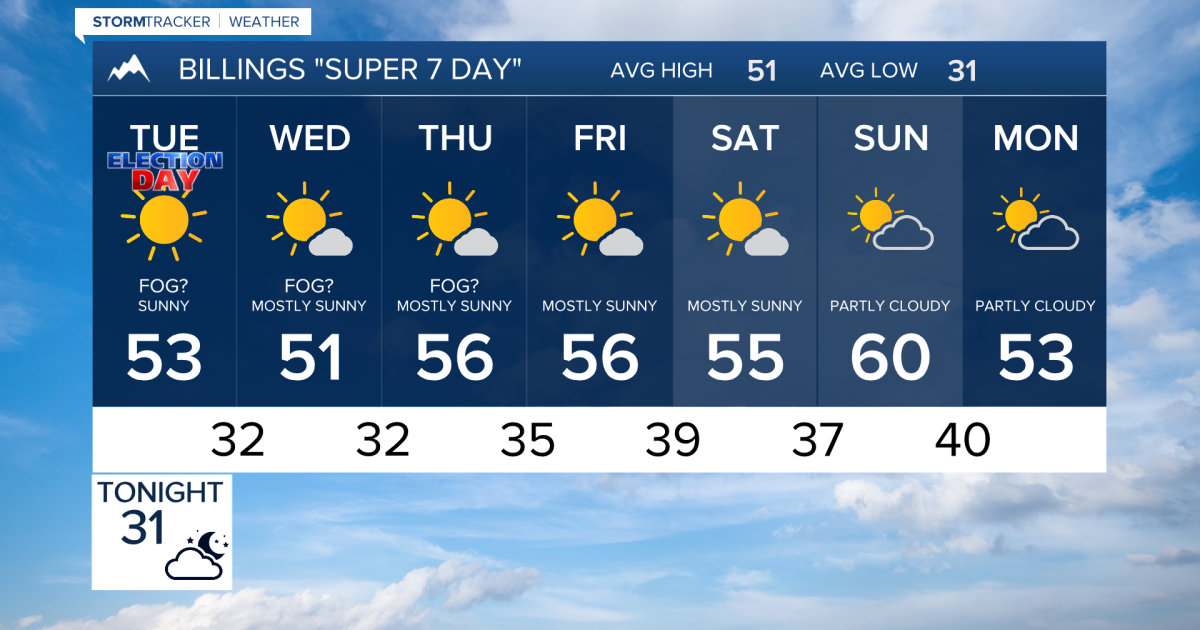
Temperatures climb across southern Montana and northern Wyoming
Winds Ease and Temperatures Climb Across Southern Montana and Northern Wyoming Rain and mountain snow will steadily taper...