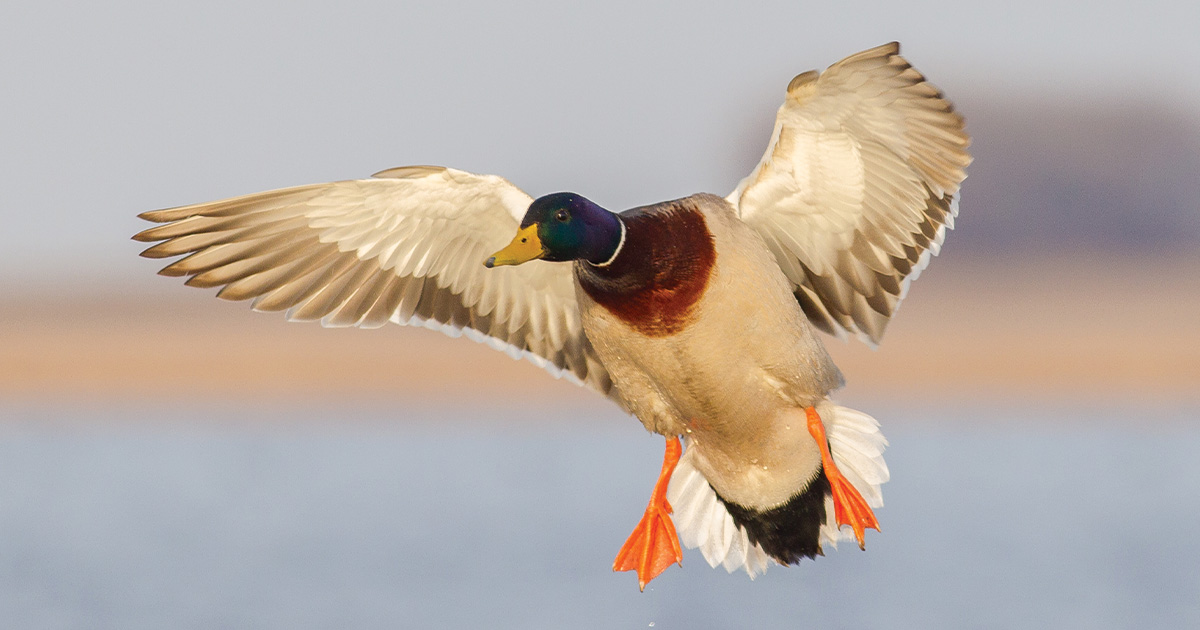
Early Waterfowl Migrators Arrive Across South Dakota Amid Warm October Weather
Swans, canvasbacks, green-winged teal, white-fronted geese, and a scattering of snow geese are now visible across the eastern half of South Dakota, primarily north of Highway 14. These arrivals, driven by a combination of a significant cold front featuring strong northwest winds and a calendar-driven migration tied to dwindling autumn daylight, represent the first major wave of the season.
The sluggish arrival of premier puddle ducks highlights a broader mid-season lull across the state’s wetlands. Rocco Murano, head waterfowl biologist with the South Dakota Game, Fish and Parks (SDGFP), noted that while a trickle of mallards has filtered into certain regions, peak numbers remain distant. Habitat conditions vary widely, leaving some areas entirely devoid of water and birds.
“If you’re going to try to find mallards or really any other puddle ducks, you’ll need to find the water,” Murano explained. “There are regions that remain quite dry and really don’t have much for ducks.”
Regional Contrasts in Harvest and Habitat Conditions
Field reports compiled by South Dakota Game, Fish and Parks illustrate a fragmented landscape for hunters and wildlife observers alike as mild weather stalls broader avian movements. In the Northeast, warm temperatures and southerly winds earlier in the month kept migration subdued, though northern tier counties saw a light influx of gadwall and wigeon alongside steady increases in Canada geese and arriving swans. Rapid crop harvests, featuring steady progress in bean and corn fields, have simultaneously opened up fresh field-feeding opportunities.
Conditions diverge sharply in other zones. The Southeast reports poor overall wetland conditions, with high temperatures preventing new bird pushes and many local teal having already departed. Meanwhile, the James River Valley shows distinct increases in diving duck species, including redheads, buffleheads, scaup, and canvasbacks on larger water bodies. In the Low Plains South duck zone, local waterholes are frequently dry, leaving sparse pockets of ducks and Canada geese.
| Region | Observed Species | Habitat & Harvest Status |
|---|---|---|
| Northeast | Gadwall, wigeon, shovelers, divers, Canada & white-fronted geese, swans | Warm weather; crop harvest moving fast (beans and corn). |
| East Central | Divers on large water, building Canada goose flocks, few white-fronts | Relatively warm and dry; rapid corn harvest. |
| Southeast | Scattered puddle ducks, new Canada geese | Poor conditions; dry waterholes; ~40% crops harvested. |
| James River Valley | Redheads, buffleheads, scaup, canvasbacks, green-winged teal | Combines running hard; limited dry field opportunities. |
Outlook for Hunters and the Awaited Northern Push
With mild forecasts extending into November, wildlife managers anticipate that current bird populations will hold steady while calendar migrants continue to filter in. Hunters seeking success during the interim are shifting focus toward building numbers of Canada geese and utilizing the relative abundance of gadwalls, northern shovelers, green-winged teal, and diving ducks.
Substantial mallard arrivals depend entirely on weather shifts across northern latitudes. Until a formidable cold front drops temperatures and alters conditions up north, the state’s wetlands will maintain their current mid-season rhythm.
Related reading
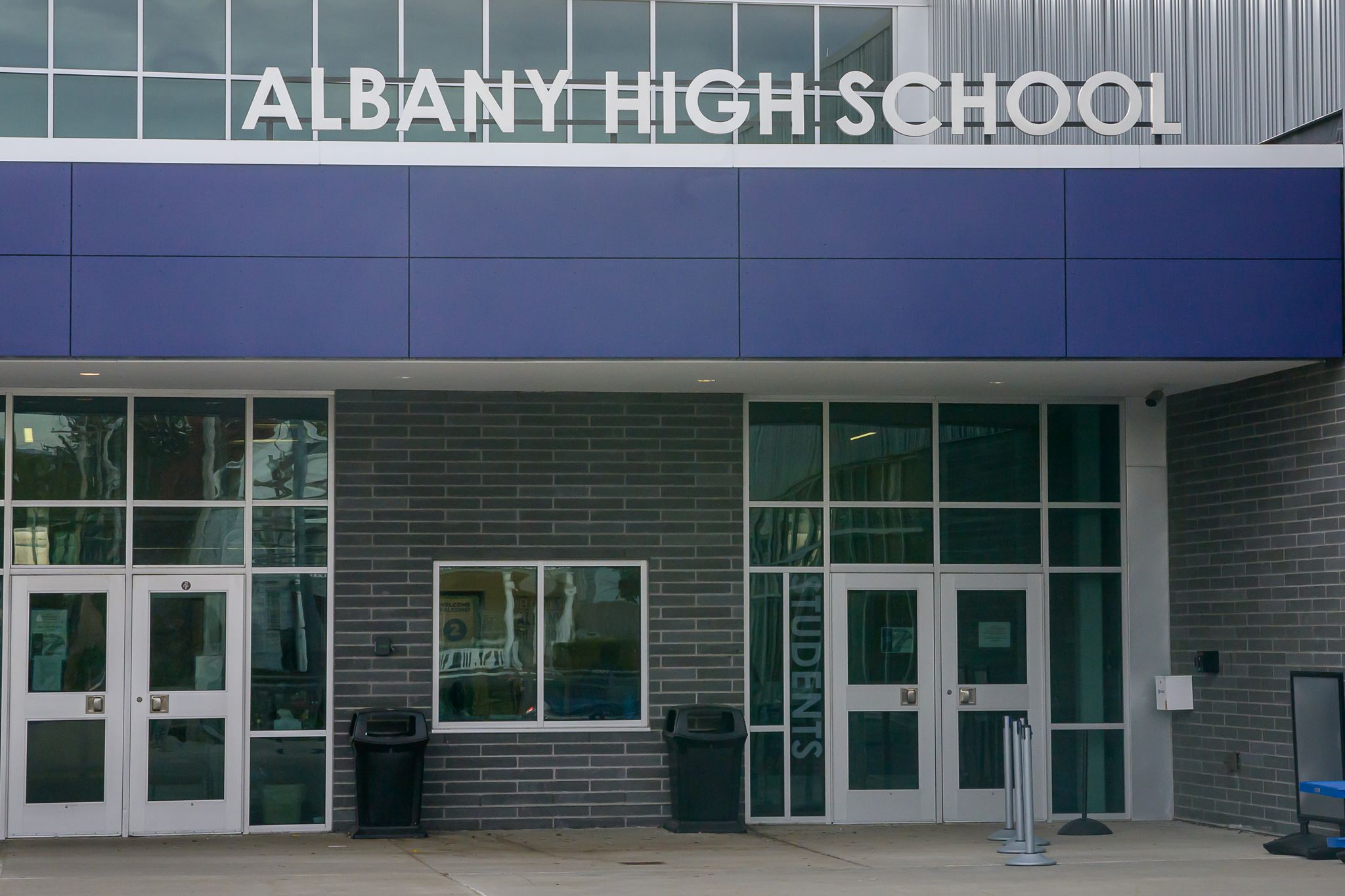
Albany High School removes teachers Over sex assignment
Albany High School removes assignment on sexual morality after Reddit post Two Albany High School teachers are off...

Eni and Burlington Stores have been highlighted as Zacks Bull and Bear of the Day
Energy Strength Lifts Eni While Retail Pressures Weigh on Burlington Stores Global energy markets and off-price retail are...

Rhode Island’s two congressmen are poised to taste power – The Boston Globe
Rhode Island’s two junior members of Congress are on the verge of stepping into a level of legislative...

Edgar J. Rojas-Muñoz – Texas A&M University College of Performance, Visualization & Fine Arts
Edgar J. Rojas-Muñoz, an Assistant Professor at the Texas A&M University College of Performance, Visualization and Fine Arts,...