
Miles Teller recently shared details regarding the personal hardships he faced immediately preceding his role in James Gray’s new crime drama, Paper Tiger, including the experience of losing his home. Speaking about the production, Teller opened up to IndieWire about the intersection of his real-life instability and the character of Irwin Pearl, a middle-class father navigating a murky moral landscape in 1986 Queens.
The film, which explores the dangerous ambitions of two brothers, serves as a gritty character study set against the backdrop of the polluted Gowanus Canal. While the narrative focuses on the friction between Irwin and his older, more successful brother Gary, played by Adam Driver, the production itself required a level of emotional vulnerability that Teller found deeply resonant.
In a conversation with NPR, Teller touched on his family dynamics and the intense nature of the shoot. During the interview, director James Gray jokingly addressed the actor’s career longevity, prompting a lighthearted response from Teller.
“I’m not [retiring]. I’m very much for hire,” Teller told NPR.
The High Stakes of Brotherly Ambition
The plot of Paper Tiger centers on a business proposition that threatens to upend a working-class family. As reported by IGN, the story follows Irwin Pearl and his brother Gary, a swaggering former cop who presents a lucrative but suspicious opportunity involving environmental compliance along the New York waterfront. The venture eventually draws the family into the crosshairs of a Russian mob front.
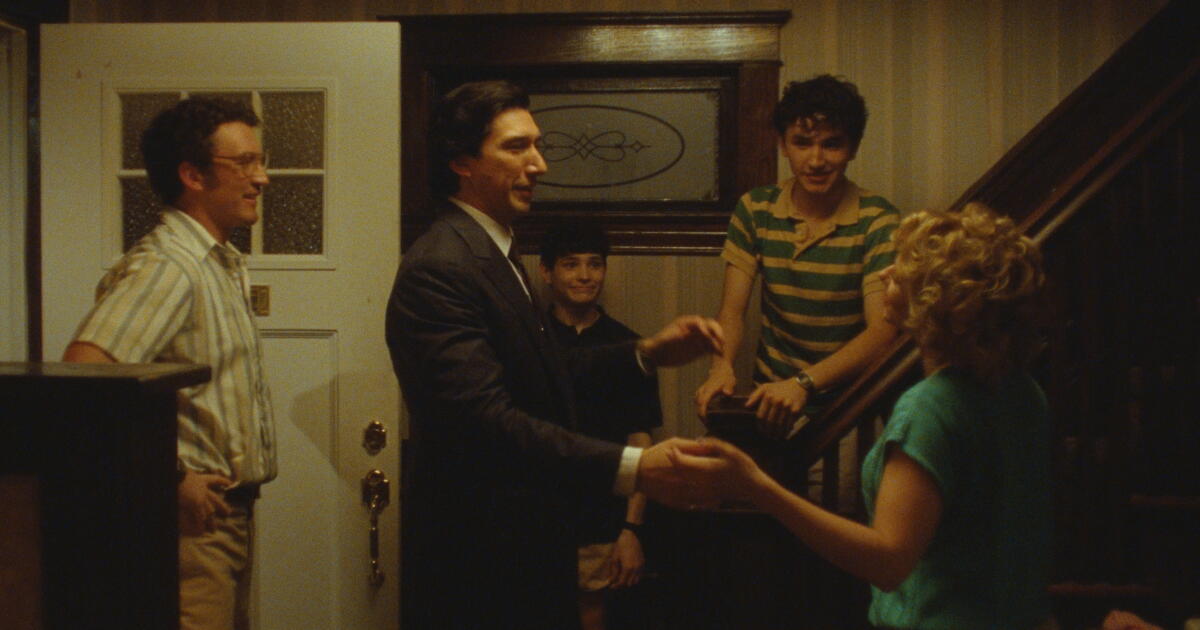
Critics have noted the distinct performances that anchor this period piece. The New Republic argues that Teller, previously known for a more “callow, pummeling bluntness,” captures a more “elusive and empathetic” sense of shame through his portrayal of Irwin. The outlet suggests that the film’s title reflects both the perceived strength and the underlying vulnerability of the characters.
Adam Driver’s performance has also drawn significant attention. The Los Angeles Times observes that Driver portrays Gary as an over-the-top charmer whose “get-rich plan” is clearly suspect from the outset. Similarly, IGN notes that Driver reveals the complexities of a man who, much like a “paper tiger,” may not be as formidable as his bluster suggests.
A Return to Gritty Period Realism
For director James Gray, Paper Tiger represents a return to the stylistic roots found in his earlier works like Little Odessa and The Yards. The film utilizes 35mm film to achieve a grainy, authentic 1980s aesthetic. IGN highlights that the production design and costume work succeed in making the world feel lived-in, noting that the atmosphere is so thick “you can practically smell the ash trays and Brut cologne.”
However, the film’s reception among critics shows a divide between its technical mastery and its narrative pacing. While The New Republic praises Gray’s “conceptual finesse” and his ability to handle genre cinema with invention, The Los Angeles Times suggests that the plotting can feel “a little dull” and notes that the film occasionally struggles with its internal logic regarding character motivations.
The presence of Scarlett Johansson as Hester, Irwin’s wife, adds further weight to the ensemble. IGN describes her performance as one of her best, portraying a housewife managing a tight household while harboring significant secrets. Conversely, The Los Angeles Times offers a more critical view, suggesting that the styling of the character occasionally feels more like a caricature than a period-accurate depiction.
As the film moves toward its theatrical release, it shows Gray's interest in the "devil's bargain" between ambition and morality. The tension between the characters’ desire for financial security and the inevitable consequences of their choices remains the film’s central driver.

Paper Tiger opens in theaters on November 13.
Disclaimer: The cultural analyses and financial data presented in this article are based on available public records and industry metrics at the time of publication.
Keep reading
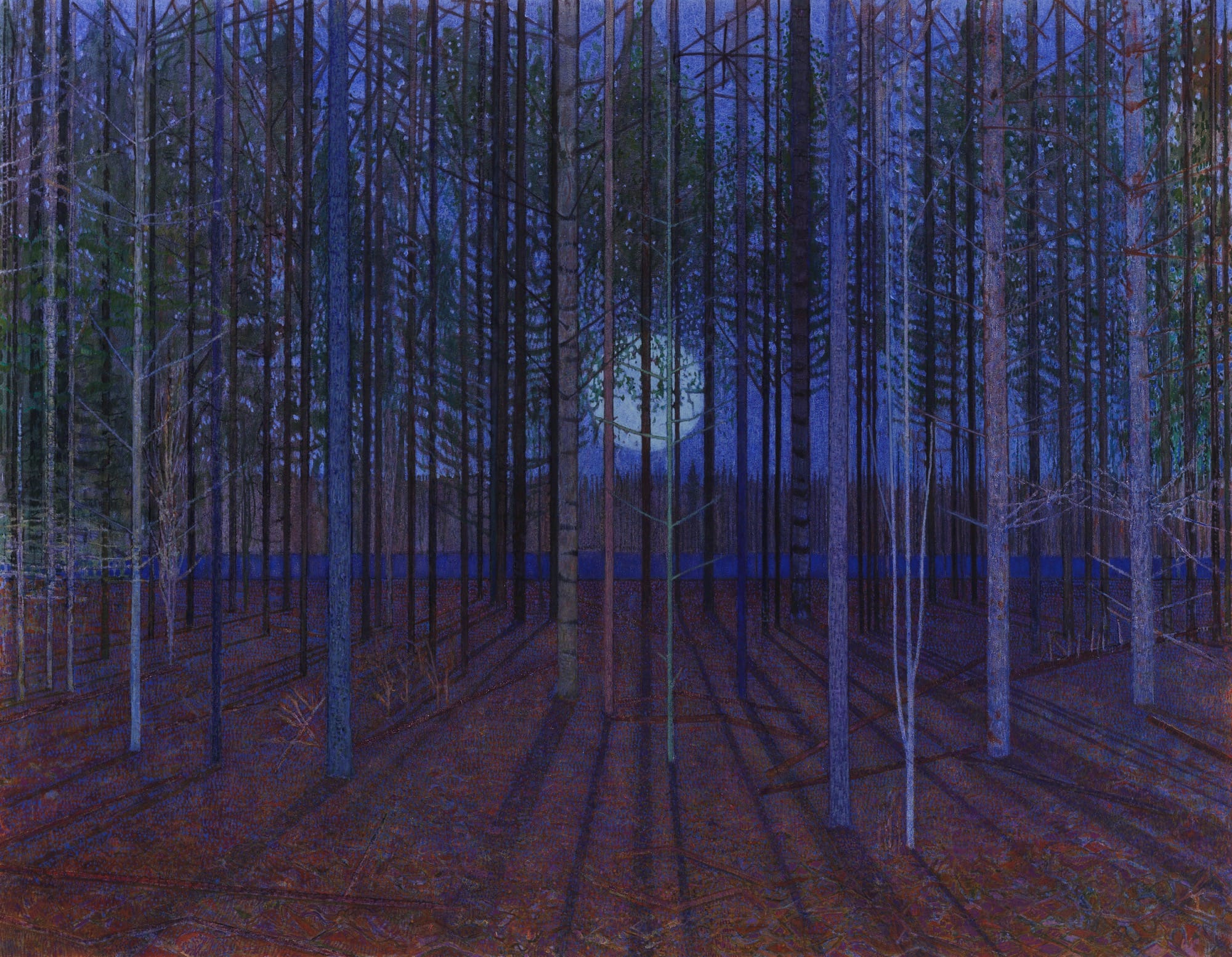
Sky Glabush Uses Sand and Oil to Create Textural Landscapes
Sky Glabush creates atmospheric scenes by mixing oil paint with granular particles like sand and crushed quartz, Colossal...

MTV Renews Caught In The Act: Unfaithful for Season 5
MTV has renewed the unscripted series Caught In The Act: Unfaithful for a fifth season, Deadline reported. The...

Judy Collins Interview: Folk Legend on Joni Mitchell, Leonard Cohen, and Her Musical Legacy
Judy Collins is closing the book on a six-decade career, but she is doing so with the same...

NAZA: How and Where to Watch the Guardian’s Acclaimed Gaza Documentary – The Guardian
“Tough to watch, and impossible to ignore,” according to The New York Times, the acclaimed documentary NAZA will...