“Millions in excess aid, millions in missed savings and employees who never passed background checks, and Newark calls that nothing? If that’s nothing, taxpayers should be terrified of what something looks like,” Assemblyman Alex Sauickie, R-Ocean, said. The remark landed Tuesday after State Auditor David Kaschak released a 36-page performance audit showing Newark Public Schools collected $6.65 million more in state aid than it should have, wpst.com reported.
The audit examined the district from July 1, 2022, to May 31, 2026, and found the extra money came from overreporting enrollment by 128 students in both the 2023 and 2024 state-aid submissions. This school year, Newark received $1.38 billion in state aid—more than 80% of its total budget—while serving nearly 40,000 students across 65 separate schools. According to shorenewsnetwork.com, state funding made up roughly 88% of the district’s general-fund revenues across the three fiscal years examined. Meanwhile, every other district in New Jersey, serving 1.4 million students combined, received $11 billion total.
The enrollment math that cost taxpayers
Auditors traced the $6.65 million directly to inaccurate enrollment counts. When a district claims more students than it actually has, the state funding formula pays out accordingly, and those dollars come from the same pool that supports districts across New Jersey. The finding matters because Newark’s state aid increased by $60.6 million in a single year, even as other districts faced cuts severe enough to shut down schools entirely.
While Newark’s treasury remained full, the Ocean Gate School District did not open its doors this September for the first time in more than a century. The district shut down permanently once its funding dropped by more than half, falling from $951,000 in 2019-2020 to $346,000 in 2024-2025. Other districts in the same timeframe were forced to sell off school buildings, lay off teachers, and cancel or impose fees on sports and extracurriculars.

Where the money went—and where it could have gone
Beyond the excess aid, the audit identified $18.7 million in potential savings the district missed by not enrolling in the State Health Benefits Plan during fiscal years 2024 and 2025. Newark officials countered that their self-funded plan was more comprehensive and shielded employees from steep rate hikes, though auditors found $150,619 in required employee health-benefit contributions went uncollected, plus another $41,602 in medical and prescription claims paid for employees during periods of unpaid leave.
The report also flagged a $566,000 employee gym inside a leased administrative building that averaged just seven visits per day despite having a full-time trainer. Construction expenses didn’t receive formal board approval, raising procurement and competitive-bidding concerns. Auditors found the costs were paid from the general fund, not wellness funds as the district maintained, and noted general funds were also inappropriately used for non-classroom activities such as senior trips, catering, staff entertainment and student trips without sufficient documentation.
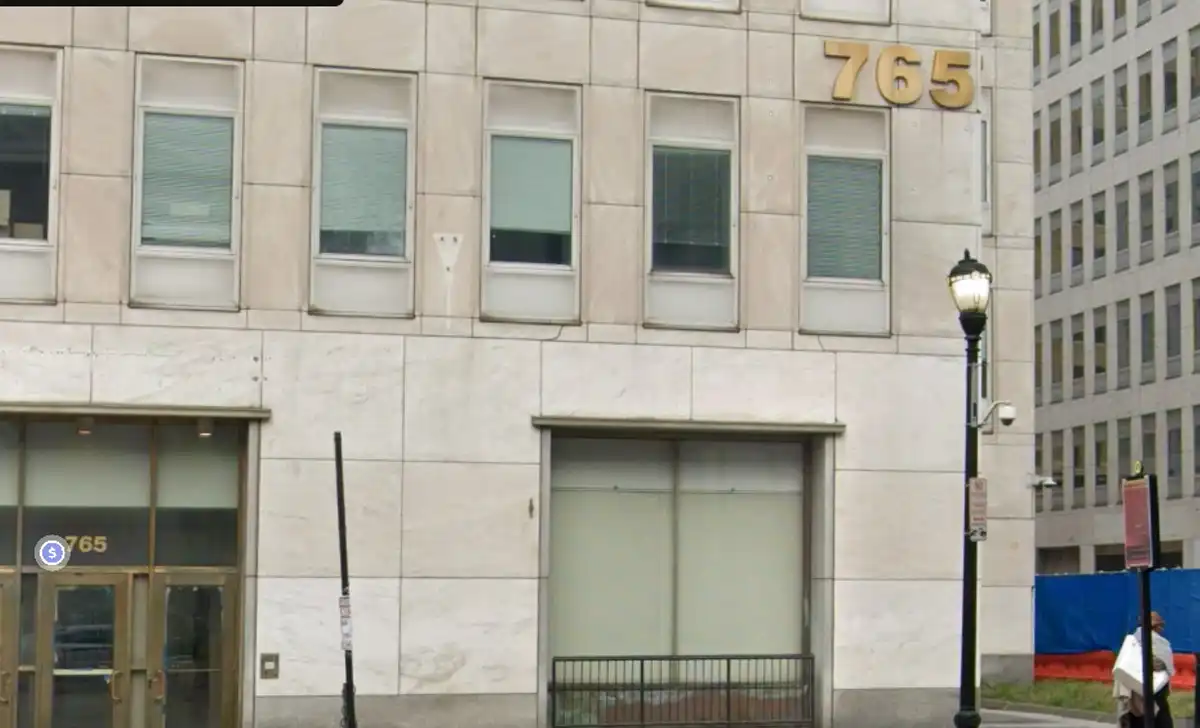
Then there’s the State Street School, a historic building that first opened in 1856 for Black children. Newark reacquired the property and in May 2023 paid a contractor $2.5 million up front to convert it into a museum and administrative offices. The completion deadline was May 2025. As of the audit’s release this week, the building remains unfinished.
District responds to audit findings
The audit found gaps in employee screening, with hundreds of employees lacking properly completed criminal-background requirements. The report stated that “certain matters were referred to the state’s Division of Criminal Justice,” though no charges were announced and the report didn’t include specific criminal accusations against individuals or the district. Newark officials called those statements irresponsible.
“The Newark Public Schools takes seriously every recommendation that can advance our progress and incorporates that feedback into meaningful, continuous improvement,” Roger León said.
Newark officials told nj1015.com the district came through the 22-month review with “flying colors,” claiming the report found financial transactions were properly recorded and reasonable. The district’s official seven-page response expressed disagreements with the findings, and officials had previously asked auditors to remove “inaccuracies and misleading statements” from the report.
The political fallout
Republicans seized on the contrast between Newark’s response and the audit’s findings. “It’s disgusting. State taxpayers and children in Newark deserve better. Getting state taxpayer money back and fixing the school funding formula is way overdue,” Senator Declan O’Scanlon, R-Monmouth, said.
The audit leaves open what happens with the referred matters now sitting with the Division of Criminal Justice, and whether the state will claw back the $6.65 million in excess aid. For now, the unfinished museum on State Street stands as a physical reminder of the $2.5 million already spent, while the district serves nearly 40,000 students with a budget that still relies on state taxpayers for more than four-fifths of its funding.
Worth a look

Evergreen frames Moore’s win as a rejection of fossil-fuel politics, not a mandate for clean energy
Maryland Voters Send Wes Moore Back to Annapolis with a Mandate for Cheap, Clean Energy Governor Wes Moore...

Louisville Democrats Defend Metro Council Majority Against GOP
Louisville Metro Council Democrats held onto their narrow 13-12 majority Tuesday night, fending off a Republican bid to...

Winston DeCuir Jr. Wins First New East Baton Rouge Parishwide Judge Seat
Winston DeCuir Jr. didn't merely win the Division B seat in the 19th Judicial District Court on Tuesday;...

Democrat Chris Mann Declares Victory Over Kris Kobach in Kansas Attorney General Race
Chris Mann declares victory in Kansas attorney general race with 50.5% of vote, but Kris Kobach has not...