Economic activity in the Federal Reserve’s Ninth District increased slightly in recent weeks, holding the same pace as the previous period, the Federal Reserve Bank of Minneapolis reported.
Employment rose slightly and wage growth was moderate, while prices increased moderately as input cost pressures remained strong. The Minneapolis Fed said manufacturing, tourism, and energy expanded, while construction was mixed and consumer spending was flat. Financial services activity and vehicle sales decreased.
Labor market tight in trades
Employment rose slightly since the last report, with surveys showing modestly positive hiring activity in October similar to the previous month and a year ago. Across every state in the District, initial jobless claims in October fell below year-ago levels, and continuing claims followed the same pattern.
A North Dakota banker told the Minneapolis Fed, “there are two kinds of workers; those who shower before and those who shower after work,” and the second group—those in agriculture, construction, and skilled trades—“are hard to come by.”
Despite a somewhat dour outlook on activity, a majority of construction companies reported they were hiring at slightly higher rates than last year.
Wage growth was moderate. Surveys suggested slightly more firms were raising wages for both existing and new workers compared with a year ago.
A South Dakota accounting firm said that prices were increasing for many things and “wages will certainly have to follow.” Some contacts reported difficulties offering wage increases given other rising operating costs.
Health insurance, materials drive price pressures
Overall prices increased moderately, the same pace as the previous report. In a monthly survey, one-third of firms reported they increased prices to customers in October, about the same share as a month earlier. About half of respondents reported increases in nonlabor input prices for the month, a slightly decreased share.
Contacts across industries and geographies reported sharp increases in health insurance premiums. Manufacturing and construction contacts continued to note substantial pressure from materials, fuel, and transportation costs. A construction contact reported a sharp increase in the price of electrical supplies. Retail fuel prices in District states declined modestly since the last report.
Consumers trade down, vehicle sales slip
Consumer spending was flat. Retail contacts reported soft sales overall, with increased activity often catering to customers focused on affordability. A commercial furniture business in Michigan’s Upper Peninsula said “customers are more focused on lower priced goods now,” but they provided “larger profit margins and more sales.” A retail liquor outlet in northwest Minnesota said “customer count is outpacing the dollars, which tells me people are trading down.”
Regional airports reported continued ridership increases, and hotel occupancy remained healthy. At a dealership in the western part of the District, sales of both new and used vehicles declined in October. A Wisconsin dealership said October sales were slow and “consumer sentiment is absolutely terrible right now,” but they held out hope for improvement post-election.
Construction backlogs shrink, cash projects prevail
Construction activity was mixed. The first findings from a twice-yearly industry survey showed backlogs slipping moderately and competition for new work intensifying. High prices and borrowing costs led many households and companies to delay projects. Projects advanced primarily when they were smaller in scope or could be funded with cash on hand.
“All of our clients are paying cash for their project,” regardless of price, said a Minnesota luxury homebuilder. A Montana contact expected backlogs to shrink further in coming months as public infrastructure wound down. Fuel and input costs, global tensions, borrowing costs, and tariffs left respondents more pessimistic than optimistic.
Loan demand weakens, quality expected to deteriorate
Financial services declined slightly. Appetite for commercial-industrial, residential real estate, and consumer loans weakened; bankers pointed to shifting economic conditions as the main factor. Future loan demand was expected to soften slightly. Most bankers expected lending standards to remain unchanged, with only slight tightening in agricultural and commercial lending.
About two-thirds anticipated loan quality would worsen over the next 12 months, with every loan segment showing some decline. Deposits grew modestly, and bankers noted customers were shopping for higher returns in an increasing rate environment.
Manufacturing orders rise, data center demand noted
District manufacturing activity increased moderately. Industry survey respondents generally reported an increase in orders in October from the month prior, but experiences were mixed because nearly one-third of firms saw orders decrease. Expectations for November were slightly positive.
An index of regional manufacturing conditions indicated activity increased in Minnesota, North Dakota, and South Dakota in October from the previous month. A metal forming contact noted strong recent demand from data center and aerospace customers.
Agriculture outlook improves, energy exploration rises
Agricultural conditions were unchanged, but the outlook improved. Bankers responding to the third quarter Ag Credit Survey reported farm incomes fell in the previous three months compared with a year earlier. However, the outlook for incomes in the fourth quarter was net positive.
Participants at an industry roundtable said farmers were mildly optimistic despite high input costs and policy uncertainty. A recent rally in crop prices led to some selling of stocks and paying down of debts.
For the first time since the outbreak of conflict in the Persian Gulf, District oil and gas exploration activity has risen recently.
Minority- and women-owned firms see slight growth
Activity among minority- and women-owned business enterprises increased slightly, and a higher share of contacts expected activity to mildly accelerate in the coming weeks. Nonlabor input costs kept rising and squeezed profit margins as firms held their selling prices steady to protect market share.
“We continue to be hit hard by the high costs of everything…. However, we are still seeing traffic as we are an affordable travel option for people,” shared a hospitality sector entrepreneur. Head counts were slightly higher on balance and more contacts were hoping to recruit additional workers.
- Denise Michelle Porter, Trenton School Bus Driver, Dies at 67
- DA Announces No Criminal Charges in APSU Shoelace Noose Case; Students Protest
- Ofgem raises UK energy price cap by 26 percent as gas prices surge (newsarchyuk.com)
- China’s UN Envoy Says Black Sea Attacks Raise Food Prices (world-today-news.com)

Denise Michelle Porter, Trenton School Bus Driver, Dies at 67
Denise Michelle Porter, known as Michelle and Niecy, died November 21 in Trenton, N.J., at 67, according to...

DA Announces No Criminal Charges in APSU Shoelace Noose Case; Students Protest
No criminal prosecution warranted under Tennessee law, Nash announced Nov. 25. Student responsible came forward to campus police...

UAlbany Defeats Union 96-68 Behind Roman’s 32 Points
UAlbany defeated Union 96-68 Wednesday at Broadview Center in Albany, N.Y., breaking the game open with a 25-point...
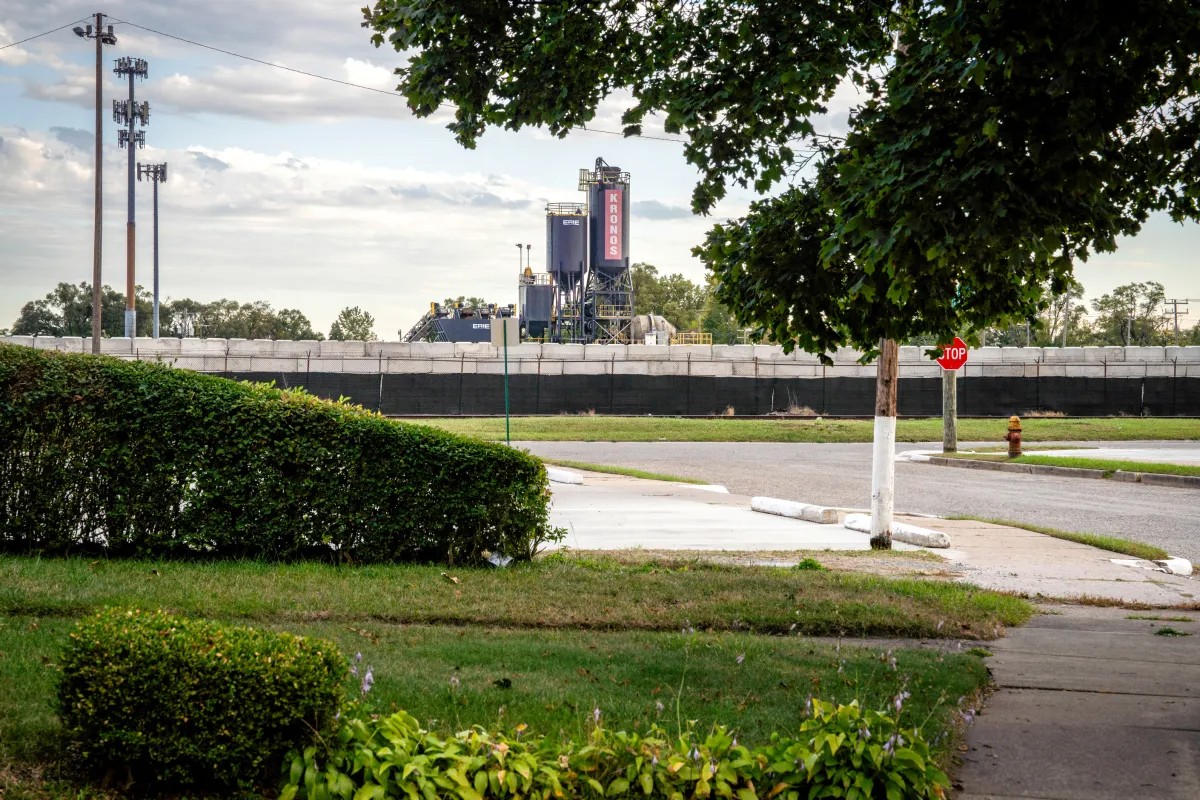
Detroit City Council Approves Rezoning to Prevent Kronos Expansion
“I believe that this is a question of fairness and integrity,” Matthew Moroun, owner of Crown Enterprises, told...