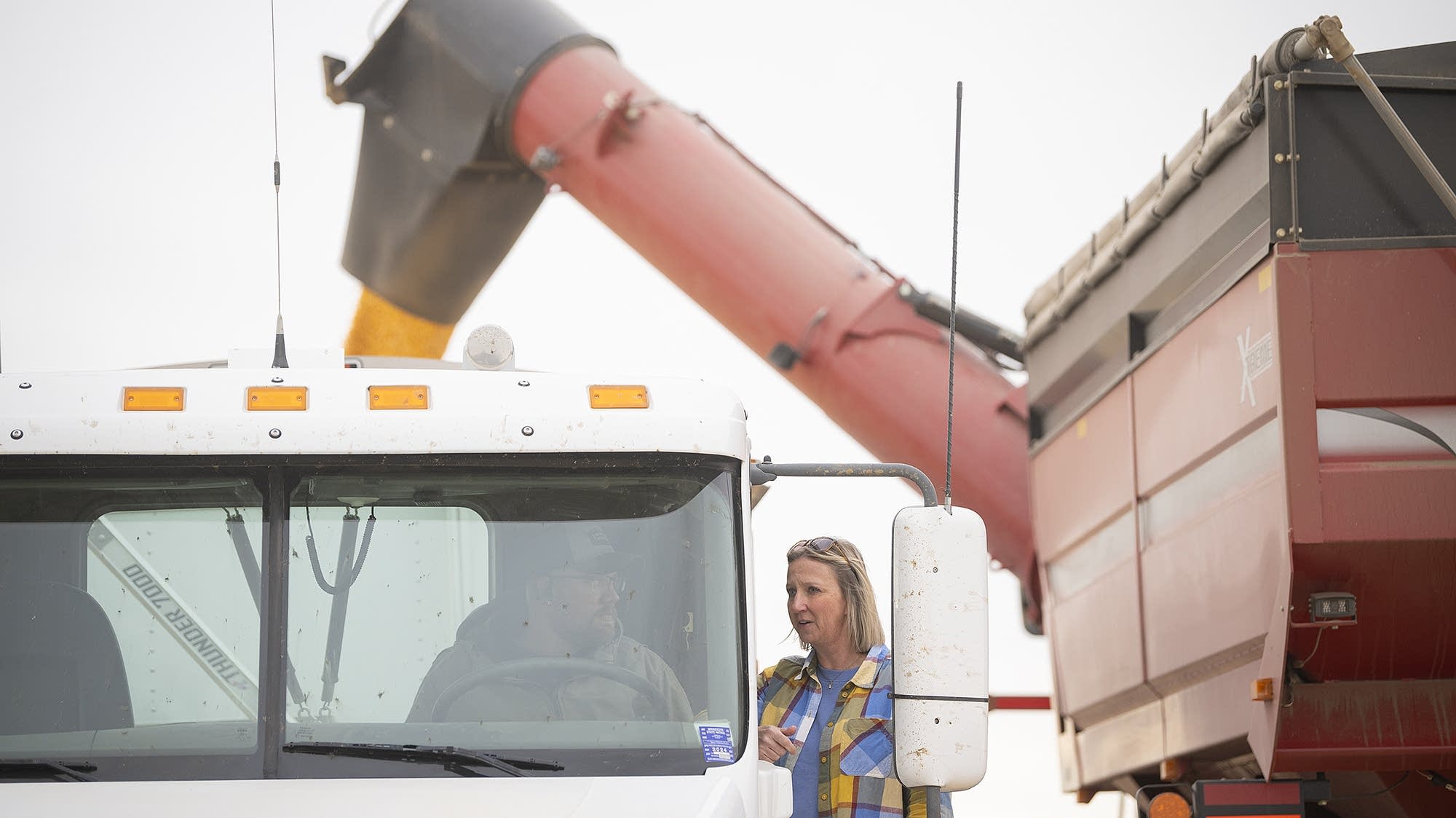
“Democrats are back in power,” said Steele County farmer Jason Keck. “It feels like the state’s controlled by the Twin Cities, and there’s kind of nothing we can do about it.”
Keck’s sentiment reflects a broader divide across the state following the recent midterm elections. Democrats are poised to take control of the U.S. House and Senate, as well as the Minnesota Legislature, in January, MPR News reported.
While the “blue wave” reshaped the political landscape, the reaction among Minnesota’s agricultural community remains deeply split. For some, the shift represents a moral correction, while for others, it signals a growing disconnect between urban policy and rural reality.
For Keck, the primary anxiety involves how the Democratic-Farmer-Labor (DFL) party manages the state budget. He expressed disappointment that the party does not do enough to address pocketbook issues like property taxes, despite some recent relief provided by the state.
He also voiced concerns regarding the DFL’s spending habits. During a 2023 budget surplus, the party directed significant funds toward education and social programs, a move that drew criticism from Republicans.
“It just seems like they keep wanting more instead of working within their budget,” Keck said. “That’s my biggest fear. It’s the fiscal responsibility. At some point, bills got to be paid.”
In Garden City, farmer Robert Roelofs noted that while he anticipated some Democratic gains, the scale of the victories was surprising. He suggested that rural voters were driven to the polls by frustrations over rising input costs and global instability.
Roelofs specifically pointed to the rising costs of diesel and fertilizer, which have been impacted by the ongoing war in Iran. He expressed hope that the new political reality might lead to bipartisan efforts to end that conflict and stabilize export markets.
Not all farmers view the election results through a lens of skepticism. In Lake Wilson, Lauren Biegler felt the midterm results served as a necessary check on leadership and social behavior.
Biegler cited concerns regarding Republican rhetoric and support for immigration enforcement operations as reasons for her support of the Democratic shift. “Personally, with ICE and stuff, that’s hard to watch,” she said.
However, Biegler remains cautious about what the new administration will actually deliver for the agricultural sector. She noted that while short-term government checks can provide temporary relief when finances are tight, they do not solve the underlying economic challenges of farming.
Both Roelofs and Biegler expressed a shared interest in the future of Governor-elect Amy Klobuchar. Roelofs, who noted her previous strength on the Senate Agriculture Committee, said she will have to prove she is farmer-friendly in her new role.
Biegler echoed this sentiment of cautious optimism, hoping that Klobuchar maintains her history of bipartisan work for agriculture once she assumes office.
Ultimately, the consensus among these producers is that political affiliation matters less than tangible economic outcomes. Regardless of which party holds power, the demand for more robust trade deals and expanded export markets remains the central priority for Minnesota’s farming communities.
Related reading

Missouri Democrats Flip 16 State House Seats Amidst Blue Wave
Missouri Democrats achieved their best electoral performance of the 21st century by flipping 16 state House seats and...

Reviewer Says Mudan Modern Asian Cuisine Dim Sum Lacks Heart
In a recent dining review, Paul Tibbets reports that Mudan Modern Asian Cuisine's dim sum offerings fall short...

Colts Fielding Multiple Inquiries for QB Daniel Jones
The Indianapolis Colts are fielding multiple inquiries regarding quarterback Daniel Jones as the NFL trade deadline approaches, Touchdown...

Kōkeʻe and Waimea Canyon State Parks Reopen After Hurricane Lowell
Kōkeʻe and Waimea Canyon State Parks reopened at 6 a.m. on Saturday, November 7, following extensive damage from...