
Chef Shigeyuki Furukawa’s Kado No Mise remains the only restaurant in Minnesota dedicated exclusively to traditional Edomae omakase, a distinction held since the Minneapolis spot switched formats in 2021.
Furukawa opened the restaurant in 2017 with an à la carte menu that offered omakase as an option. Four years later, he eliminated the à la carte service entirely, committing the kitchen to three omakase tiers — ume, take, and matsu — served across an eight-seat counter where diners watch each piece of nigiri assembled. “Going only omakase,” Furukawa told OpenTable, “we haven’t looked back.”
What makes the Edomae style distinct in Minneapolis?
The menu’s “underdog,” he said, is kohada — cured gizzard shad — a staple in Tokyo sushi bars that rarely appears in the Upper Midwest. “Very delicious and very pretty,” he told OpenTable.
How does the weekly kaiseki pop-up work?
Every Tuesday, the dining room converts to Kaiseki Furukawa, a prepaid, 10-course tasting menu rooted in 16th-century Kyoto tea-ceremony traditions where Furukawa trained under master kaiseki chefs. Across the hallway, Gori Peku operates as an intimate Japanese whisky bar for after-dinner drinks.
Furukawa’s anchor dish across both formats is chawanmushi, the silky steamed dashi-and-egg custard he refuses to remove. “A staple of Japanese cuisine,” he told OpenTable. His longest-serving staffer, lead server Derek, has been on the floor for nearly eight years, spanning the à la carte era and the omakase-only pivot. Regular Ralph Chu has supported Furukawa since his earlier restaurant, Origami.
Kado No Mise opened in 2017 as Minnesota’s first truly authentic Japanese restaurant, filling a void where year-round edamame and seaweed salad had long passed for the cuisine. The restaurant operates dual identities in the same space: Kaiseki Furukawa offers a prepaid, 10-course tasting menu on Tuesdays, while Kado No Mise serves Edomae omakase from Wednesday through Sunday.
The best seat, Furukawa insists, is any of the eight counter spots. “Guests can sit with the chef, converse, and watch them as they prepare their meal.”
For the drink list, he currently highlights Tamagawa Red Label, an umami-forward sake he pairs with autumn flavors. When asked about awards, he pointed to the dining room itself: “Seeing the smiles on a guest’s faces when they are undeniably enjoying their meal.”

Marana Issues Business License for MTC Immigration Detention Center
"The Town of Marana, therefore, has utterly failed in their responsibility to conduct due diligence and abide by...

Jackson High School Chemistry Teacher Lana Magnuson Killed in Head-On Crash on Bunkerhill Road
Chemistry teacher Lana Magnuson, 49, of Stockbridge, was driving a Chevrolet Avalanche north on Bunkerhill Road when a...
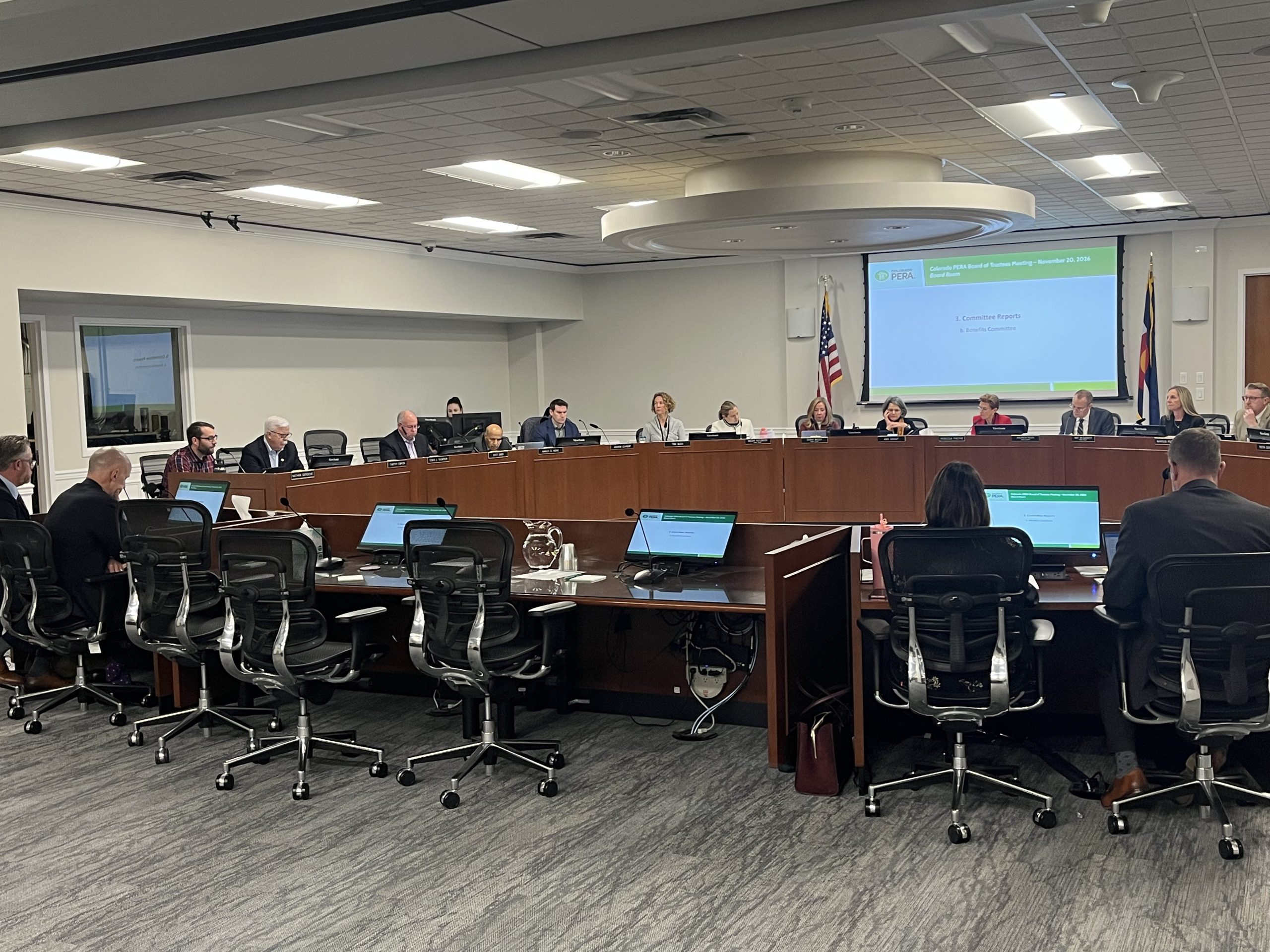
Colorado PERA Board Votes 11-5 to Slash Investment Staff Bonus Caps
“I don’t like this at all,” said Andrew Schremp, a gubernatorial appointee on the board who works in...
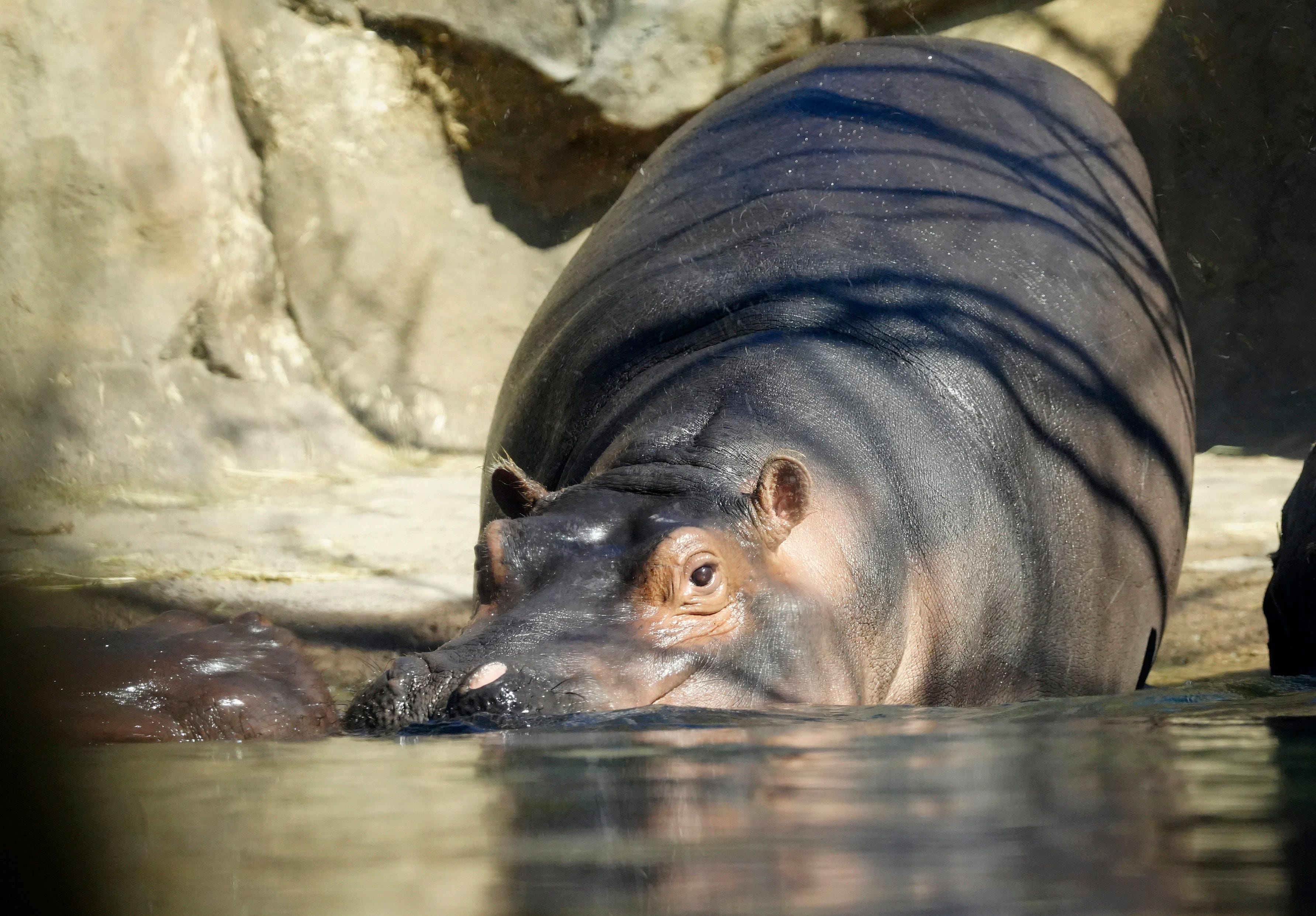
Fiona the Hippo Dies at 9 After Swallowing Hat, Zoo Says; Father Henry Once Lived at Springfield Zoo
Fiona, the premature Nile hippo who weighed just 29 pounds at birth and became a global phenomenon, died...