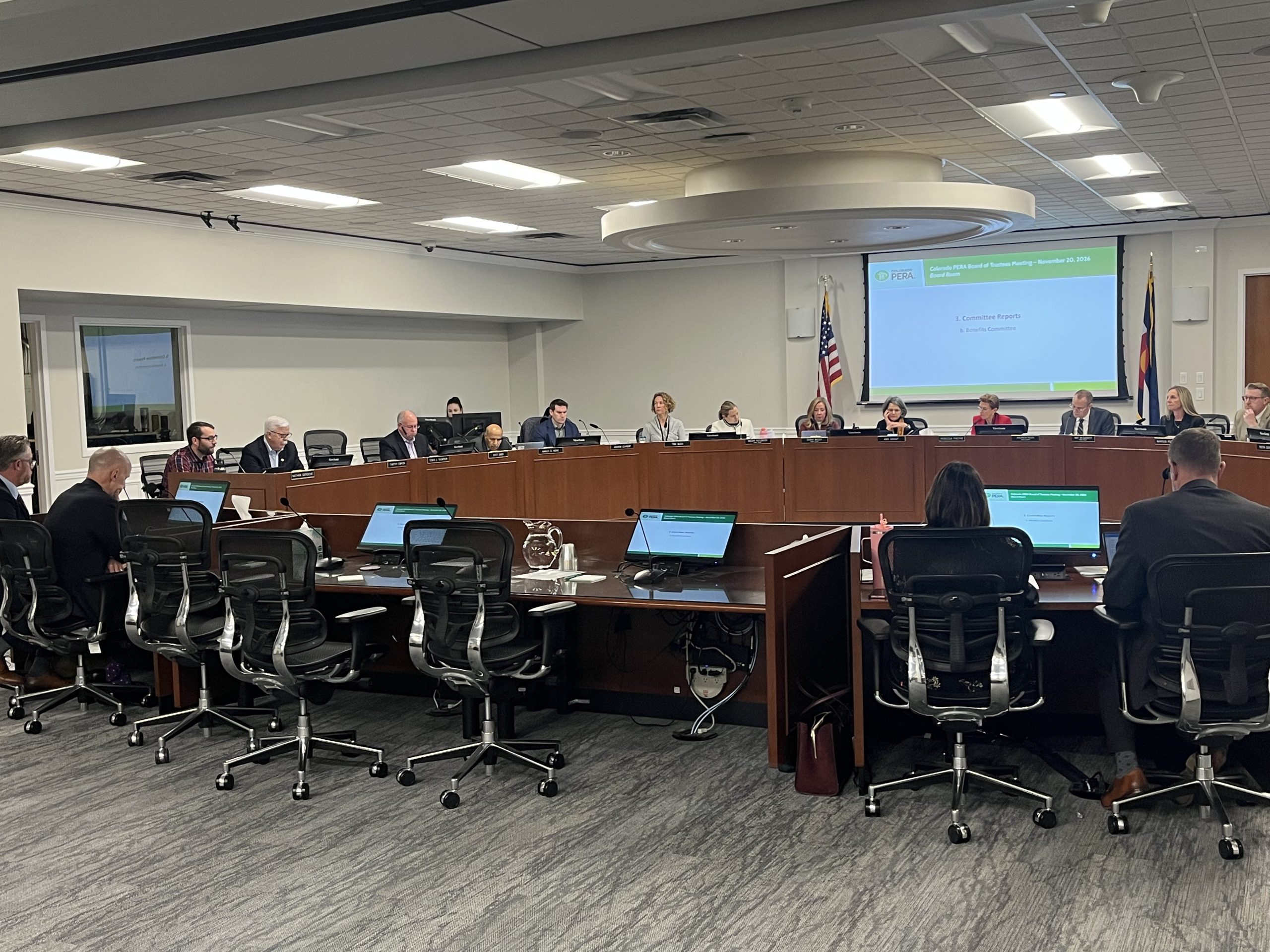
“I don’t like this at all,” said Andrew Schremp, a gubernatorial appointee on the board who works in private equity.
“I don’t even know why we’re having this discussion.” The Colorado Public Employees’ Retirement Association board voted 11-5 on Friday to slash incentive caps for its investment staff, bowing to political pressure after a Colorado Sun investigation revealed bonuses reaching three times base pay while retirees absorbed benefit cuts, The Colorado Sun reported.
-
The Bottom Line:
- Top investment officials now face a 150% bonus cap, down from 225%; analysts drop to a 50–100% range from the prior 75–150% band.
- The board’s move preempts threatened legislation that could have imposed harder limits, including a proposed ban on bonuses in negative-return years.
- PERA officials say internal management of many assets saves $100 million versus relying on outside firms, a figure now at risk if talent departs.
Investigation Forces Policy Reversal
The June investigation by The Colorado Sun exposed a 2018 compensation policy that targeted total pay above the 75th percentile of a peer group blending top public pensions with private-sector firms and endowments. That structure produced incentive payouts worth as much as 300% of salary for senior staff, even as PERA reduced retiree benefits.
Executive Director Andrew Roth told the board the old formula would have required $32 million in total compensation for the investment team — $8 million more than the new plan. “That would put us out in front of any other public fund in the United States,” Roth said.
Bonus Targets Align with Public Peers
The replacement policy ties bonus targets to the top quartile of public-pension peers only, while pegging the private-sector comparator to the bottom quartile of banks, investment firms and foundations. Roth described the resulting posture as “comfortably aligned with our peer group.” CalPERS, the nation’s largest pension, caps investment bonuses at 270% of salary, providing a ceiling well above PERA’s new 150% limit for senior officers.

| Role | Old Maximum Bonus (% of Salary) | New Maximum Bonus (% of Salary) |
|---|---|---|
| Top Investment Officials | 225% | 150% |
| Investment Analysts | 75%–150% | 50%–100% |
Board Split Highlights Governance Tension
Five members voted against the reduction. Simon, a board member, questioned the board’s role in setting staff compensation. “I feel strongly that this is a CEO responsibility,” he said. “Getting into the weeds with governance of the investment compensation program I think is going in the wrong direction.”
Retiree Advocates Demand Harder Triggers
Chris Kolker, a Centennial Democrat, has proposed banning bonuses entirely in years when PERA loses money on its investments, like it did in 2022. Despite the down year, nine investment officials received more than $400,000 each in incentive pay based on their performance. The approved policy grants the board authority to defer bonuses for 12 months after a negative return — but not to cancel them.
“When members and retirees are being asked to make sacrifices to keep PERA financially strong, they should have the confidence that the system is working just as hard on their behalf,” Karen Wick, program manager for Secure PERA, told the board Friday. “That means ensuring that the board has the authority and discretion to exercise strong and credible oversight when the fund is not meeting its financial obligations.”
Legislative Threat Looms Over Next Session
Board member Tina Mueh, a retired schoolteacher, framed the vote as defensive. “We are not doing this in a vacuum,” she said. “This is a preemptive move.”
The next test arrives with the 2026 legislative session, where Kolker’s bill proposes outlawing bonuses in years when PERA loses money on its investments.
Disclaimer: The information provided in this article is for educational and market analysis purposes only and does not constitute financial, investment, or legal advice. Always consult with a certified financial professional before making investment decisions.
Related reading

Inter Miami CF Opens MLS Cup Title Defense vs. Columbus Crew in Round One Game 1
Inter Miami CF opens its MLS Cup title defense Saturday at 6 p.m. ET, hosting the Columbus Crew...
Theodore Roosevelt Presidential Library Unveils Spirit of the Land Holiday Installation
The Theodore Roosevelt Presidential Library unveiled its first holiday installation Friday night, lighting six artisan trees built entirely...

Connecticut Divorce Costs: $360 Filing Fee, Attorney Fees Drive Unpredictable Total
Connecticut charges a $360 entry fee to start a divorce in Superior Court, plus a state marshal's fee...
Mississippi Deploys Truv Tool Aimed at Reducing SNAP Errors, Possible Penalty
Mississippi’s Department of Human Services rolled out a new income-verification platform Thursday, a move that could determine whether...