Mississippi Mail Ballot Curing Rules Eliminated Before Tight Senate Race
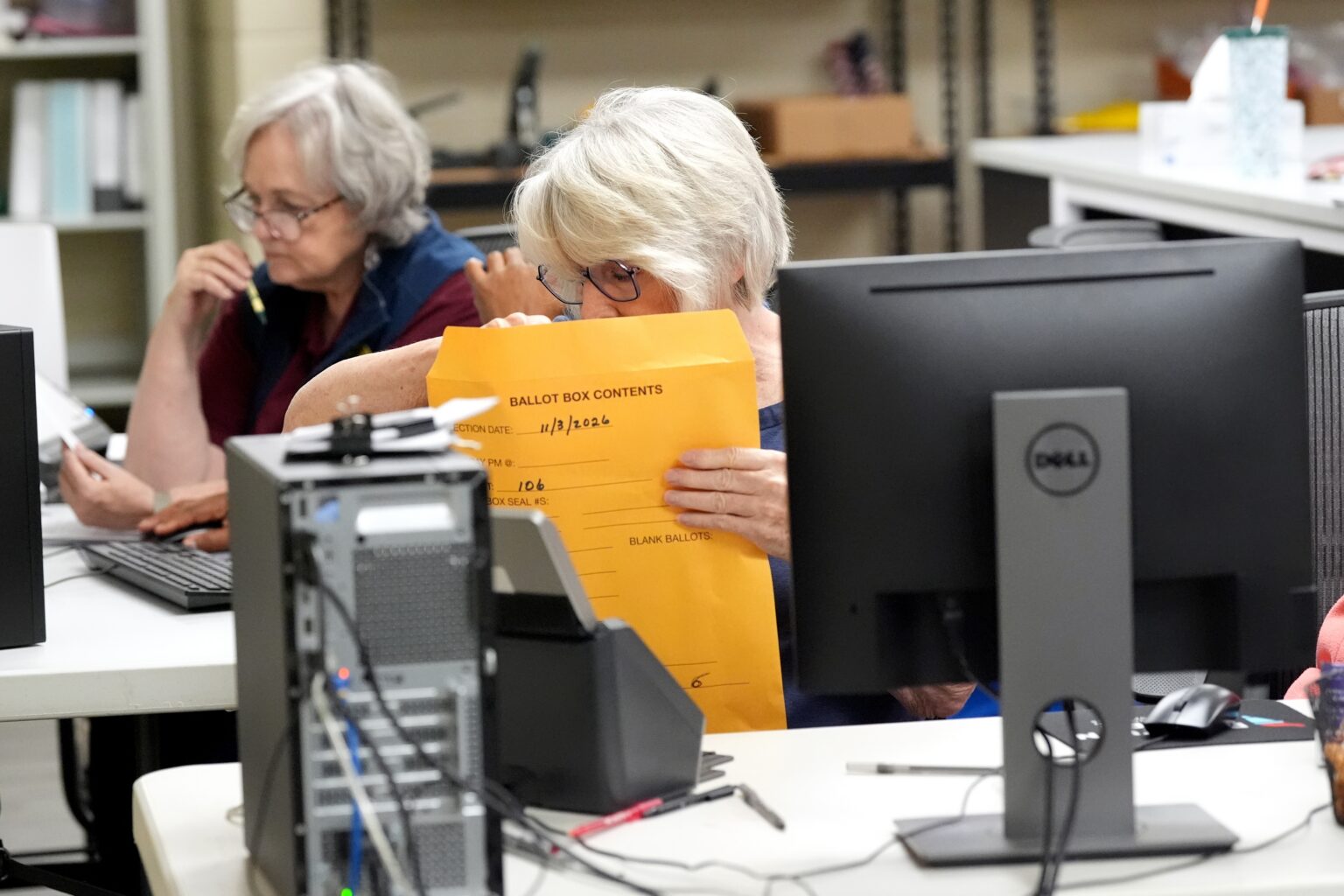
The U.S. Senate race in Mississippi between Democratic challenger Scott Colom and incumbent Republican Sen. Cindy Hyde-Smith has tightened into a contest where every remaining vote carries significant weight. As of November 6, 2026, the outcome rests on a dwindling pile of provisional and mail-in ballots. However, thousands of those votes face a new hurdle: the state no longer allows voters to fix minor technical errors, such as signature mismatches, on their mail-in ballots.
There is a reason Mississippi has gone from being ranked 26th to 11th in the country in election integrity policies. We have implemented every available resource to ensure our elections are secure, and to ensure we do not have dead people, illegal aliens, people with false… https://t.co/0OwpxSkavR
This development stems from a quiet administrative change made months ago. As reported by Democracy Docket, the Mississippi secretary of state’s office moved to delete the entirety of Chapter 4, the regulation that previously provided a mechanism for voters to “cure” mail-in ballots. A spokesperson for Secretary of State Michael Watson’s office confirmed to the outlet that there are currently no steps available for curing a mail-in ballot.
The Disappearance of Chapter 4
For years, the procedure for curing ballots was a standard safeguard in Mississippi elections. When election officials identified a signature discrepancy on a ballot envelope, they were required to notify the voter, who could then provide identity verification to ensure their vote was counted. This protocol was established in October 2020 following a lawsuit filed by the Southern Poverty Law Center and other voting rights organizations, which challenged the state’s previous lack of a curing process as unconstitutional.
The lawsuit was dismissed after the parties reached an agreement that included the adoption of the curing provision. Because the secretary of state’s office removed the rule through a temporary rule promulgation earlier this year, the change did not technically violate any standing court orders. Despite the rule being deleted, the outdated regulations remain published on the secretary of state’s official website, leading to widespread confusion among voters and civil rights groups who have been instructing residents on how to cure ballots using a process that is no longer in effect.
Provisional Ballots and Voter Inactivity
The stakes are further complicated by the state’s handling of voter registrations. Secretary of State Watson has faced criticism for a decision to flag more than 200,000 voter registrations as “inactive” based on private data obtained from the credit reporting agency Experian. This designation has forced a high volume of voters to cast “affidavit” or provisional ballots, which require additional processing time and manual verification by election officials.

Unlike many other states, Mississippi does not have a comprehensive recount law to govern close elections. This absence severely limits the ability of campaigns to petition officials to review or count ballots that have been discarded due to minor technical errors. For voters, the practical impact is immediate: if a ballot is flagged for a signature issue, there is now no legal path to rectify the error, rendering the ballot effectively void.
The current situation highlights a stark contrast in election administration. While some states have moved toward expansive curing periods to ensure maximum voter participation, Mississippi has opted for a more restrictive framework. With the Senate race hanging in the balance, the inability to cure ballots serves as a critical bottleneck, potentially deciding the victor by excluding votes that, under previous rules, would have been counted.
Keep reading

OKC Thunder face Memphis Grizzlies in NBA Cup opener
Oklahoma City Thunder Tip Off NBA Cup Campaign Against Memphis The Oklahoma City Thunder take their show on...

How the North Dakota State Historical Society Selects Donations
Every year, the State Historical Society of North Dakota sifts through a steady stream of physical memories—items ranging...
NYC Council to hold oversight hearing on lithium-ion battery fires
City Council Targets Escalating Lithium-Ion Battery Fires New York City is bracing for a significant shift in fire...

New Jersey industrial deliveries drop 58% as scarcity tightens market
New Jersey industrial deliveries drop 58% as scarcity tightens the market New Jersey is shifting toward a landlord's...