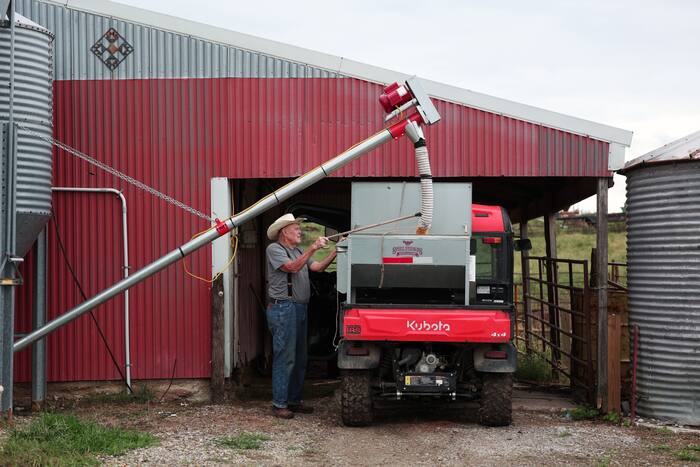
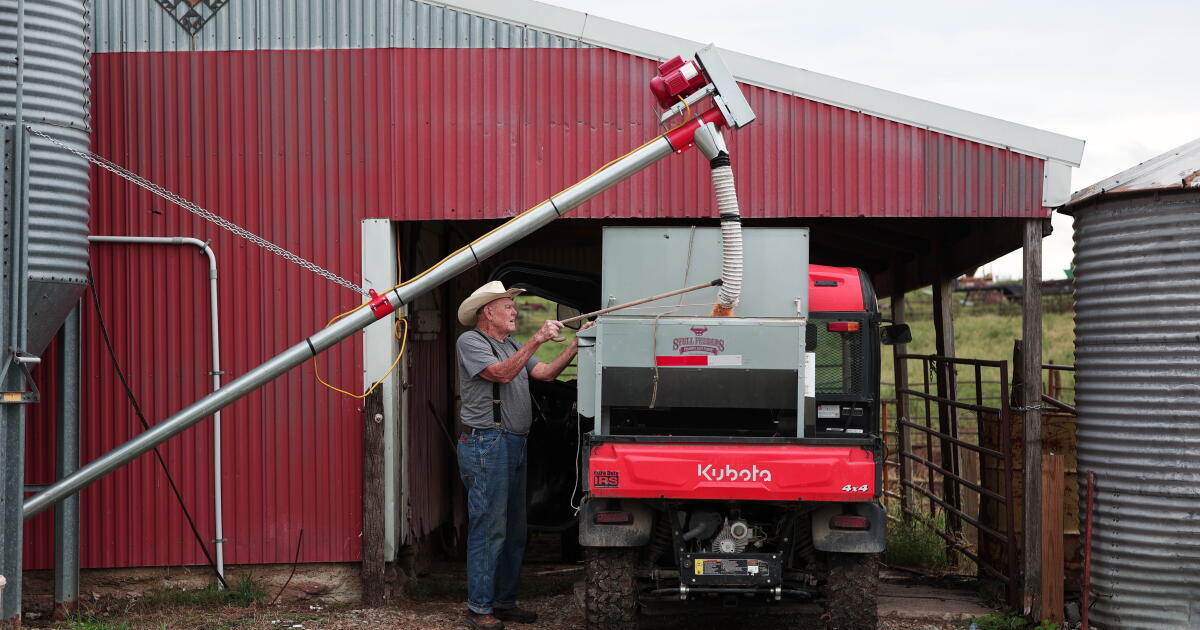
Katie Newberry, 81, and Gerald “Buster” Newberry, 87, will be the last in their family to farm their land near Parnell, Missouri, as none of their children or grandchildren have chosen to continue the operation, News4JAX reported.
- Missouri lost roughly 10,000 farms between 2015 and 2024; farm income projected to drop 17% in 2026.
- Average Missouri farmer age is nearly 58; mid-career producers (35–64) fell 9.2% from 2017 to 2022.
- Beginning farmers in Missouri rose from 41,416 in 2017 to 46,312 in 2022, but face high land costs and debt.
Seventy years on the same ground
In 1965, two years into their marriage, the Newberrys bought their first 200 acres for about $250 an acre, eventually expanding to 1,000 acres, according to the Associated Press report carried by News4JAX, the Los Angeles Times, the Southeast Missourian and WBAL. “We just had a few milk cows — seven or nine — and four sows,” Katie Newberry recalled.
“We bought a milker for $200, and the milk carrier would make pickups each week.” Persistent drought across the Midwest made dairy production more costly, so the couple transitioned to beef and grain crops, running the operation with only one hired hand even as the herd reached 400 head.
Today the fields are leased — about 850 acres of cropland and 150 acres of pasture to local corn and soybean growers — while Buster Newberry still drives an ATV each morning to feed a few dozen remaining cows. “The day Buster doesn’t go out and do what he can on the farm, we’ll know something happened to him,” said granddaughter Katlyn Miller, 27, speaking to News4JAX.
A demographic shift reshaping rural Missouri
The USDA’s 2022 Census of Agriculture puts the average age of Missouri producers at nearly 58, while the number of mid-career farmers aged 35–64 dropped 9.2% from 2017. Across the country, the United States is losing 2 million acres of farmland each year as urban development and other infrastructure demands encroach on the countryside, according to the U.S. Department of Agriculture.
“When you lose a farmer, you potentially lose a customer for the local equipment dealer, feed store, bank and veterinarian, as well as a taxpayer, community leader and volunteer,” said Garrett Hawkins, president of the Missouri Farm Bureau, in the AP reporting. “Farm succession is really a rural-community issue.”
Alejandro Plastina, director of the University of Missouri’s Rural and Farm Finance Policy Analysis Center, said crop production has been less profitable every year since 2023.
Large owners who hold land debt-free can absorb lower earnings, “but that’s not the case for beginning farmers or even younger farmers,” Plastina said, putting small and mid-scale growers at risk of exiting. High land rents compound the pressure: “it’s really hard” for tenants who must reserve a large share of earnings for rent, he added.
Newberrys built diversified farm over seven decades
Over nearly 70 years, they raised or grew everything from sheep and cattle to corn and beans on land near Parnell, Missouri, according to the Associated Press reporting carried by News4JAX and the Los Angeles Times.
“We just had a few milk cows — seven or nine — and four sows,” Katie Newberry, 81, recalled in the AP account. “We bought a milker for $200, and the milk carrier would make pickups each week.” The operation remained primarily family-run throughout, the articles noted.
Demographic pressures mount on Missouri agriculture
“When you lose a farmer, you potentially lose a customer for the local equipment dealer, feed store, bank and veterinarian, as well as a taxpayer, community leader and volunteer,” said Garrett Hawkins, president of the Missouri Farm Bureau, in the AP reporting. “Farm succession is really a rural-community issue.”
Missouri tax deduction targets new farmer entry costs
Missouri’s Beginning Farmer Tax Deduction aims to ease entry costs by incentivizing established farmers to enter rental, sale or crop-share agreements with producers who have less than 10 years of experience.
The number of new and beginning producers in the state rose from 41,416 in 2017 to 46,312 in 2022, the USDA census shows. “But this is bigger than any one program,” Hawkins said, calling for expanded access to affordable credit, risk-management tools and regulatory relief.
The Newberrys will pass the land to their two daughters. “You spend all your life building this and then what do you do with it?” Katie Newberry said. “They’ll just do what they want with it.”
Keep reading

Georgia Strengthens Hold on No. 1; UCLA, Indiana Tumble in Coaches Poll
Georgia strengthened its hold on the No. 1 spot in the US LBM Coaches Poll on Sunday after...

Indigenous Women’s Club Expands Cultural Programs at Eddie Warrior Correctional Center
"We aren't the Native Club; we are the Indigenous Women's Club," said Stacie Jones of the Seminole Nation....

Eagle Lincoln Delays Return Three Minutes Before Steelers Game
Philadelphia Eagles bald eagle Lincoln took an unscheduled three-minute flight around Lincoln Financial Field before Sunday's game against...

Ithaca to Play for Sixth Title; Greater Lansing Champions Since 2000 Listed
Ithaca will play for its sixth MHSAA football state championship since 2010 when it faces Ottawa Lake Whiteford...