
- National Weather Service New York office monitors a coastal storm for NYC, Long Island and lower Hudson Valley from Thanksgiving into Friday.
- Upstate faces lake-effect snow showers Tuesday and Wednesday along I-80, I-81 and I-90, with widespread heavy snow not expected.
The exact timing and magnitude of its impacts remain uncertain, the National Weather Service said.
Models differ on arrival. The American model, or GFS, suggests precipitation will arrive around noon on Thursday, while the European model favors a later arrival around 5 p.m., CBS News New York reported. Regardless of arrival timing, the impacts will be the same, the station said. Heavy rain could amount to 1–3 inches and result in localized flash flooding, CBS News New York reported, citing model guidance. Wind gusts between 30–50 mph are depicted by models, with some exceeding 60 mph possible, CBS News New York reported. Gusts that high will certainly elevate the risk of power outages, the station said. AccuWeather says strong winds could also produce sporadic power outages in portions of the Atlantic Seaboard and Appalachians. Coastal flooding and beach erosion are possible along parts of the East Coast as the storm strengthens.
Inundation levels could range from 1–3 feet, potentially enhanced by the lingering effects of the full moon on Tuesday, CBS News New York reported. AccuWeather says increasing winds could raise seas and tides along the Atlantic Coast. With current forecasted gusts between 25–30 mph, the balloons should be able to fly, the station said. Upstate New York faces a less clear forecast. A separate weather system and colder air could produce lake-effect snow showers before Thanksgiving.
Colder air is expected to move into the Northeast ahead of Thanksgiving. Overnight lows will range from the low 20s to low 30s regionwide, CBS News New York reported. The last time the city reached the freezing mark was April 8.
New York City is among the major air-travel hubs that could experience delays on Thanksgiving Day. Road travel could also be affected where heavy rain, strong winds or scattered snow showers develop.
Worth a look
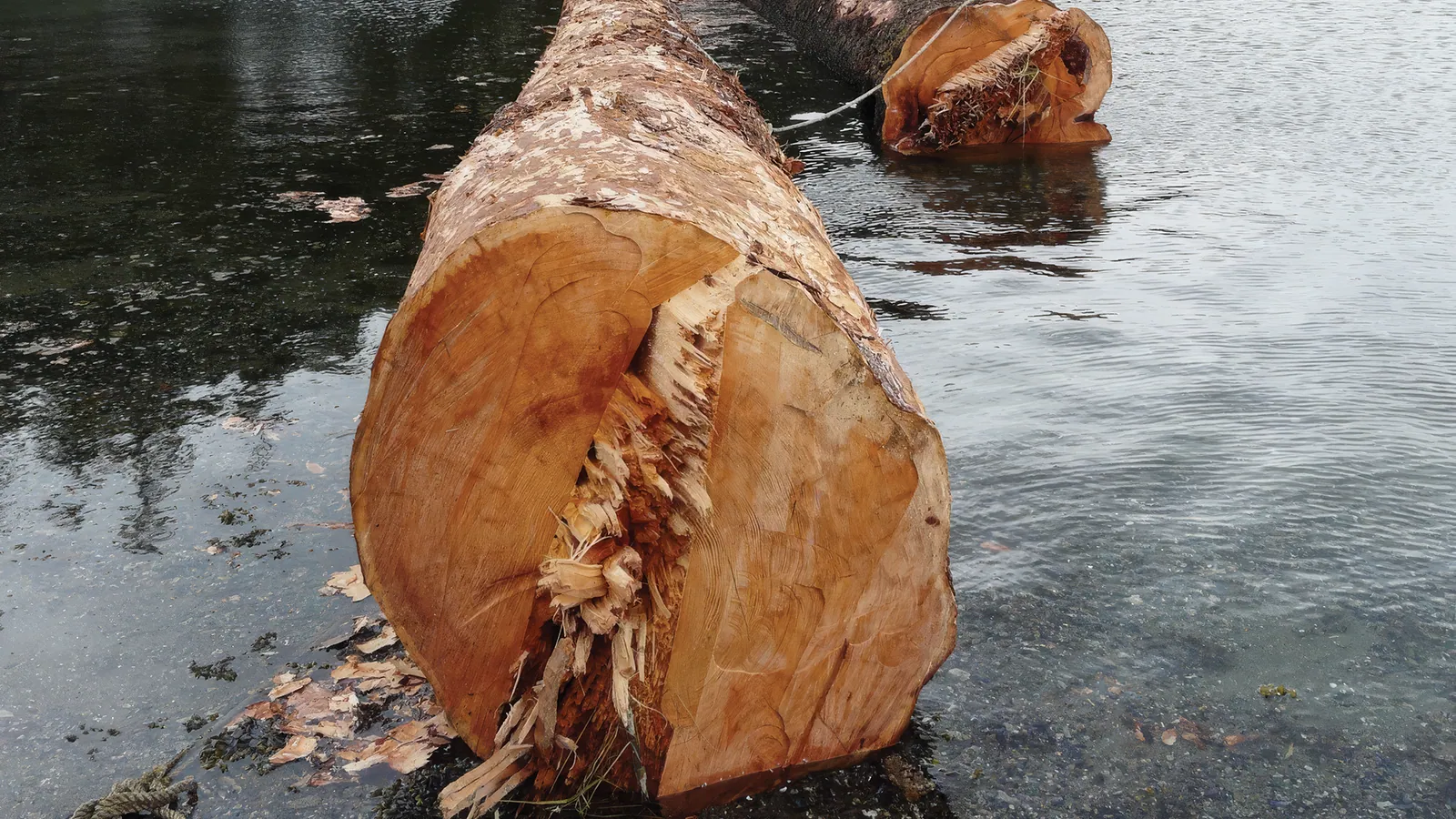
Alaska Forest Association Cites Forest Service Missed Timber Target for Uncertainty
“The industry cannot survive on just-in-time timber sales,” said Gretchen Axelson, executive director of the Alaska Forest Association....

UAH Optics Tech Developed for NASA Roman Telescope Before Launch
NASA's Nancy Grace Roman Space Telescope launched Aug. 30 aboard a SpaceX Falcon Heavy from Kennedy Space Center,...

Cam Skattebo Backflips Again After Pledging to Stop, Giants Beat Jaguars 23-18
New York Giants running back Cam Skattebo backflipped at MetLife Stadium on Sunday, five days after telling reporters...

Arizona Board of Regents: State Needs 10,000 More Degree Holders
Arizona needs 10,000 more workers with bachelor’s degrees to fill jobs created over the past decade, the Arizona...