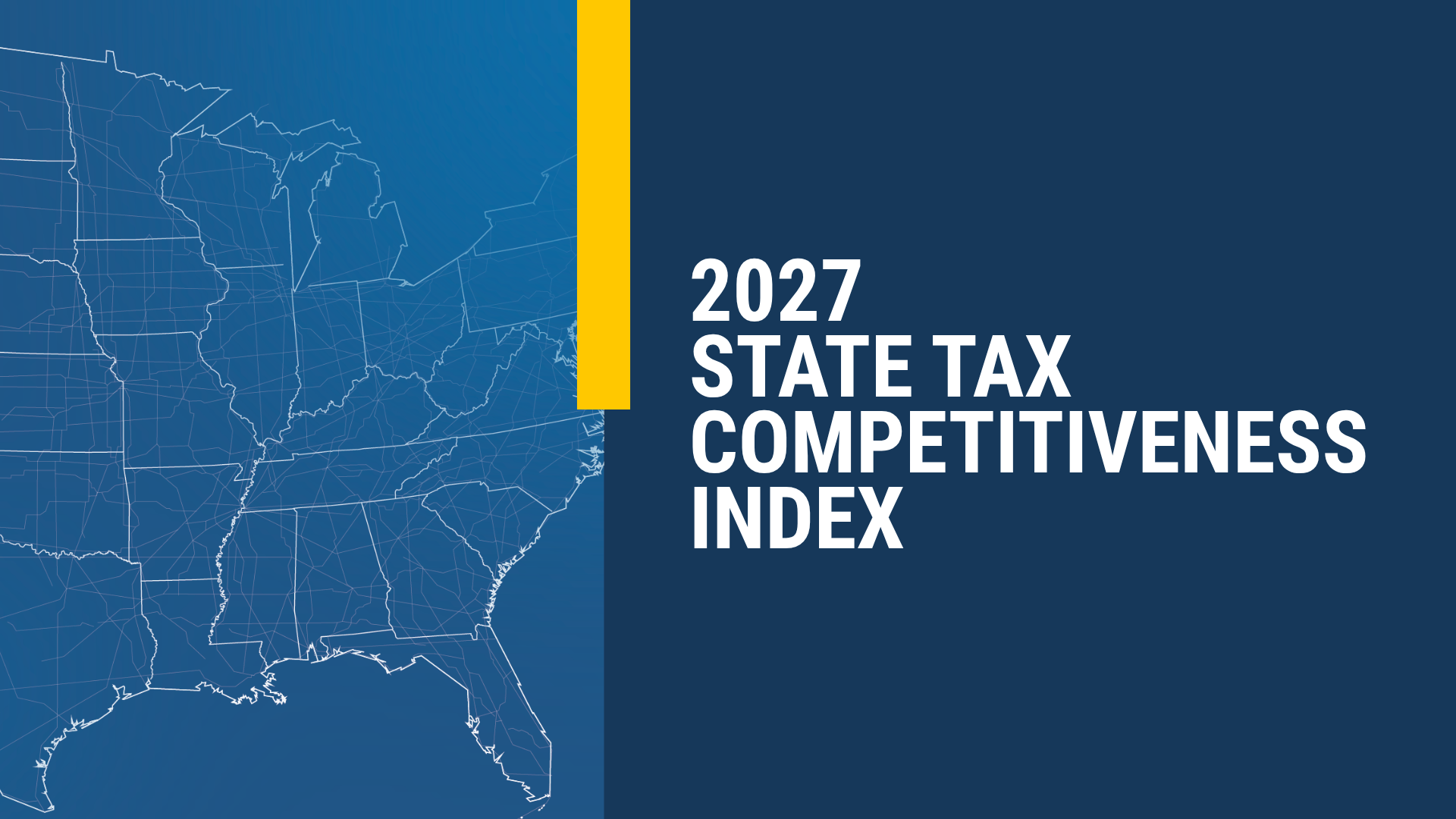
Missouri Jumps 3 Spots to 9th in National Tax Rankings
While many states saw their tax climates slip, Missouri is moving in the opposite direction. The Show-Me State climbed from 12th to 9th in the 2027 Index, a significant jump that places it firmly among the Index’s top 10. The report highlights a strategic decision to resist certain federal changes, a choice that appears to have paid off in the rankings.
This isn’t just a number on a list; it’s a reflection of a deliberate policy path. Missouri’s rise comes as other states like Idaho, Indiana, and North Dakota fell in the rankings. The key difference lies in how each state chose to interact with new federal expensing provisions under the OBBBA. Missouri, it turns out, made some moves that insulated its tax base and improved its overall standing.
Why the Jump? a Tale of Two Paths
So, how did Missouri make this leap? The report points to two major factors working in the state’s favor. First, Missouri conformed to the new, increased expensing provisions included in the federal OBBBA. This move allows businesses to deduct the cost of certain investments more quickly, which generally makes the state’s corporate tax code more attractive and competitive.
Second, and perhaps more importantly, Missouri resisted conforming to the federal exemptions for tipped and overtime pay. While other states adopted these exemptions, which would have narrowed their income tax base, Missouri stood firm. By keeping its income tax base broad, the state ensured a more stable and less complex revenue stream, a decision the Index clearly rewarded.
Think of it like this: one state chose to follow every new federal rule, potentially creating loopholes, while Missouri picked and chose, conforming only where it made sense for its own economy. That selective approach, focused on a broad and stable tax base, is the engine behind its three-spot climb.
The Breakdown: Where Missouri Shines and Where It Stumbles
Missouri’s overall score of 5.66 out of 10 is a solid reflection of its strengths and weaknesses. The state truly excels in two key areas, showcasing a pro-business environment that is paying dividends.
Its corporate tax component is a powerhouse, ranking 3rd in the nation. This is a direct result of applying a low rate to a broad base, while also avoiding several harmful taxes that plague other states. Missouri avoids a throwback rule, a capital stock tax, an inventory tax, gross receipts taxes, and estate or inheritance taxes—all of which can create friction and complexity for businesses. Its unemployment insurance tax is also a standout, ranking 7th, indicating a well-managed system that provides support without placing an undue burden on employers.
On the individual income tax front, Missouri also performs well, ranking 12th. The state uses the same successful playbook: low rates applied to a broad base.
The state’s sales tax component ranks 26th. The culprit here isn’t a flawed structure—in fact, Missouri has a uniform state and local sales tax base and avoids taxing many business inputs, which is a positive. The problem is high rates. The combined state and average local sales tax rate is high, pulling its score down. This is the result of Missouri’s average local rate being nearly as high as the statewide rate. Complicating matters, a voter-approved constitutional amendment restricts the broadening of the sales tax base, making it difficult to adapt to a changing economy.
Missouri Climbs to Top 10 Ranking
This year’s top 10 finish is the culmination of a steady, if not perfectly linear, climb. Looking back at the data from 2020, Missouri ranked 12th. The journey included a dip to 13th in 2025, but the overall trend has been positive, culminating in this year’s impressive 9th-place finish.
For Missouri, this top 10 ranking in the 2027 Index could make it more attractive for companies looking to relocate or expand, for entrepreneurs launching new ventures, and for skilled workers seeking a place with a lower overall tax burden.
While the report is a snapshot in time—measuring laws as of July 1, 2026—it sets a high bar for the future.
Worth a look

Iowa Beats Eastern Illinois 76-54 as Reserves Lead Season-Opening Win
Iowa’s basketball season is off to a familiar, yet quietly powerful, start. Ten different Hawkeyes scored, leading Iowa...

Boise State Sets Program Records in 132-53 Win Over West Coast Baptist
Boise State Shatters Records in 132-53 Season Opener Rout ExtraMile Arena saw history made Wednesday night as the...
Delaware Democrats Secure Supermajority
Delaware voters didn't just show up to the polls on Tuesday. They made history. The First State delivered...

Hartford Men’s Basketball Aims for Growth in 2026-2027 Season
WEST HARTFORD, Conn. – The Hartford men's basketball team kicks off their 2026-2027 season aiming to build upon...