
The Minnesota House of Representatives is preparing an internal reorganization for the 2027 legislative session. With the DFL party set to return to the majority following a two-year period where the chamber was evenly split between 2025 and 2026, leadership has announced a major expansion of its committee structure to address a broader range of policy priorities.
The House will now operate with 33 committees or divisions, a notable increase from the 25 that existed during the 2025-2026 biennium, according to reporting from KTTC. This shift is intended to carve out dedicated space for emerging policy challenges that members felt were previously underserved within the broader committee framework.
Speaker Designate Zack Stephenson, a DFL member from Coon Rapids, explained that the new structure is designed to allow representatives to focus their legislative bandwidth on specific, pressing issues. “We have committees that are focused on healthcare and education, for example, but some of the concerns that were raised are around issues that we wanted to make sure were properly addressed,” Stephenson told KTTC.
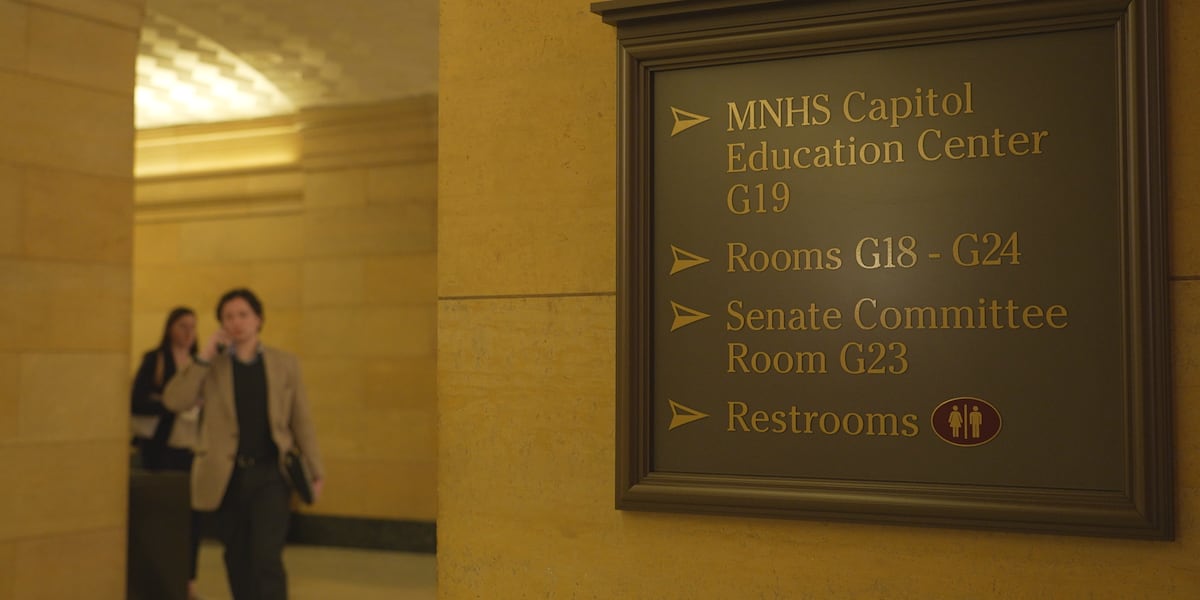
The new slate of committees includes dedicated bodies for Climate & Energy Finance and Policy, Labor & Industry Finance and Policy, Pollution & Waste Reduction Finance and Policy, and Technology Policy. Four existing standing committees will now house new divisions for more detailed oversight. These include a Preventing Homelessness Division under the Human Services Finance Committee and a Data Practices, Privacy, & Human Rights Division under the Judiciary Finance & Civil Law Committee.
Other additions include a Property Tax Division within the Taxes Committee and a Federal Impacts Division under the Ways & Means Committee. These changes, as reported by KEYC and Northern News Now, reflect a strategy to streamline focus on fiscal, regulatory, and rights-based legislation that has become increasingly complex in recent years.
Not everyone views the expansion as a move toward efficiency. House Minority Leader Harry Niska, a Republican from Ramsey, expressed skepticism regarding the sheer size of the new committee roster. He warned that the structural changes could lead to an environment characterized by increased bureaucracy and oversight.
“A lot of the committee titles and committee chairs appear to be geared towards increasing government regulation, increasing taxes, increasing costs on Minnesotans,” said Harry Niska, House Minority Leader.
Niska’s critique highlights the central tension within the Capitol as the state moves toward 2027. While DFL leaders frame the new divisions as a way to provide deeper, more thoughtful policy work, the minority caucus views the expansion as a potential mechanism for accelerating the pace of government growth and legislative intervention.
For the average Minnesotan, the impact of these changes will likely be felt in the volume and focus of hearings held during the coming session. By isolating property taxes and data privacy into their own divisions, the House shows these topics will be central to the legislative agenda in the months ahead.
The House of Representatives is scheduled to officially transition into this new committee structure when the 2027 legislative session convenes.

Texas Real Estate Research Center Reports Existing-Home Sales Declined 1.6 Percent in September 2026
Texas housing market momentum shifted toward a slower pace in September 2026, as seasonal cooling joined forces with...
Milwaukee Led Western Michigan 24-22 Midway Through First Half
Milwaukee erased a six-point deficit and led Western Michigan by a single possession midway through the first half...
Sen. Kevin Cramer Criticizes DOJ for Dropping Alaska Election Probe
U.S. Senator Kevin Cramer expressed sharp disapproval on Friday regarding the Department of Justice’s reported decision to close...

Dawn Staley Says South Carolina Puts Specific NIL Figure in Front of Recruits
South Carolina women's basketball coach Dawn Staley said Friday she puts a specific NIL figure in front of...