
Texas housing market momentum shifted toward a slower pace in September 2026, as seasonal cooling joined forces with persistent economic headwinds to keep buyers on the sidelines.
The Texas Real Estate Research Center reported that existing-home sales across the state reached 20,200, a 1.6 percent decline compared to the same month last year. This marks the second consecutive month of year-over-year sales drops, illustrating a market increasingly defined by caution rather than the frantic activity seen in recent years.
For prospective buyers and sellers, the primary friction point remains the cost of borrowing. High mortgage rates have reduced purchasing power, causing many potential buyers to wait for lower rates. While year-to-date sales volume remains 3.3 percent ahead of 2025 levels through the third quarter, the recent monthly data suggests the window for easy market gains has closed.
Statewide, the median existing-home price sat at $325,000 in September, a figure that remains unchanged from a year ago. This stagnation reflects a tug-of-war between different regional dynamics. While cities like Houston and parts of the Fort Worth metro division have seen signs of modest stabilization, Austin, Dallas, and San Antonio continue to grapple with measurable downward pressure on pricing.
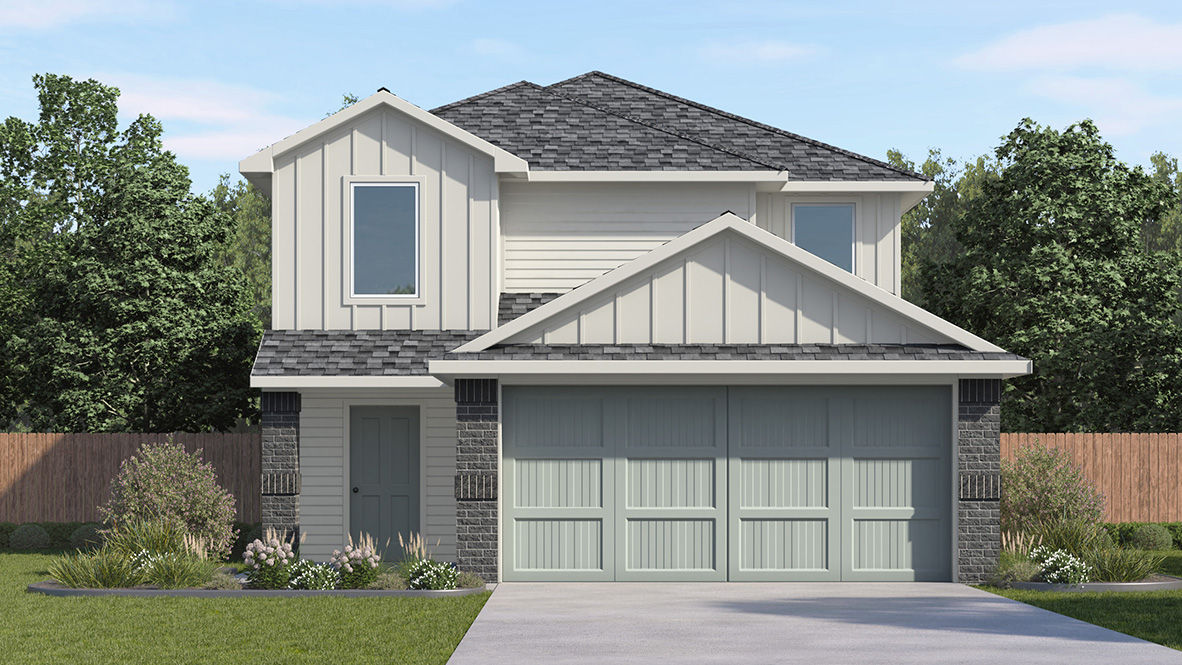
The inventory situation further highlights the current imbalance. At the end of September, for-sale inventory reached nearly 154,200 listings, a 5.6 percent increase from the previous year. Despite this, the turnover rate remains sluggish.
Fewer than two out of every ten homes listed for sale during the month actually went under contract, a reality that keeps active supply at a 5.7-month level—a condition that theoretically favors buyers but is currently hampered by the high cost of entry.
| Market Indicator | September 2026 Value | Year-Over-Year Change |
|---|---|---|
| Texas Existing-Home Sales | 20,200 | -1.6% |
| Active Inventory | 154,200 | +5.6% |
The human cost of this market environment is most visible in the extended time homes spend on the market. Properties sold in September sat for an average of 65 days, up from 63 days a year ago.
For sellers, this often translates into price concessions; the median seller price cut remained steady at $15,000, representing roughly 4.5 percent of the initial listing price. These figures show that in a high-rate environment, homeowners planning to relocate or cash out have less margin for error.
The broader economic stakes involve not just individual buyers, but the health of the construction and lending sectors. While new-listing activity has eased seasonally, it remains slightly above year-ago levels, suggesting that homeowners are still coming to market despite the soft demand. This creates a challenging environment for builders, who must balance construction costs against a buyer pool that is increasingly price-sensitive.
Looking ahead, the market is expected to remain soft through the end of the year. The U.S. Census Bureau and regional data suggest that unless financing conditions improve, demand will likely stay restrained, keeping sales volume low and price growth muted.
Critics of the current market stagnation often point to the “lock-in effect,” where homeowners with low mortgage rates from previous years are disincentivized to sell, which restricts the supply of move-in-ready homes and further complicates affordability for first-time buyers.
The data from September is based on more complete, revised figures, providing a clear window into the current state of the Texas economy. As the year winds down, the state’s housing sector remains in a holding pattern, waiting for a signal from the broader economy that mortgage rates are ready to retreat from their current peaks.
Worth a look

Norma Sanders Bourdeaux died in Oxford, Mississippi on Nov 11, 2026
Norma Sanders Bourdeaux died in Oxford, Mississippi, on November 11, 2026, at 96, leaving a ledger of firsts...
Boise Hawks and Idaho Falls Chukars Compete for Annual Highway Series Cone
For the Boise Hawks and the Idaho Falls Chukars, the prize at stake isn’t a gold-plated cup or...

Rhode Island State Police Close Aging Barracks, Move to New Southern Complex
The Rhode Island State Police officially shuttered their long-standing Hope Valley and Wickford barracks on Friday, marking a...

Hornets and Hawks Announce Starters for NBA Cup Clash in Atlanta
The Charlotte Hornets entered their recent NBA Cup matchup looking to rewrite a painful narrative, but instead found...