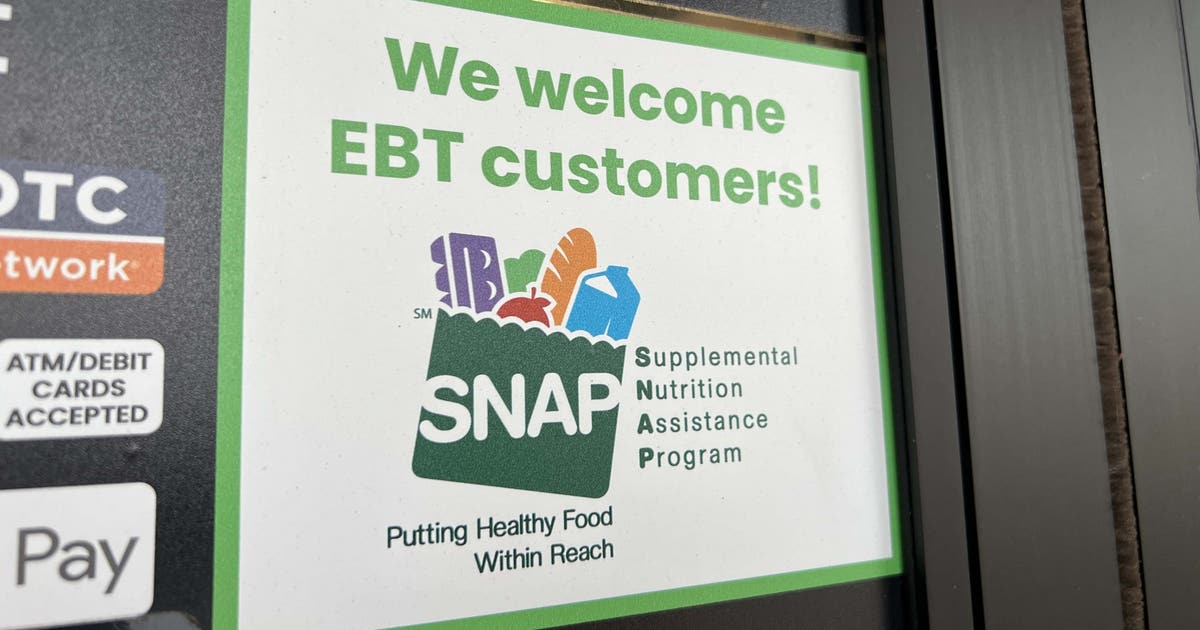
Starting November 1, SNAP recipients in Montana, North Dakota, South Carolina, and Virginia will be barred from using their benefits to purchase various forms of “junk food,” including sodas and candy. These restrictions are part of a broader push by the “Make America Healthy Again” (MAHA) initiative to limit taxpayer-funded purchases of non-nutritious items.
For over 42 million people relying on the Supplemental Nutrition Assistance Program, the experience at the checkout counter is about to change. While monthly benefit amounts remain the same, the Electronic Benefit Transfer (EBT) cards will simply stop working for specific items. If a shopper scans a restricted soda or a bag of candy, the register will prompt for another form of payment, such as cash or a debit card. The program provides an average of $188 a month per person.
The specific bans by state
While the USDA has approved waivers for 23 states, the actual rules vary depending on which state line you’re standing behind. There is no single “junk food” list; instead, each state has defined its own boundaries of what constitutes a healthy choice.
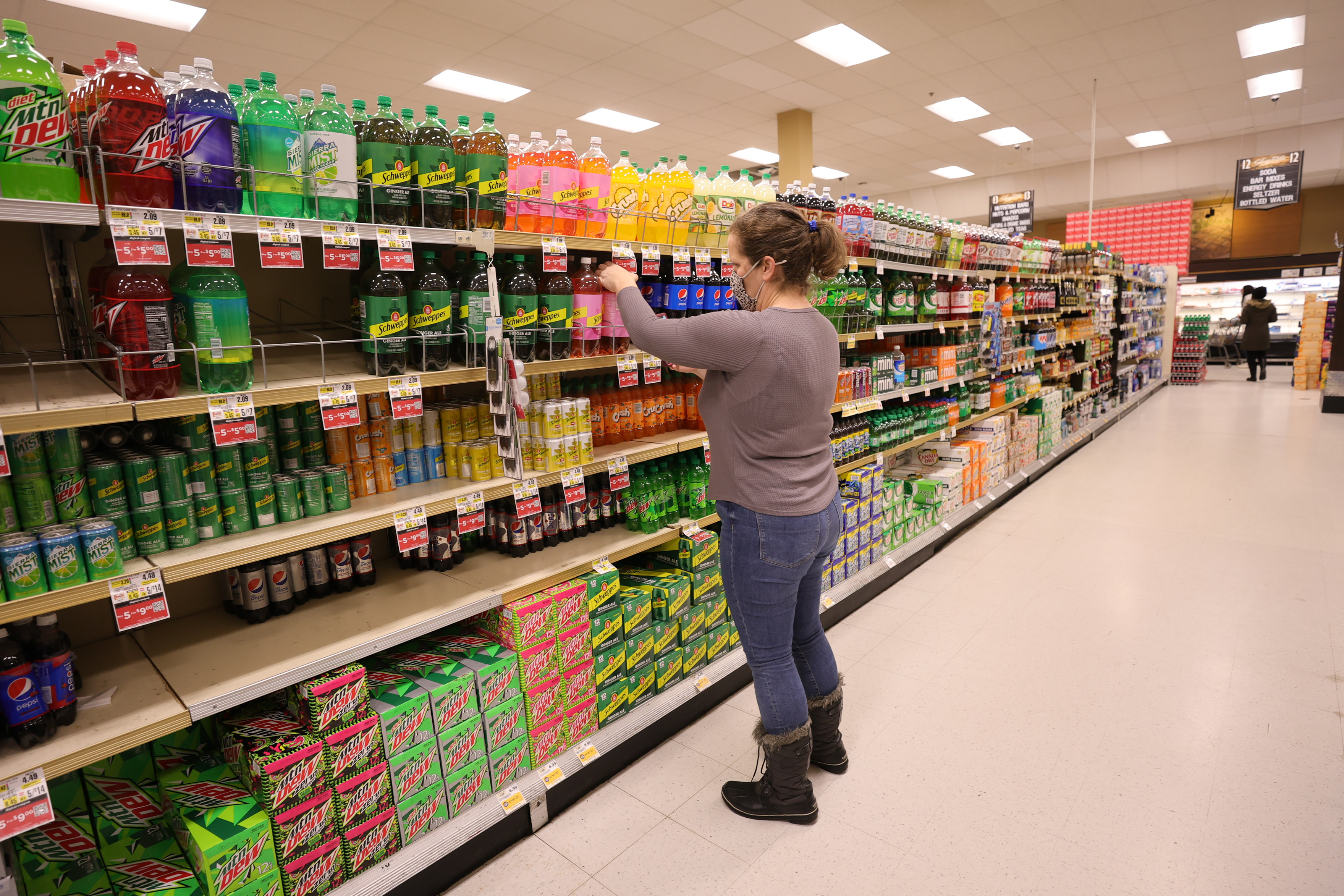
Virginia is taking the narrowest approach. According to the Virginia Department of Social Services, the state is only restricting carbonated sweetened drinks—including diet and “zero” sodas—that contain 5 grams or more of added sugar per serving. Candy remains eligible for purchase in Virginia. South Carolina and North Dakota are broader, banning candy and energy drinks alongside soft drinks, though South Carolina still allows diet and zero-sugar options.
Montana has implemented restrictions on candy and high-sugar beverages (those with more than 10 grams of sugar per 8 fluid ounces), as well as energy drinks and “shelf-stable prepared desserts,” which includes packaged cookies and snack cakes. However, store-made bakery items remain eligible.
| State | Sodas/Sweetened Drinks | Candy | Energy Drinks | Desserts/Other |
|---|---|---|---|---|
| Virginia | Banned (if carbonated) | Allowed | Banned (if carbonated) | Allowed |
| South Carolina | Banned (Diet/Zero allowed) | Banned | Banned | Allowed |
| North Dakota | Banned (incl. tea/lemonade) | Banned | Banned (if ≥65mg caffeine) | Allowed |
| Montana | Banned (>10g sugar) | Banned | Banned | Banned (Packaged/Shelf-stable) |
Kennedy and Rollins promote healthier SNAP options
This shift is how we Make America Healthy Again.
“For years, SNAP has used taxpayer dollars to fund soda and candy—products that fuel America’s diabetes and chronic disease epidemics,” said HHS Secretary Kennedy in a release. Secretary Rollins
Agriculture Secretary Brooke Rollins also endorsed the waivers, stating that they “promote healthier options for families in need.”
Judge vacates approvals for five state rollouts
The rollout has faced judicial setbacks. U.S. District Judge Amy Berman Jackson vacated approvals for Colorado, Iowa, Nebraska, Tennessee, and West Virginia on June 22. The judge found the USDA used the wrong legal authority and failed to publish notice at least 30 days before projects began, ruling that the agency lacked federal authority to bar the purchase of sugary foods and drinks.

These legal issues caused timing shifts for other states. North Dakota and South Carolina were originally set to start on September 1 and August 31, respectively, but were asked by USDA acting administrator Shiela Corley to wait so the agency could weigh public comment via a Federal Register notice. Virginia’s start date also moved; after a December 10, 2025 approval and a February 25 modification, the USDA published a notice on September 15 for a 30-day public comment period.
Retailers update point-of-sale systems for SKU flagging
The real-world impact falls heavily on retailers. Every store in these four states must now update their point-of-sale systems to flag thousands of individual SKUs. John Dyste, president of the North Dakota Grocers Association, expressed frustration over the complexity of the transition, stating that whoever thought this was a “fairly simple process didn’t have a clue.”
Montana is providing retailers a 90-day grace period to fix product classification errors, meaning shoppers may encounter inconsistencies at the register during the initial rollout. It is also important to note that the rules follow the store’s location, not the user’s residency. If a South Carolina resident shops in Georgia, they follow Georgia’s rules; if they shop in North Dakota, they are subject to North Dakota’s bans. This includes online orders delivered to a North Dakota address.
This is a massive administrative undertaking for a program that cost between $101.7 billion and $102.6 billion in fiscal year 2025.
A growing map of restrictions
The November 1 start date is just the next wave. A significant number of states have already crossed the finish line, including Texas (April 1), Florida (April 20), Arkansas (July 1), Louisiana (February 18), Oklahoma (February 15), Idaho (February 15), Utah (January 1), and Indiana (January 1). Looking ahead, Wyoming, Kansas, Missouri, Ohio, and Hawaii are scheduled for 2027, with Nevada following in 2028.
The USDA continues to maintain that these waivers empower states to lead the charge in protecting public health, as detailed in the SNAP food restriction waiver tracker.
As the calendar turns to November, millions of Americans will find out exactly how “healthy” the government believes their grocery list should be.
Related reading

ESPN Insiders Link 4 Trade Deadline Targets to Detroit Lions
The Detroit Lions are being positioned as the ideal landing spot for four different players as the NFL...

Paul Pierce reportedly drowning financially per court documents
Paul Pierce, the 2008 NBA Finals MVP who earned nearly $200 million during a 19-year professional career, is...

Gov. Wes Moore Campaigns Across Western Maryland for Second Term
Governor Wes Moore is spending the final days of his re-election campaign in Maryland's western counties, framing the...

83% Higher Elk Harvest Reported at Augusta Game Check Station
Opening weekend for the 2026 general rifle season saw a surge in both hunter participation and big-game success...