Montana will receive $239.7 million in the second year of a federal Rural Health Transformation Program, Gov. Greg Gianforte and the Department of Public Health and Human Services announced Monday.
The Centers for Medicare & Medicaid Services posted the year-two figures on Nov. 6.
The award ranks third-highest among the 50 states and represents the third-largest increase from year one, the Montana Statesman reported.
Montana obligated $233 million in first-year funds, which ranked fourth nationally. The total financial assistance award for the state’s program now stands at $473,250,028.01, fully funded by CMS and the U.S. Department of Health and Human Services, according to Montana Politics.
First-year infrastructure
Officials also established a Rural Health Center of Excellence, named a 25-member advisory council, and hired two partners to study which facilities can stay open and how to carry out recommendations.
More than 130 providers, organizations, and agencies received grants in the first year, DPHHS spokesperson Jon Ebelt wrote in an email to Daily Montanan.
Workforce gaps persist
Montana Medical Association CEO Leeann Sherman said the state is “at least 30 to 40% too low in physician care” per capita, a figure that includes nurse practitioners, she told Daily Montanan. “A lot of people leave Montana to go do residency programs,” Sherman said.
“Well, if you move to Chicago or New York or Arizona or somewhere else and you do your residency program, are the odds that you’re going to come back to Montana?”
Sherman said the conversation includes the Graduate Medical Education Council and factors such as student loan debt. “It’s a huge gap — very huge gap — of physicians and other medical professionals in Montana serving Montana communities,” she said.

Sherman warns benefits lag as communities await transformation
Montana Medical Association CEO Leeann Sherman said she hears growing impatience from providers and community members who ask where the money is and why benefits are not yet visible a year after the first award.
She told the Daily Montanan and News from the States that the department has built necessary infrastructure and distribution mechanisms, but that true assessment of where funds must go takes time. “Absolutely, and there will be transformation coming, but you have to set up an infrastructure, and we have to set up ways to be able to get that money out,” Sherman said.
Sherman added that workforce conversations include the Graduate Medical Education Council and the reality that many Montana students leave for residencies in Chicago, New York or Arizona and often do not return.
Advisory council shapes maternal health pilot and tribal outreach
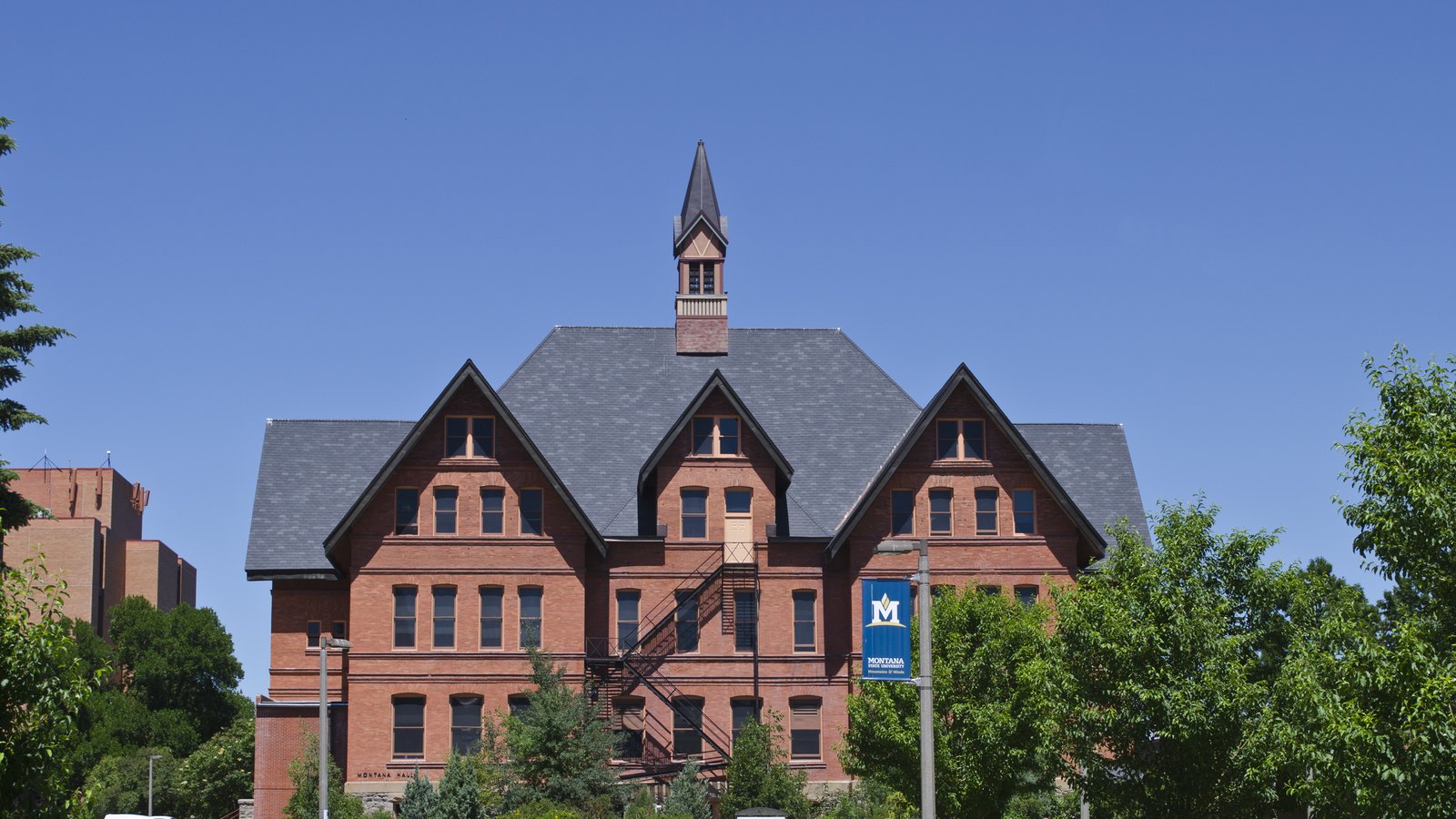
The 25-member Rural Health Transformation Program Stakeholder Advisory Committee has met at Montana State University in Bozeman, where members flagged maternal health as a priority, according to the Montana Statesman.
Tribal liaisons have met with tribal governments across Montana to discuss program opportunities and development of a Community Health Aide Program framework, Montana Politics and the Montana Statesman reported.
Year-two plans
The second year shifts into “operational expansion” across the state, Ebelt said. DPHHS Director Douglas Harrington said the larger award reflects first-year performance and a plan to help rural facilities modernize records, stabilize operations and expand access, including in tribal communities.
Year-two programming includes electronic health record modernization grants, expanded tribal health efforts, development of a Community Health Aide Program framework, and additional workforce training through programs such as Caring for Our Own, according to Montana Politics. DPHHS also added a home-visiting pilot for new and expecting parents after advisory committee members flagged maternal health.
The federal program provides $50 billion nationwide from federal fiscal year 2026 through 2030, with $10 billion available each year, the Montana Statesman reported.
Half of each year’s pool is divided equally among states with approved plans; the rest is allocated using factors such as rural population and the strength of a state’s proposal. CMS rules do not let states add or drop the five core initiatives — workforce, sustainable access, new care models, prevention, and technology — though they can shift money and timelines inside those buckets.
The application process for facilities seeking Center of Excellence work is scheduled to be announced by the end of 2026, Montana Politics reported. “Montanans should be able to get quality health care without leaving the communities they call home,” Gianforte said.
Related reading

Bright Mind Enrichment and Schooling Recruits Volunteers
Bright Mind Enrichment and Schooling, a San Francisco-based non-profit, is recruiting volunteers in Charleston, South Carolina, to support...
Harriet Amanda “Mandy” Beall Dies at 81 After 43 Years in Virginia Beach Apartment
Harriet Amanda "Mandy" Beall, 81, of Virginia Beach died suddenly on Oct. 23 after 43 years in the...

World Cup of Pool Returns to Orlando in April 2027 With Expanded 64-Team Format
The World Cup of Pool returns to the World Nineball Tour in April 2027 after a four-year absence...

EU Commits €20M to Expand Trade Corridor in Horn of Africa
The European Union committed €20 million on November 23 to a four-year trade programme spanning Ethiopia, Djibouti and...