
Montana Supreme Court Rejects Attorney General’s Supervisory Bid Over Gallatin County Attorney
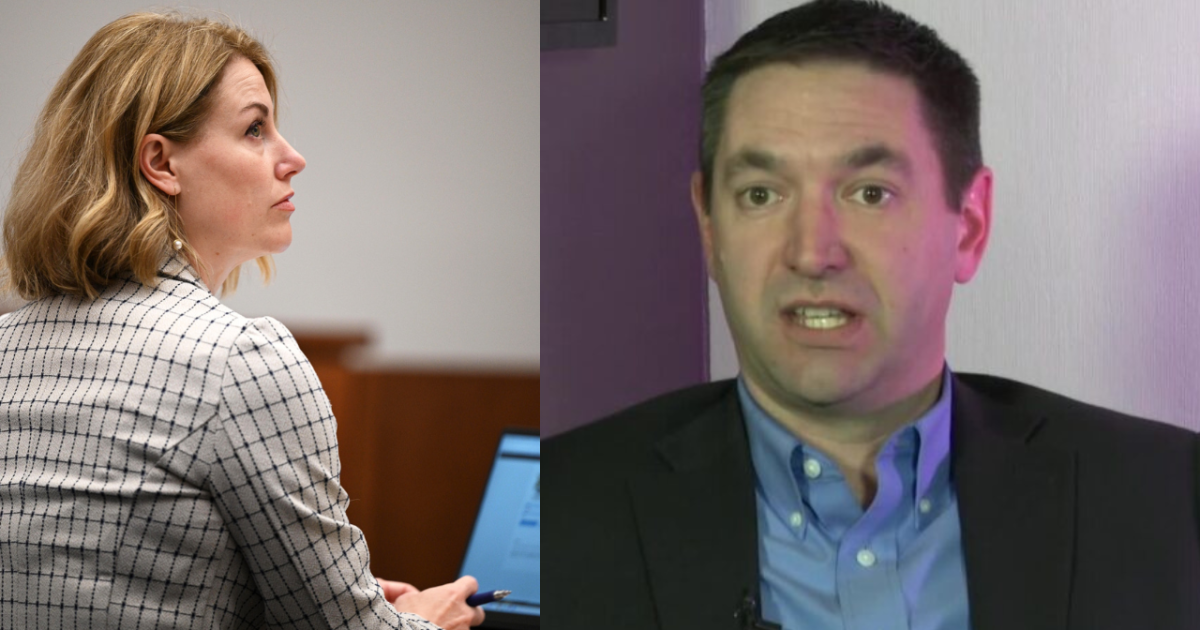
The Montana Supreme Court issued a unanimous ruling on Friday that effectively halts Attorney General Austin Knudsen’s attempt to assert direct control over the legal advice provided by Gallatin County Attorney Audrey Cromwell. The decision marks a development in a jurisdictional standoff between state and local government officials, centered on how much local authorities must cooperate with federal immigration enforcement.
The court granted Cromwell’s petition in part, affirming that her office has the standing to seek a legal ruling on the issue of sharing confidential criminal justice information with U.S. Immigration and Customs Enforcement (ICE). The justices determined that the Attorney General lacks the authority to dictate the legal counsel a county attorney provides to their own local subdivisions.
The Roots of the Conflict
The tension between the two offices dates back to October 2025, when Gallatin County records personnel requested guidance from Cromwell regarding an ICE request for confidential criminal justice information. While law enforcement agencies generally exchange such information with one another, the specific request in this case involved records that are not generally accessible to the public. Cromwell advised her staff that ICE was not entitled to access the information without a court order.

The situation escalated in April, when Attorney General Knudsen invoked his supervisory powers to command Cromwell to comply with the ICE request. Cromwell ultimately issued the memorandum required by the state, but she took the step of informing her staff that she could not “vouch for the accuracy of the legal analysis underlying the directive.” She subsequently filed a petition with the state Supreme Court, challenging both the legality of the ICE data access and the reach of the Attorney General’s oversight.
Limits of Executive Authority
In the court’s unanimous opinion, Justice James Shea clarified the distinct roles of state and local prosecutors. The ruling establishes that while the Attorney General holds supervisory power over a county attorney’s state-related duties—such as prosecuting criminal laws and on occasion instituting or defending a civil suit in the name of the state—that authority does not extend to the county attorney’s function as the legal advisor to the county and its subdivisions.
The AG does not have supervisory authority over a county attorney when the county attorney acts as legal advisor to the county and its subdivisions.
The court rejected arguments from the state that the dispute was merely an internal executive-branch matter beyond judicial review. By finding that Knudsen exceeded his authority, the court has rendered his order asserting control over the Gallatin County Attorney’s Office unenforceable. This decision reinforces the independence of county-level officials when they are acting in their capacity as legal counsel for local government entities.
The Pending Question on Data Access
While the court has settled the question of power, it has not yet ruled on the underlying issue that sparked the conflict: whether ICE is entitled to confidential criminal justice information under Montana law. The court has directed both parties to submit briefs by Dec. 7, 2026. These filings must address whether ICE qualifies as a “criminal justice agency” under Montana law and whether an agency with that designation is automatically entitled to confidential criminal justice information.
The outcome of this next phase will have implications for how local governments in Montana interact with federal immigration authorities. Until the December briefs are reviewed, the question of whether counties may provide the confidential information to ICE remains an unresolved matter of law.
Keep reading

Cohen Habben leads Albany to 42-35 comeback win over New London-Spicer
Albany’s Second-Half Surge Secures State Tournament Berth The Albany Huskies were staring down a 21-point deficit in the...
West 13th Street is a nightlife destination, an InsideHook worker argues
The West 13th Street Nightlife Concentration In an essay published by InsideHook, a nightlife industry worker argues that...
Compromised New Mexico State team grateful for Gonzaga opportunity: ‘It’s really hard to …
New Mexico State Finds a Rare Opening in Gonzaga’s Schedule Jason Hooten, in his fourth season as coach...

Trenton Ironhawks to Honor 2005 Titans Championship
The rafters at CURE Insurance Arena are set to gain a piece of local history tonight. As the...