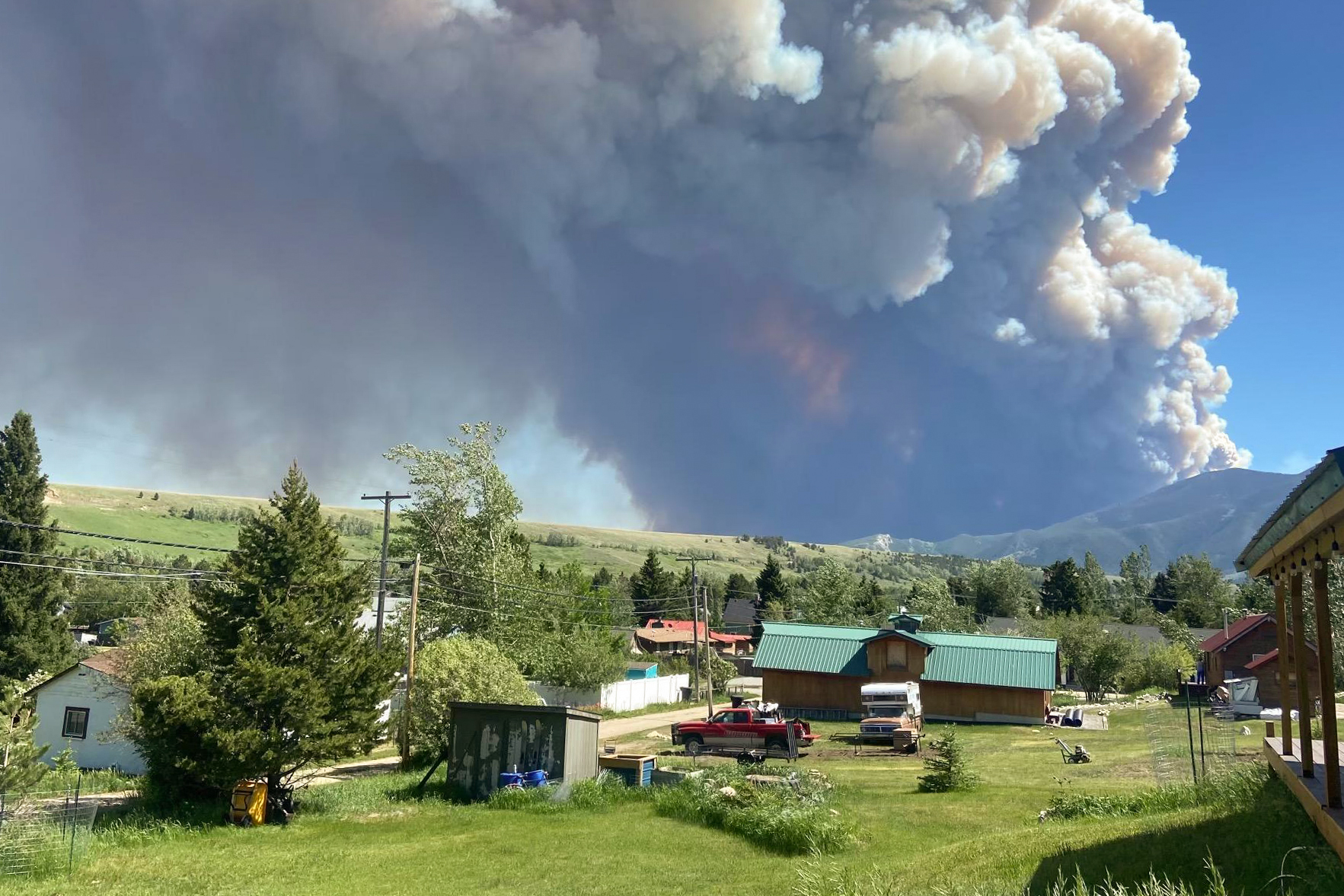
Wildfire risk across Montana is reshaping the state insurance market as climbing premiums and policy cancellations complicate property sales for home buyers.
About 70 percent of the acreage burned by wildfires in Montana since 1888 has burned since 2000, according to the state Legislature. Nearly two-thirds of homes sit within the Wildland-Urban Interface where residential development meets fire-prone forests and grasslands.
“We’re receiving more complaints from homeowners about wildfire insurance than almost any other issue,” James Brown told Inside Climate News. Brown serves as Montana’s elected state auditor and commissioner of securities and insurance.
Homeowners insurance premiums across Montana have risen roughly 40 percent since 2019, according to data from the American Property Casualty Insurance Association. A September report by the Montana Legislature’s Economic Affairs Interim Committee said that average premiums statewide increased by 10 percent between 2021 and 2024.
Real estate agents across western Montana report that obtaining homeowners insurance has shifted from a final closing step to an early contingency. Buyers now request quotes before finalizing purchase agreements.
“It’s no longer enough to find the perfect house,” said Mike Kent, president of the Bitterroot Board of Realtors. “Buyers first need to know whether they can insure it and whether they can afford that insurance.”
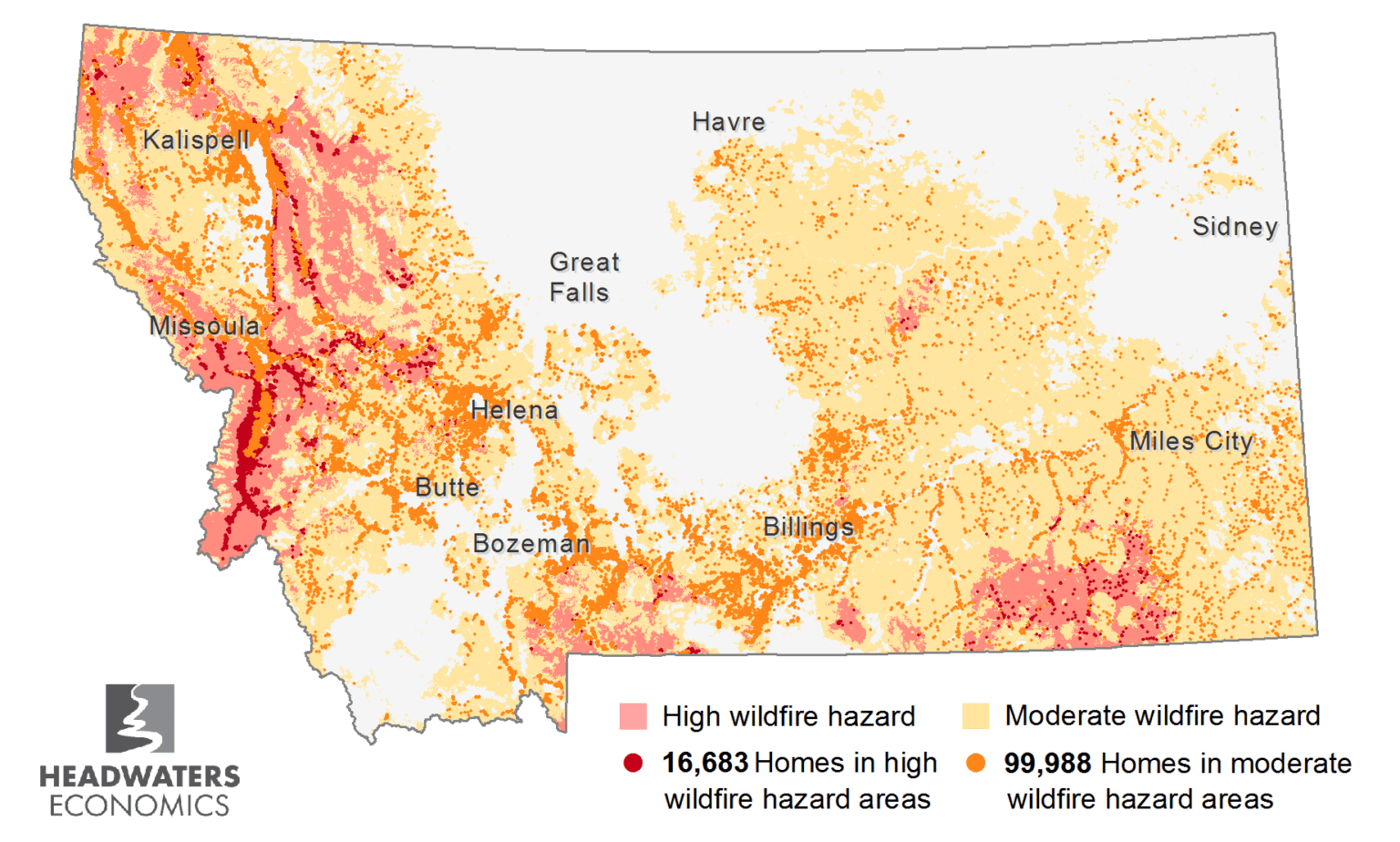
Higher insurance costs alter monthly loan qualifications. In Missoula, Mandy Snook has watched transactions collapse when wildfire risk pushed premiums beyond what buyers could pay.
Hannah Plumb, a 60-year-old resident of Whitefish, received a nonrenewal letter this summer from Amica after nearly 38 years as a customer. The company cited high wildfire risk in her area.
“I just got dropped out of the blue,” Plumb said.
She spoke with at least five insurers or brokers and faced requirements to remove trees within 10 feet of her buildings. She secured a new policy just one day before her previous coverage expired.
Amica said that it regularly evaluates wildfire risks and considers individual property circumstances. “We recognize that a decision not to renew coverage can be difficult, especially for customers who have been with Amica for many years,” said Stephanie Clemente, the company’s managing vice president of sales and client services.
Insurers evaluate properties using models that assess land slopes, vegetation density and surrounding environmental conditions. Higher construction costs, labor shortages and expensive reinsurance have also driven up pricing.
“The industry has become much more sophisticated in evaluating wildfire risk,” Brown said.
Keep reading

Retired USAF Captain Susie “Ann” Flythe Johnson Dies at 92
Captain Susie "Ann" Flythe Johnson, USAF (ret.), died at age 92 on Saturday while surrounded by her family....

Vikings 7-Point Home Favorites Over Falcons for Week 12
Minnesota is opening as a seven-point home favorite over Atlanta for Sunday's Week 12 matchup at U.S. Bank...

Two Killed in Indianapolis Drive-By Shooting on North Grant Avenue
Two families are grieving ahead of Thanksgiving after an Indianapolis east side drive-by shooting on North Grant Avenue...

Alpine Mayor Pulls Missouri Driver From Muddy Palisades Reservoir Bed
"It's normally not the mayor that does these things, but I'm one of many people in the neighborhood...