
A record 7.4 million Texans cast their ballots early in the 2026 midterm election, pushing preliminary turnout to roughly 40% and matching the modern-day high-water mark set during the closely watched 2018 contest, according to preliminary records from the secretary of state’s office published by The Texas Tribune.
The numbers cap an intense in-person early voting period that closed Friday, setting the stage for Election Day on Tuesday. More than 19 million Texans are currently registered to vote, reflecting a 2.2% increase compared to the voter rolls leading into the November 2024 presidential election. While the current early participation rate falls well short of the 9 million early votes and 49% turnout recorded during the 2024 general election, it easily eclipses the 5.5 million early voters and 31% turnout seen in the 2022 midterm.
High-Stakes Statewide Ballots Driving Engagement
The heavy early turnout is fueled by several high-profile matchups that have drawn national attention and fierce local campaigning. State Rep. James Talarico, an Austin Democrat, and Attorney General Ken Paxton, a McKinney Republican, are locked in a competitive race for a U.S. Senate seat. Simultaneously, state Rep. Gina Hinojosa, an Austin Democrat, is challenging Republican Gov. Greg Abbott as he seeks a historic fourth term in office.
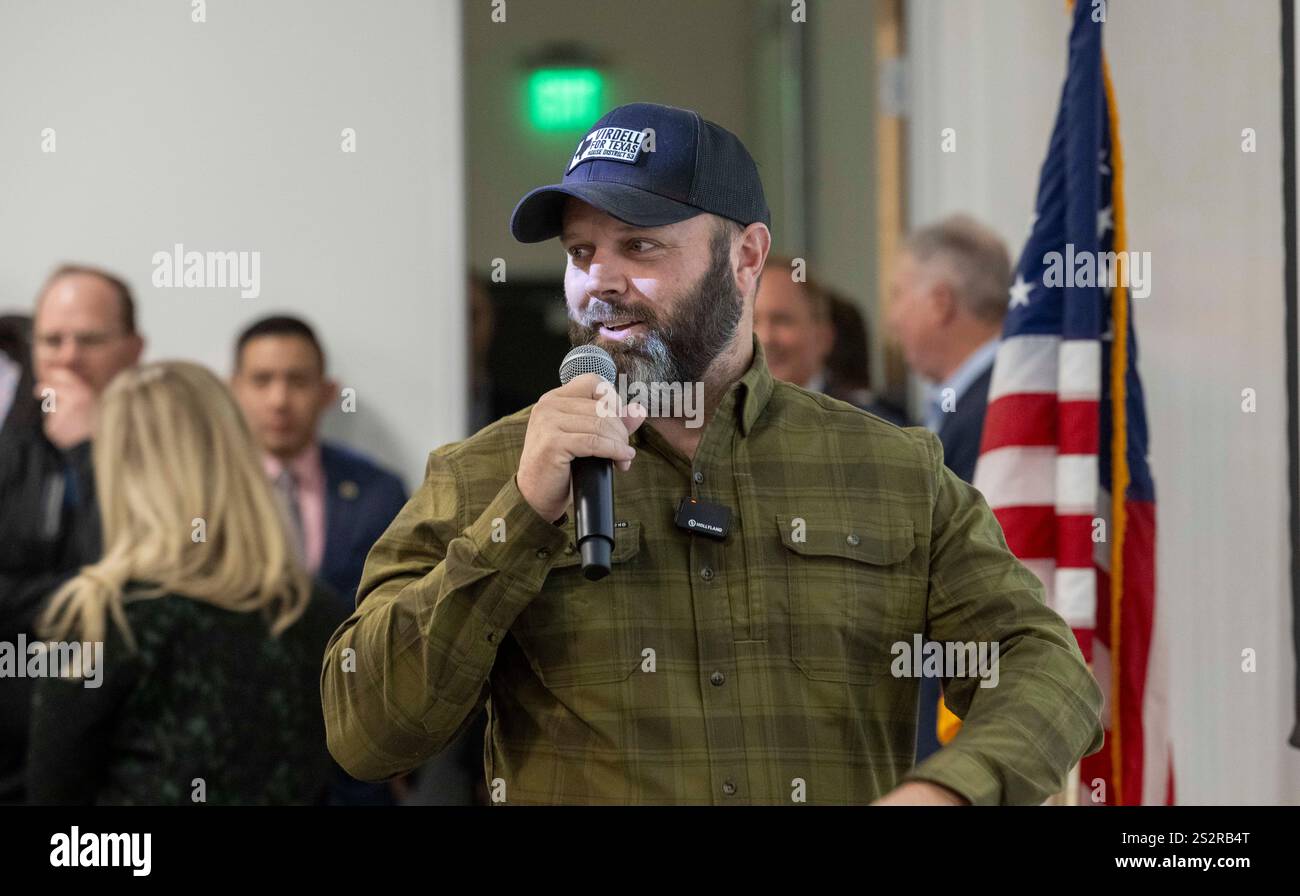
These contests have transformed what is typically a lower-turnout midterm cycle into a high-engagement event. Yet political scientists point out that the sheer volume of early ballots leaves critical questions unanswered about the final electorate composition.
“We’re not going to hit presidential levels, but this is definitely high turnout,” said Mark Jones, a political science professor at Rice University. “The question that is still out there is, and this happens every time that we try to interpret early voting numbers: How many votes are actually still out there?”
Urban Cores and the Demographic Puzzle
Turnout data posted Saturday remains preliminary and incomplete as individual counties process and report their figures at varying speeds, alongside incoming mail-in ballots. Earlier in the week, the pace slightly lagged behind the historic 2018 showdown where U.S. Rep. Beto O’Rourke challenged U.S. Sen. Ted Cruz, though a late surge shifted the trajectory.
Democratic strategist Matt Angle noted that the final push of voters likely indicates heightened participation among Black and Hispanic residents. However, analysts caution against translating demographic shifts into definitive election outcomes.
“That doesn’t mean Democrats are going to win, Republicans are going to lose,” Angle said. “That’s a big mistake to make those assumptions, but it shows that the structure of the electorate is such that Democrats have a chance to win.”
Preliminary reporting highlights rising turnout rates across the state’s most populous urban and suburban counties, including Harris, Dallas, and Tarrant. These regions traditionally feature more diverse voter populations where Democratic candidates historically find firmer footing. Whether those margins will hold or be balanced by traditional Election Day voting patterns remains the central unknown as polls prepare to open on Tuesday.
Keep reading

Mississippi State football injury list unlike anything Jeff Lebby has seen in his career
Mississippi State Faces an Unprecedented Medical Toll After a 31-3 Loss in Austin The numbers rolling out of...

In Conversation with Dr. Clemon Dabney – Mpls.St.Paul Magazine
From Genome Mapping to Retail Shelves: Inside Dr. Clemon Dabney’s Cannabis Enterprise In a detailed profile published by...

A Natural Home”: General Motors Soars 15% in a Week on Its Nasdaq Switch and Hybrid Pivot
General Motors Surges 15 Percent on Nasdaq Migration and Hybrid Strategy Shift General Motors stock surged 15 percent...

Baltimore Ravens vs. Buffalo Bills: How to watch today, start time, where to stream and more
Baltimore Ravens at Buffalo Bills: Week 8 Kick-Off Time, TV Channel, Streaming Options, and Team News The Buffalo...