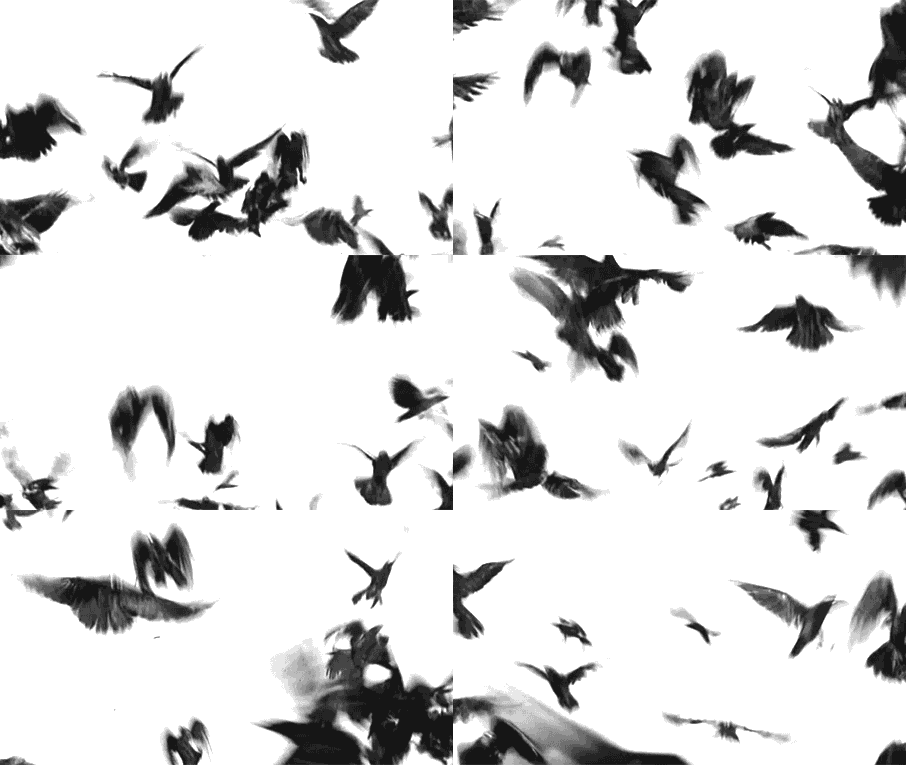
“As a result of daughter Morgan Carpenter’s murder, I no longer have the desire to shoot a crow,” the Albany mother wrote in the Albany Herald, using the collective noun for the six crows her daughter has befriended to explain why she will sit out this year’s hunt.
Georgia’s 2026-2027 crow season opens Saturday, November 7, and runs through February 28 with no bag limit on the birds, a regulatory gap that usually draws hunters to the fields but will leave this one conflicted woman at home.
From Parking Lot to Office Window
The bond began a few months ago when Morgan Carpenter noticed a crow perched on a light post near her office parking lot. “I had noticed a couple of crows hanging around, and I always liked and admired crows,” she told the Albany Herald. She whistled to catch his attention and tossed a few kernels of the popcorn she was eating, and the bird began flying down each time she pulled into the lot.
Within weeks, the crow was boldly approaching her office window, tapping on the glass when she was slow to bring treats. His mate joined, then two fledglings from the previous year, swelling the group to six birds that Carpenter now calls “Morgan’s Murder,” a name rooted in folklore where crows were once seen as agents of death yet paradoxically symbolize rebirth, loyalty, and intelligence.

No Limit on a Federally Protected Bird
In the late 1980s, pecan grower Bubba Pippin hired professional crow hunter Jerry Tomlin after estimating that a single crow could eat up to seven pounds of pecans a day. Tomlin, who started shooting crows in his uncle’s orchards at age 12 and is credited with killing 137 in one day, trained local hunters in blind construction and decoy placement.
“It has been proved time and time again that crows are poor mathematicians,” The New Hunter’s Encyclopedia wrote fifty years ago, describing how birds return to fields after one hunter leaves a blind, failing to count those who remain hidden.
Modern hunting of crows requires skill comparable to long-range prairie dog shooting, with hunters using small-caliber rifles and shotguns to pick off birds feeding in open fields. Tomlin even offered crow jerky recipes to those waiting in blinds, embracing a field-to-table ethos despite two intense days in southwest Georgia where no shots were fired because the crows recognized him.
Faces in the Murder
Crows can recognize individual human faces, differentiating between threats and friends, and they teach their offspring whom to trust—a trait visible in Carpenter’s growing murder. When she travels, she leaves treats for co-workers to distribute; strangers approaching the sidewalk trigger alarm calls, but the regulars are welcomed.
Carpenter noted that they definitely recognize her and her vehicle. She has a whistle, and if they are close enough she can whistle and sometimes they will come. They also have started recognizing co-workers. When she goes out of town she leaves treats for them for someone else to give. When a stranger walks up the sidewalk, they’ll sound an alarm at them. But they know the regulars.
The crows have left gifts on her windowsill: a piece of turtle shell, interesting rocks, a rhinestone, and once regurgitated crop pellets, which she cleans up without keeping.
Voices of the Community
Crows possess more than 250 vocalizations and maintain regional dialects specific to their own communities. Carpenter said she has started to learn their calls and their behaviors and what they’re trying to communicate. Sometimes she’ll go a week without seeing them at all. But it’s the same ones, and they have their own routines. The first one that appeared is always the boldest and now comes up to her window.
Ecologically, the birds serve as omnivorous scavengers consuming insects, seeds, small mammals, and carrion, supporting welfare through seed dispersal. While some Georgians still view them as nest predators deserving eradication, others see them as loyal companions. For those hoping to attract similar visitors, experts recommend offering unsalted nuts, meat scraps, or fruits in small portions at the same time and location daily, while avoiding chocolate, avocado, and high-salt treats. Carpenter said she does not think of them as her little murder of crows. She is just the crazy aunt that throws out treats. She does think the office thinks she’s the crazy crow lady. But they also think they’re cool, too.
Worth a look

NY Appeals Court Clears Way for Mayor Mamdani’s Pied-à-Terre Tax
An appeals court in Brooklyn ruled Wednesday in favor of New York City Mayor Zohran Mamdani’s pied-à-terre tax,...

Santa Fe College Unveils expanded LeMoyne Veterans Center
"Our veterans deserve a premier space on this campus, and they deserve a space where they can gather,...
Ohio State men’s soccer Beats Michigan 1-0
Ohio State beat Michigan 1-0 in men's soccer on November 4, 2026, with Nyle Waugh scoring the only...

NAIA Approves Fifth Year of Student-Athlete Eligibility Starting Fall 2027
KANSAS CITY, Mo. — The National Association of Intercollegiate Athletics has thrown out its four-year eligibility cap and...