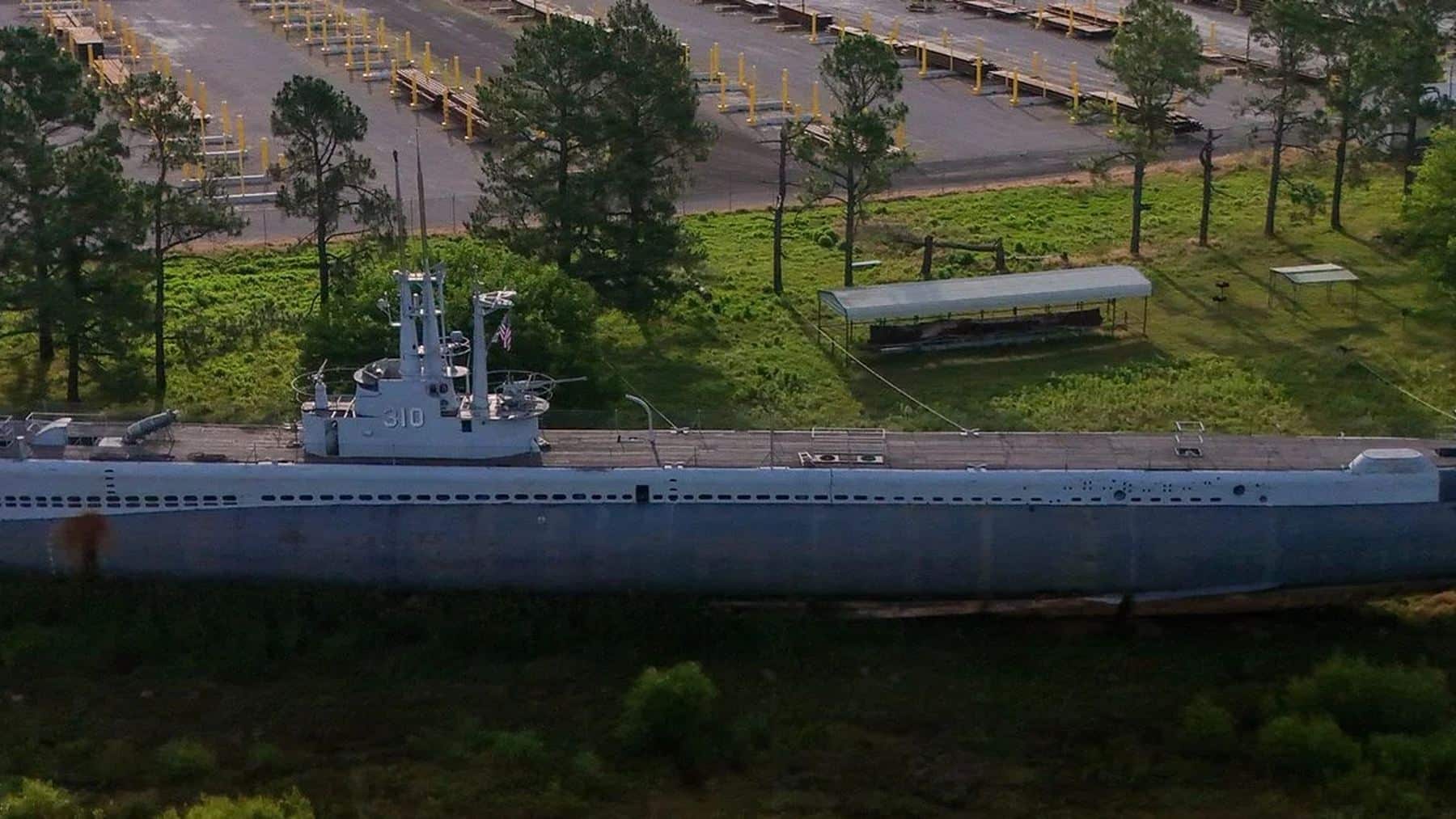
The USS Batfish, a 3.2-million-pound World War II Balao-class submarine, is facing an uncertain future on the banks of the Arkansas River. After decades of serving as a landmark in Muskogee, Oklahoma, the vessel is being forced to move due to a combination of rising floodwaters, shifting river channels, and an impending flood-control project that will occupy her current site. According to reporting from autonocion.com, the Muskogee War Memorial Authority announced on Sept. 16 that it has secured approximately $7 million to begin the process of determining the actual cost of relocating the historic vessel.
This isn’t just a matter of moving a heavy object; it is a complex engineering nightmare involving a ship that is currently sitting on land rather than in the water. The Batfish, famous for sinking three Japanese submarines in February 1945, has a complicated relationship with the Arkansas River. She arrived in Muskogee in May 1972 after the Army Corps of Engineers had to drop the river level by 3 feet just to get her under a bridge at Little Rock. By March 1973, a flood had caused her to strain against her moorings so violently that the Oklahoma tourism commission reportedly attempted to return her to the Navy.
The situation has only grown more precarious since the 2019 flood. During that event, the river rose to 520 feet, providing enough water for the submarine to float. Because much of her lead ballast had been removed over the years, she lifted off her moorings and drifted between 50 and 75 feet before settling on a slope as the water receded. Volunteers eventually secured the massive boat to pine trees, but the new location proved unstable. By January 2021, a scour hole—a void created by moving water washing away the ground—left nearly a third of her forward section resting on less than 18 inches of dirt.
The massive gap between current funding and projected costs
While the Muskogee War Memorial Authority has a significant sum of money on hand, the math suggests a looming deficit. Chairman James Gulley noted during the September meeting that the authority must now seek bids to determine if more funding is required.

The discrepancy between the available cash and the estimated requirements is stark:
| Project Scope | Estimated Cost |
|---|---|
| Overland transport (lifting, hauling, road repairs, and foundation) | $9.95 million |
| Channel work (ramps, barges, and the haul to Three Forks) | $9.75 million |
| Full relocation to one of three harbor sites (including design and management) | $19.55 million – $21.55 million |
| Total estimated cost including 30% contingency and new museum | $25.4 million – $28 million |
Even if the authority opts for a simpler overland move, the logistics are staggering. To move the Batfish, engineers are looking at a multi-axle trailer with custom cradles capable of supporting at least 110,000 pounds per axle. For context, a standard fully loaded 18-wheeler typically tops out at 80,000 pounds for the entire vehicle.
Why the Batfish cannot stay put
The decision to move the submarine is not optional. The Muskogee War Memorial Authority is facing a “squeeze” from multiple directions. The Army Corps of Engineers has committed to building a new levee on the park’s land, and new port security regulations would effectively wall off the museum from the public. Furthermore, the submarine’s lease on her current land has expired. Moving her to Three Forks Harbor is the intended goal, but the terrain has changed significantly since her 1972 arrival. The navigation channel has been realigned, and the stretch of river that once connected her to the main channel has largely filled with silt.
“Raise it up, put it on a trailer, float it down the Arkansas River.”
That summary from Chairman Gulley captures the intent, but it ignores the technical hurdles of digging a 16-foot-deep, 2,000-foot-long trench through ground flagged as archaeologically sensitive. The economic stakes are also high for the local community. The museum has seen a devastating drop in engagement; Gulley told News On 6 that annual visitors plummeted from approximately 50,000 to just 500 following the 2019 flood.
As the authority moves forward with BKL Engineers to find a project manager, the next major hurdle will be the public bidding process. Until those bids are released, the exact method of transport—and the final price tag—remains a matter of speculation.
Keep reading

A new holiday experience is coming to Salt Lake City – KUTV
Magical Lantern Nights Brings Massive Illuminated Displays to the Utah State Fairgrounds Utah's winter holiday calendar is adding...

Austin Championship Field Announced: Smotherman Leads
Austin Championship Arrives in Texas Hill Country with Tour Cards and Signatures on the Line Time is running...

Nashville Health Officials Confirm Second Measles Case and Identify 7 Exposure Locations
Nashville Confirms Second Measles Case of 2026 as Officials Track Seven Exposure Sites Nashville health authorities have confirmed...

Omaha rallies past Tri-City 8-5 and Waterloo wins 5-1 over Lincoln
Omaha Rallies Past Tri-City in 13-Goal USHL Shootout The Omaha Lancers erased a two-goal deficit with a pair...